
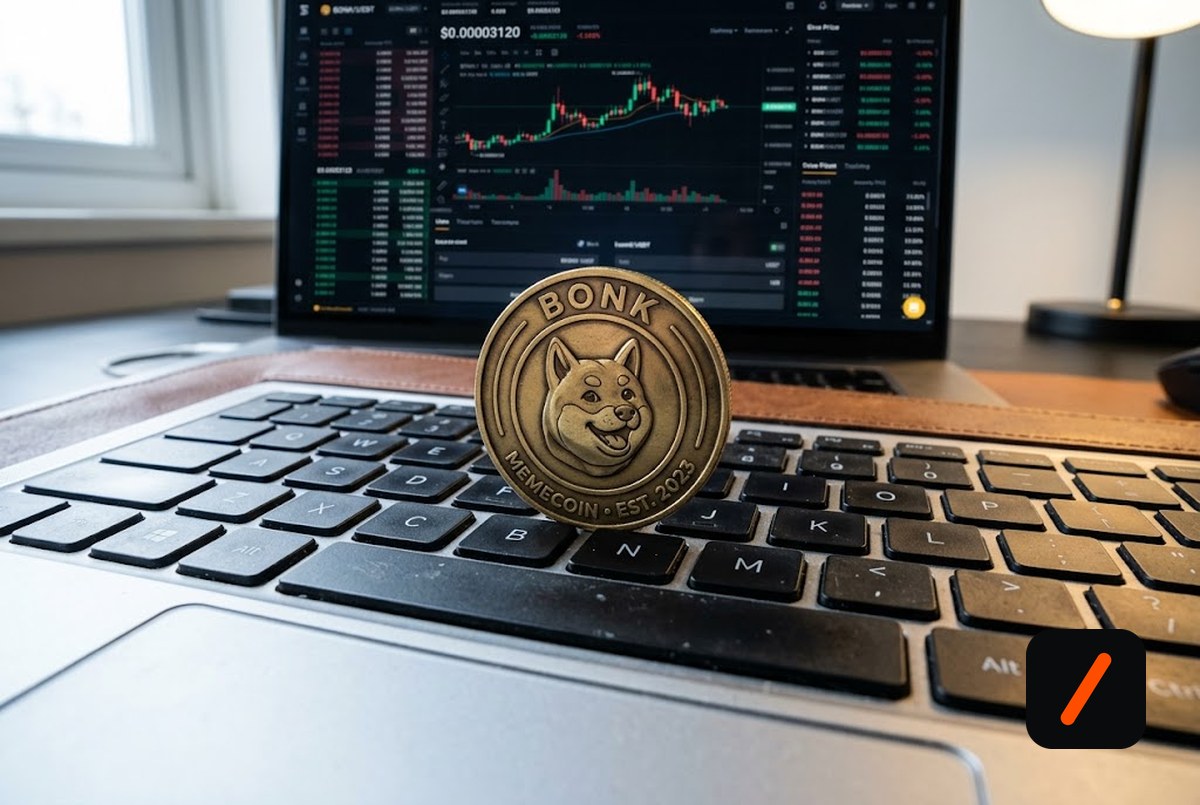
Roughly $20 million was drained from BonkDAO's treasury after attackers steered a governance vote in their favor, turning the DAO's own rules into the attack surface. There was no smart-contract exploit in the classic sense: the treasury moved because the votes said it could. That is the uncomfortable heart of this incident, and of on-chain governance generally. Our take: memecoin treasuries have grown large enough to be worth attacking, but their governance has not matured to match, and BonkDAO is the case study in what happens when voting power is cheaper to acquire than the treasury it controls.
- An estimated $20M left BonkDAO's treasury via a passed governance vote, not a code exploit.
- The attack shows how DAO treasuries can be raided legitimately if attackers control enough voting power.
- It lands during a Solana memecoin revival, where treasuries have swelled but governance safeguards lag.
- The defense is procedural: timelocks, quorums and multisig guards, not just audited contracts.
What happened to BonkDAO?
BonkDAO, the governance body tied to the Bonk memecoin ecosystem, saw an estimated $20 million exit its treasury after a vote authorized the movement of funds. The mechanics matter: the treasury contract did what it was designed to do, executing a proposal that passed. The failure was in governance design, whether through concentrated token holdings, low turnout, or a proposal that slipped through without enough scrutiny. The result is the same as a hack from the treasury's perspective, but the path was entirely on-chain and rule-following.
RelatedBrett Rides Base Momentum: B20 Standard and x402 in Focus
Why is a legal drain scarier than an exploit?
Because you cannot patch it with a code fix. A smart-contract bug can be found, audited and closed. A governance attack exploits the intended behavior of the system: whoever controls the votes controls the money. When voting power is a token that anyone can buy or borrow, and when a treasury is worth tens of millions, the incentive to accumulate votes and drain the pot is obvious. Auditors who only check the code will pass a system that is wide open at the governance layer.
What is the mechanism most coverage skips?
The economics of vote acquisition. A governance attack is profitable when the cost of acquiring enough voting power is less than the treasury it unlocks. Flash loans, low quorums, and thinly traded governance tokens all lower that cost. The defenses are procedural, not cryptographic: timelocks that delay execution long enough for the community to react, quorum thresholds that make capture expensive, and multisig or council guards that sit between a passed vote and an actual transfer. BonkDAO's loss suggests one or more of those guards was missing or too weak.
Who is exposed?
Every DAO with a treasury and a liquid governance token, which now includes a growing list of memecoin communities. The Solana memecoin revival has pushed real money into these treasuries, with the sector's market cap climbing back through the year, and that makes them targets. The projects most at risk are the ones that copied a governance template without hardening it, treating decentralization as a marketing feature rather than a security model.
RelatedMemecoin vs utility token: what’s the difference?
What should DAOs do now?
Treat governance as an attack surface with the same seriousness as smart-contract code. That means execution timelocks, meaningful quorum requirements, guardian multisigs that can veto or delay a malicious proposal, and monitoring for sudden accumulation of voting power. The uncomfortable truth is that fully permissionless governance and a large treasury are in tension, and most projects will need to add friction to survive.
What does this mean for the memecoin revival?
The timing is pointed. Solana memecoins are in the middle of a genuine revival, with the sector's market cap climbing back toward multi-billion-dollar territory and daily volume up sharply, and that success is exactly what made BonkDAO's treasury worth attacking. Bull markets inflate treasuries faster than communities harden the governance that guards them, and the result is a growing pile of money sitting behind rules that were written for a smaller, friendlier era. The uncomfortable implication is that the more successful a memecoin community becomes, the bigger a target its treasury is, and the governance token that gives holders a voice is also the attack vector. Expect a wave of retrofitted safeguards, timelocks, guardian multisigs, higher quorums, across the larger memecoin DAOs, because the alternative is watching a bull-market treasury vanish through a vote nobody was watching closely enough. The projects that treat governance security as seriously as smart-contract audits will be the ones still standing when the cycle turns. And for holders, the lesson is to look past the meme and ask a boring question before aping in: who controls the votes, and what stops them from voting the treasury into their own wallet.
- Copycat votes. A demonstrated technique invites imitators against other under-guarded treasuries.
- Governance hardening. Expect timelocks and guardian councils to become standard for memecoin DAOs.
- Token concentration. Watch how much voting power sits in few hands; that is the risk gauge.
- ReferenceCoinDesk coverage of the BonkDAO treasury incident incident reporting
- ReferenceDefiLlama treasury and governance data on-chain data
Original analysis by GenZTech. Primary source: CoinDesk.