What Is DePIN?.
DePIN stands for Decentralized Physical Infrastructure Networks: crypto networks that pay people in tokens to build and run real-world hardware, instead of one company funding all of it up front. Contributors supply the physical layer, wireless hotspots, GPUs, hard drives, dashcams, solar capacity, and earn tokens for verified work. The network gets coverage without the capital expenditure, and the operators own a piece of what they helped build.
The idea borrows the economics that got Uber cars on the road and Airbnb rooms online, and applies them to infrastructure that normally requires a balance sheet: cell towers, data centers, mapping fleets. Where a telecom spends billions on towers before serving a customer, a DePIN issues tokens to whoever installs a hotspot in their window, and lets demand catch up afterwards.
That trade has a real cost. Token rewards are a subsidy, and a network only becomes a business when paying customers replace the subsidy with actual revenue. Most DePINs are not there yet. The interesting question for any given network is not how much hardware it has attracted, but what share of contributor income now comes from people buying the service rather than from token emissions.
This series covers what DePIN is, how the rewards and verification actually work, the networks worth understanding, and where the model is under real strain.
The DePIN series
Twelve explainers, in the order they make sense. Start at the top if the term is new to you.
- What DePIN is, and the bet it makes on real-world hardware
- How DePIN tokenomics work: where the rewards come from
- Proof of Physical Work: how a network verifies real hardware
- Helium: the crowd-built wireless network, explained
- Filecoin and the case for decentralized storage
- Decentralized GPU compute: renting the world's idle chips
- Hivemapper: mapping the world with dashcams
- DIMO and the question of who owns your car's data
- Energy DePIN: crowdsourcing the power grid
- DePIN vs Big Cloud: can crowds actually beat AWS?
- DePIN's real revenue: what the on-chain numbers show
- The subsidy problem: when token rewards outrun demand
Latest DePIN coverage
 DePIN
DePIN
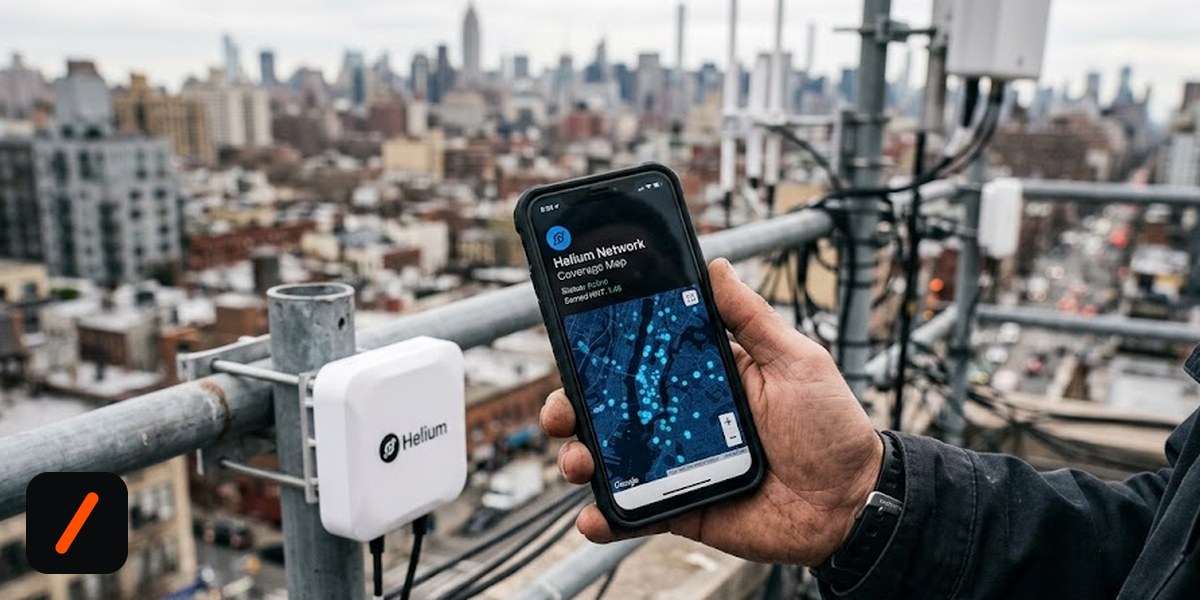
Helium Ships HeliumOS, Turning Its Network Into a Product
Helium launched HeliumOS on September 1, 2026, a BSS/OSS and Wi-Fi offload platform that lets carriers, MVNOs, and venue operators run a connectivity business on top of Helium's decentralized hotspot network, with Affiniti Ventures as the first live customer.
 DePIN
DePIN
Nodle Turns Idle Phones Into a Bluetooth DePIN
Nodle builds a decentralized IoT network out of software running on ordinary smartphones, using Bluetooth Low Energy and a Proof of Connectivity algorithm instead of dedicated hardware. It cites nearly a million active devices, a 40% recovery rate and 9 million euros of demonstrated value recovery in France.
 DePIN
DePIN
375ai's DePIN Engine: Proof of Data and the $EAT Burn Loop
375ai runs its physical-world sensing network as a Solana DePIN: contributors earn $EAT for verified data, a Proof of Data check plus device attestation filters out fakes, and data buyers pay fiat for credits that buy and burn $EAT, tying token supply to real revenue instead of pure emissions.
 DePIN
DePIN
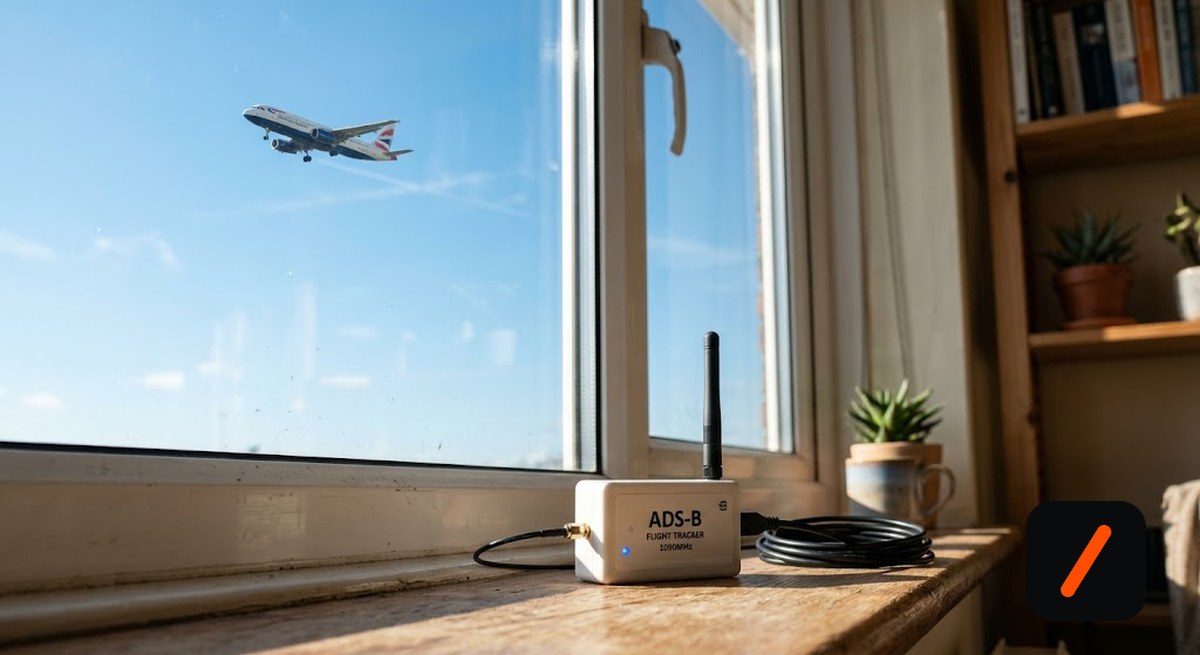
Wingbits Turns Flight Tracking Into a Solana DePIN Network
Wingbits pays WINGS tokens to people who install an antenna and share live ADS-B flight data, building a decentralized aviation-tracking network on Solana that reached 2,100 stations and 120,000 flights a day on testnet before its April token launch.
 DePIN
DePIN
Silencio Turns Idle Phones Into a Global Noise Sensor Net
Silencio's new Passive Measurement feature lets ordinary smartphones collect noise-pollution data while idle and reward users with SLC tokens, turning millions of phones into a decentralized global sensor network and testing whether DePIN can scale on hardware people already own.
 DePIN
DePIN
IoTeX Bets 40M Devices on a DePIN-AI Data Layer
IoTeX is positioning its 40 million connected devices as a data layer for AI, pairing DePIN hardware with modular infrastructure and a 0G partnership to turn real-world sensor data into a training and inference resource.
 DePIN
DePIN
DAWN Wants to Be the Solar Panel of Internet Access
DAWN, a Solana-based DePIN backed by $48.5M from Polychain and Dragonfly, wants to let people own and resell their own internet the way rooftop solar upended electricity, with a token generation event expected around mid-2026.
 DePIN
DePIN
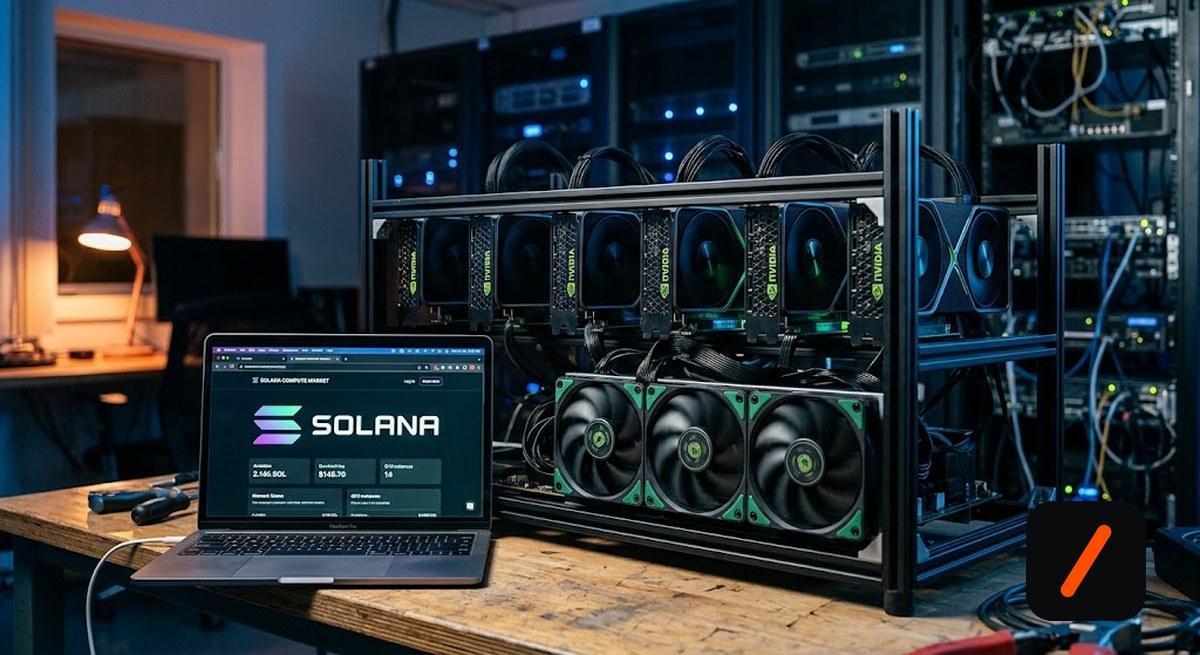
Grass Hits 2.5M Nodes Selling Bandwidth for AI Web Data
Grass, the Solana-based DePIN that pays people to share unused bandwidth so AI labs can scrape the open web through real residential connections, has reached 2.5 million nodes across 190 countries, backed by a ZK proof-of-data-integrity layer.
 DePIN
DePIN
Nosana Rides AI GPU Demand With Solana Compute Network
Nosana, a Solana-based decentralized GPU compute network, is riding the AI compute crunch with its token up sharply, positioning cheap distributed GPUs as an answer to demand that centralized clouds cannot scale fast enough to meet.
 DePIN
DePIN
NATIX Adopts peaq IDs and Ties Up With DIMO for Mapping
NATIX, an AI-powered street-mapping DePIN with over 94,000 drivers and 29 million kilometers mapped, is putting peaq machine IDs into its Drive& app and partnering with connected-vehicle network DIMO, a quiet but telling step toward a shared identity layer for mobility DePINs.
 DePIN
DePIN
WeatherXM Is Building a Weather Network You Own
WeatherXM runs a community-owned weather network of over 7,000 member-installed stations, using token incentives to build dense, hyper-local data coverage that centralized providers cannot match.
 DePIN
DePIN
Grass Opens a 170M-Token Season 2 Airdrop to Nodes
Grass, the Solana DePIN that pays users to share bandwidth for AI data collection, is distributing about 170M GRASS in a Season 2 airdrop with claims opening July 22, alongside a new native wallet.
 DePIN
DePIN
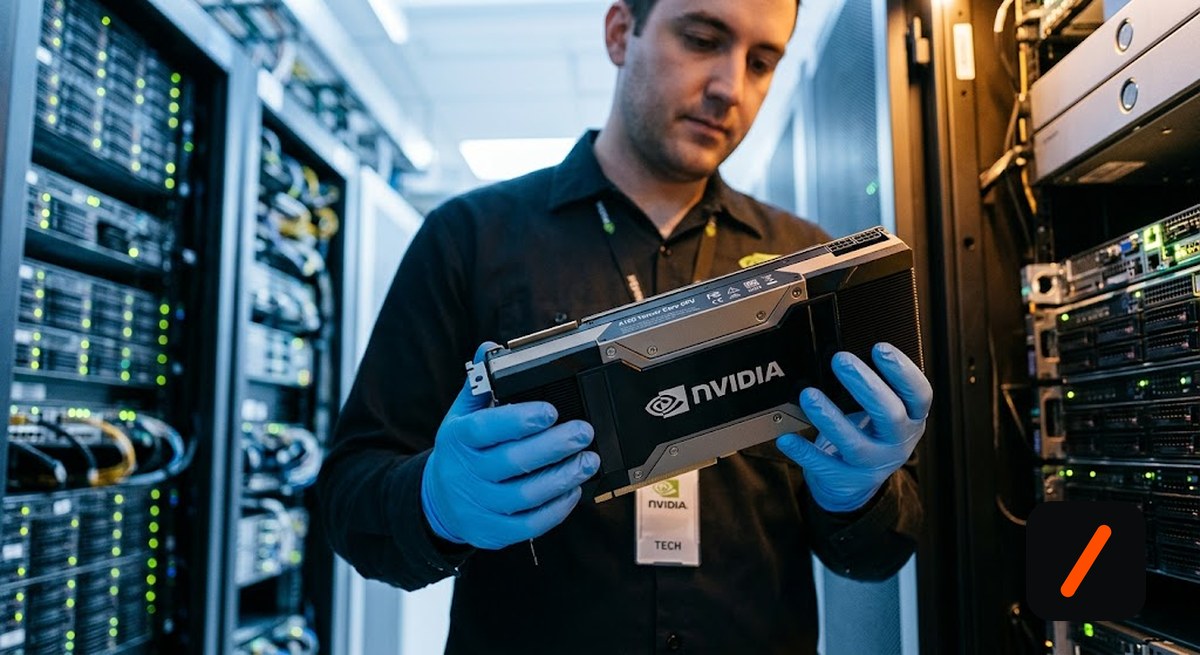
A Nasdaq biotech just put $344M into a DePIN token
Nasdaq-listed Predictive Oncology built a $344.4M digital-asset treasury entirely in Aethir's ATH token, the first time a US public company has added a DePIN token to its balance sheet.
 DePIN
DePIN
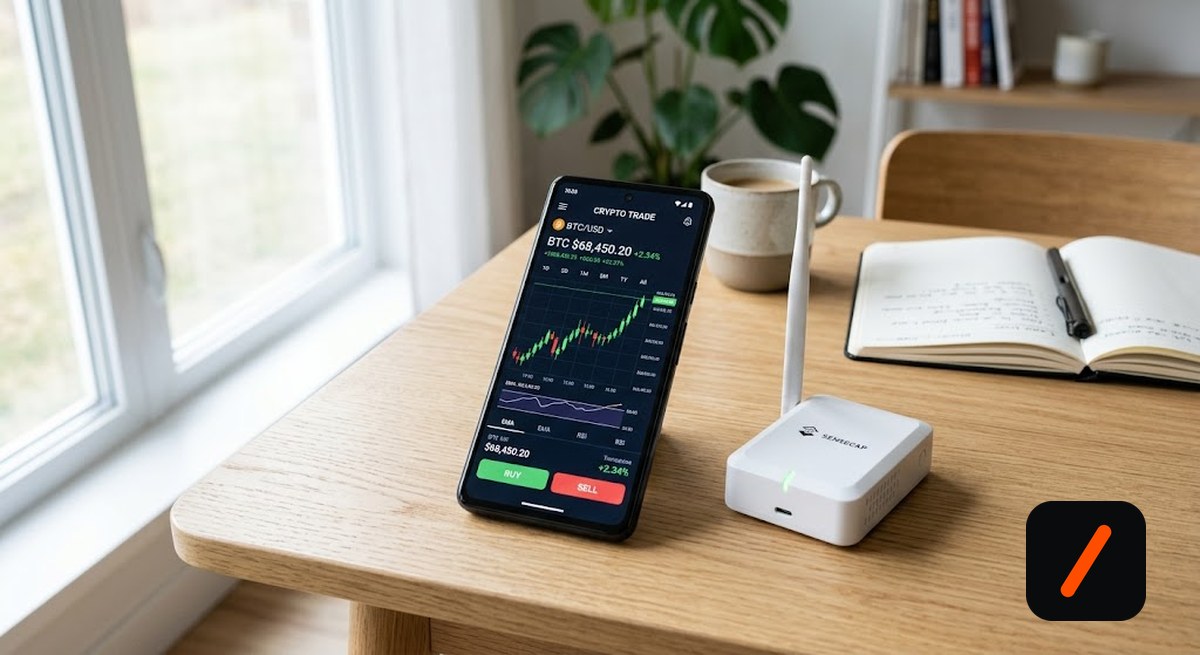
Akash adds Nvidia B200 and H200 to its GPU marketplace
Akash Network expanded its decentralized GPU marketplace to Nvidia B200 and H200 accelerators and reports utilization near 80%, positioning the DePIN as a lower-cost venue for real AI compute demand.
 DePIN
DePIN
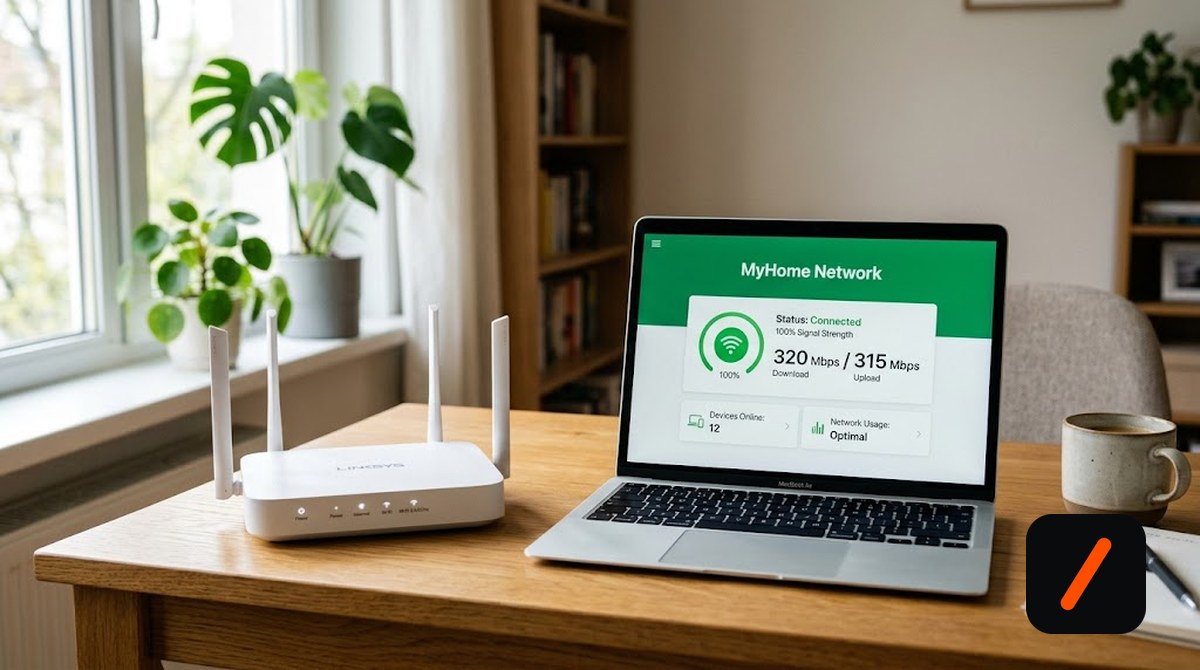
Helium lists on Binance as founder Haleem steps down
Binance listed Helium's HNT token for spot trading on July 9, a liquidity boost that landed the same week founder Amir Haleem stepped down as CEO of Nova Labs after HNT fell roughly 96% over five years.
 DePIN
DePIN
Grass Ships a Wallet and a 170M-Token Season 2 Airdrop
Grass, the DePIN network that pays users to share unused bandwidth so AI labs can scrape the open web, is rolling out a native wallet and a Season 2 airdrop of roughly 170 million GRASS. The rewards are real, but distributing 17% of supply is a serious dilution test.
 DePIN
DePIN
io.net ties token emissions to real GPU demand
io.net's Incentive Dynamic Engine, live since June 11, rebuilds the decentralized GPU network's tokenomics so emissions rise and fall with real network demand, aiming to cut circulating supply by up to 50% and end the era of paying providers with inflation.
 DePIN
DePIN
Hivemapper Ditches $589 Cams for a $19 Dashcam Plan
Hivemapper switched from selling $589 mapping dashcams to a $19-a-month subscription, lowering the barrier to join its decentralized map network, which has already imaged over 25% of the world's roads and supplies data to VW and Lyft.
 DePIN
DePIN
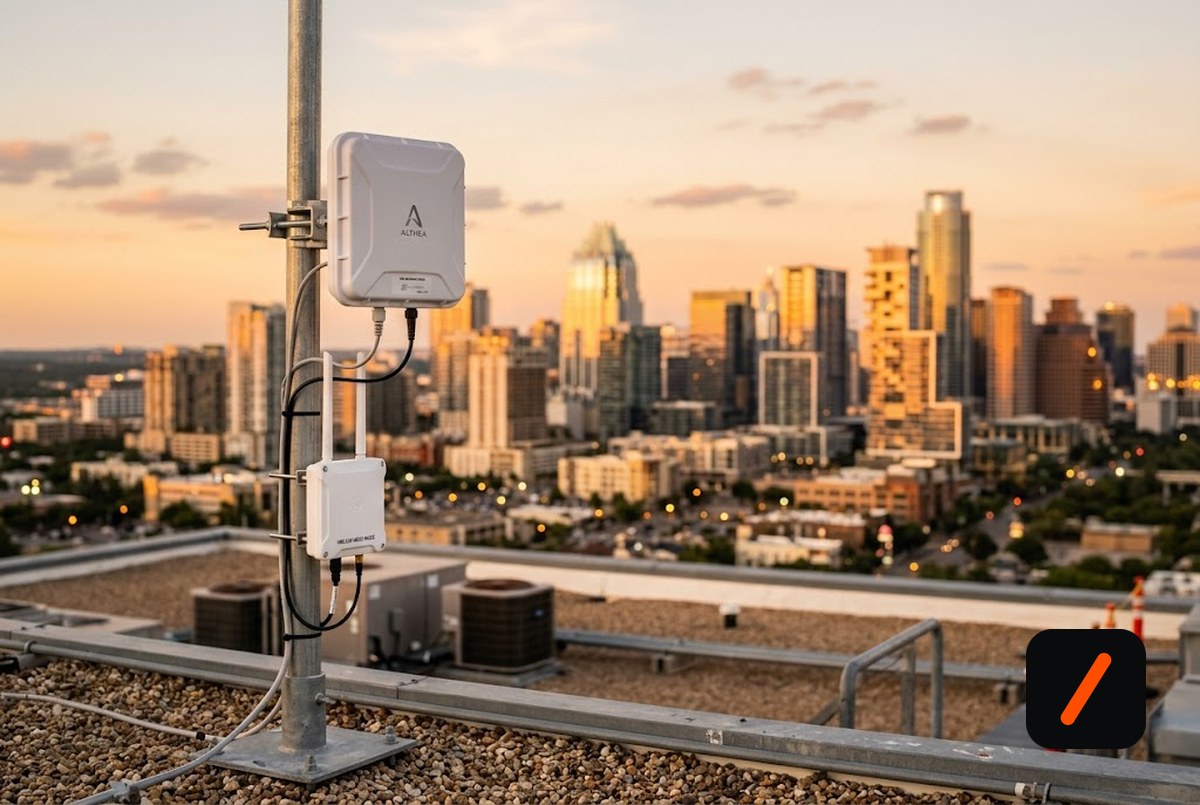
Helium's Carrier Pivot Hits 2.5M Users and 7 Networks
Helium's shift from IoT to mobile has found real product-market fit: daily active users climbed toward 2.5 million, seven carriers now offload data through its hotspots, and offloading can run up to 80% cheaper than roaming.
 DePIN
DePIN
DePIN's real revenue hits $150M a month on-chain
Leading DePIN networks generated roughly $150M in on-chain revenue in a single month from real customers paying for storage, compute, data and mapping, some with 800% year-over-year growth, even as token prices sagged. The signal to watch is paid usage, not token charts.
 DePIN
DePIN
Filecoin Bets Its Future on a Verifiable Onchain Cloud
Filecoin is pivoting from raw decentralized storage to Onchain Cloud, a verifiable, programmable cloud layer with a Synapse SDK, chasing enterprise and AI workloads to fix its low utilization.
 DePIN
DePIN
Bittensor Is Now the Largest DePIN by Market Cap
Bittensor (TAO), a network that pays specialized subnets to produce machine intelligence, has become the largest DePIN token by market cap at roughly $3.4B, ahead of storage and compute rivals.
 DePIN
DePIN
Hivemapper Swaps Hardware Fees for Mapping Subscriptions
Hivemapper replaced its $589 upfront dashcam cost with a $19-per-month subscription, a shift aimed at fleets, as enterprise customers like Volkswagen and Lyft tap its decentralized street-level map data.
 DePIN
DePIN
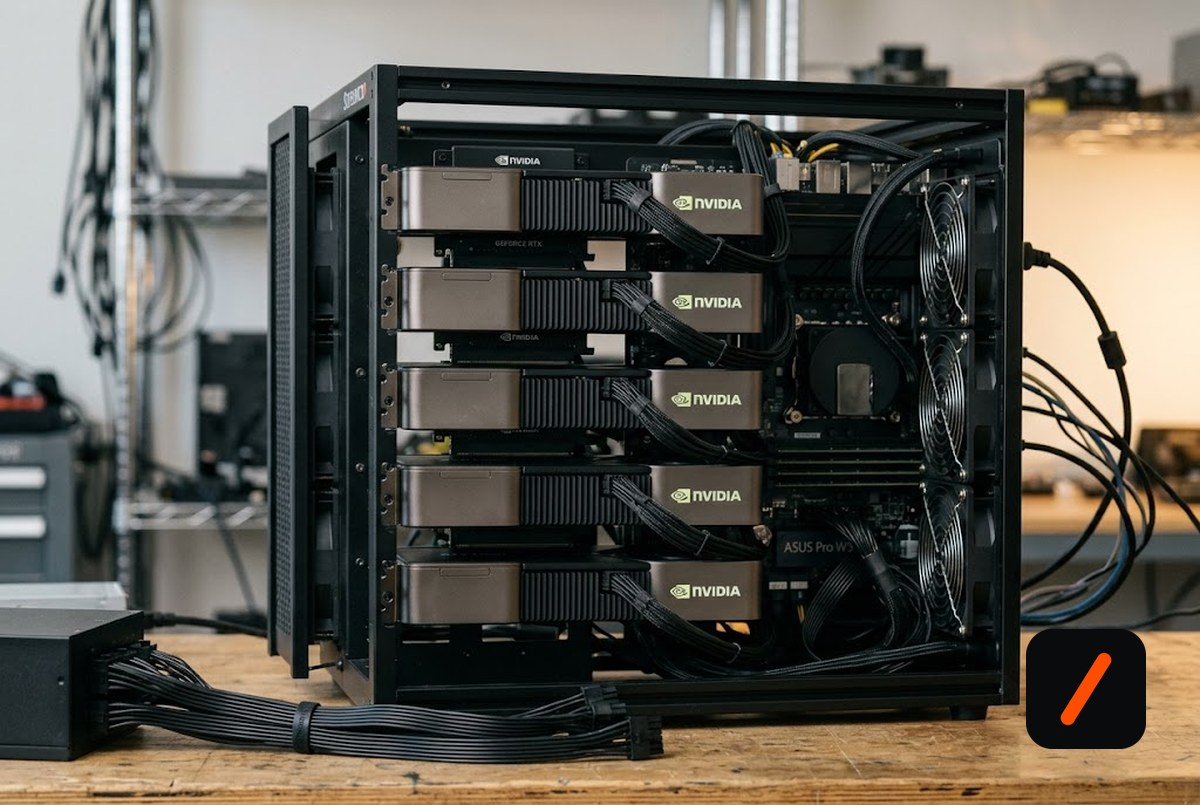
GEODNET Builds Centimeter GPS for the Robot Era
GEODNET runs a decentralized network of over 8,000 GNSS base stations delivering centimeter-accurate positioning, an open alternative to costly government and corporate correction services. It reports about $8.3M ARR with 80% of revenue funding a GEOD buy-and-burn.
 DePIN
DePIN
Render Network Rides the AI GPU Compute Crunch
Render Network turns idle GPUs around the world into a decentralized cloud for 3D rendering and AI inference, and the structural AI compute shortage is finally giving this DePIN project the real, paying demand it was built for.
 DePIN
DePIN
Helium Mobile's Pivot Turns HNT Deflationary
Helium's pivot from IoT to mobile is paying off: Helium Mobile hit 2.5M daily active users, signed AT&T and Telefonica for data offload, and burned enough HNT in late 2025 to make the token deflationary for the first time.
 DePIN
DePIN
Helium: the crowd-built wireless network, explained
Helium is a DePIN wireless network where ordinary people run hotspots and small radios at home to provide coverage, earning token rewards for it, and phone carriers and IoT devices pay to use that coverage. It is the clearest working example of bootstrapping real telecom infrastructure with crypto incentives instead of a carrier's capital.
 DePIN
DePIN
Hivemapper: mapping the world with dashcams
Hivemapper is a DePIN map built by drivers who mount dashcams and earn token rewards for the fresh street imagery they collect. It aims to be a cheaper, faster-updating rival to Google Street View, selling that map data to businesses that need current road information.
 DePIN
DePIN
Filecoin and the case for decentralized storage
Filecoin is a DePIN where operators around the world rent out spare hard-drive space and get paid in tokens to store other people's data, with cryptographic proofs verifying the files are actually being kept. It is a decentralized alternative to cloud storage giants like Amazon S3.
 DePIN
DePIN
Decentralized GPU compute: renting the world’s idle chips
Decentralized compute DePINs like io.net and Render pool idle GPUs from data centers, crypto miners and individuals, then rent that combined power to AI and rendering workloads, paying suppliers in tokens. The pitch is cheaper, more available GPU compute than the cloud during an AI chip crunch.