What Are Memecoins?.
A memecoin is a cryptocurrency with no product, no cash flow and no technical claim behind it. Its price is set entirely by how many people want it at once, which is why memecoins can rise faster than any other asset class and lose almost all of their value just as quickly. Understanding them is mostly a matter of understanding the mechanics that decide who gets out with money and who does not.
Those mechanics are unglamorous and mostly the same everywhere: a bonding curve sets the price as supply is bought, a liquidity pool determines whether you can actually sell, and a launchpad decides how easy it was to create the token in the first place. Almost every wipeout traces back to one of the three, usually the liquidity pool, and almost all of it is visible on-chain before you buy.
This series is written to explain those mechanics, not to recommend anything. Several of the pieces are specifically about failure: how a rug pull is structured and what it looks like beforehand, why the psychology of the trade defeats people who are good at everything else, and what the tax treatment does to whatever is left. Nothing here is investment advice, and the honest summary is that most participants lose money.
The memecoin series
Eleven explainers: what they are, how the machinery works, and how it goes wrong.
- What memecoins are, and why they exist at all
- Memecoin vs utility token: what the difference actually is
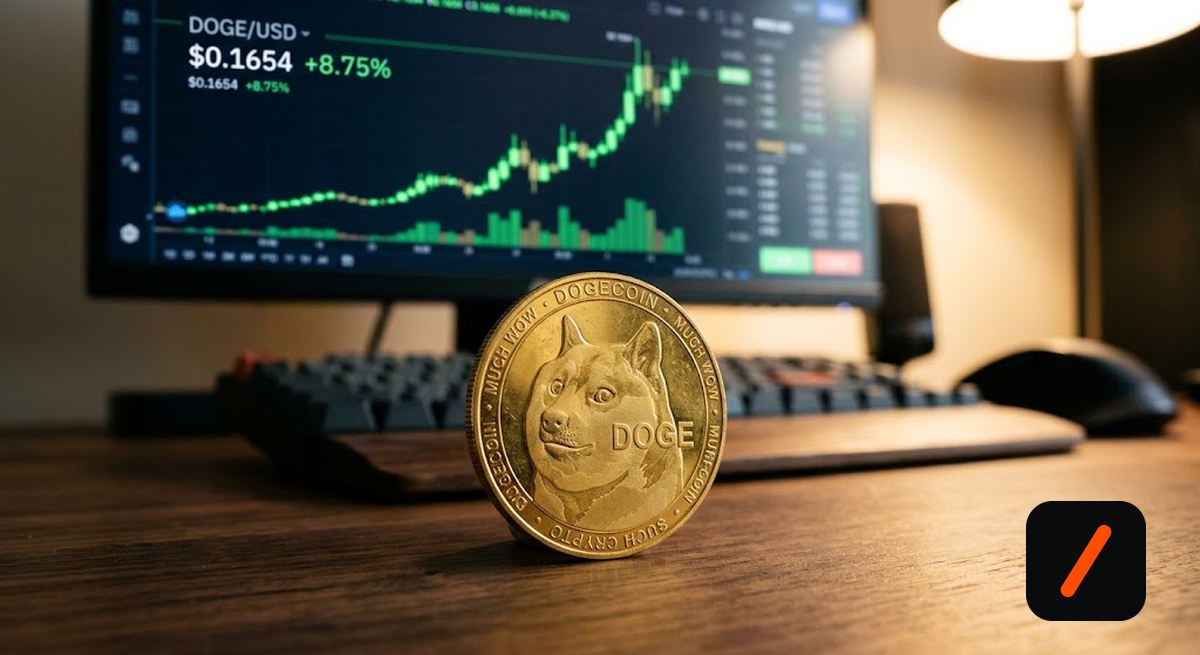
- Dogecoin: how a joke became a top cryptocurrency
- Bonding curves: how a memecoin prices itself
- Liquidity pools: why a coin you can't sell is worthless
- pump.fun and launchpads: the engine behind the churn
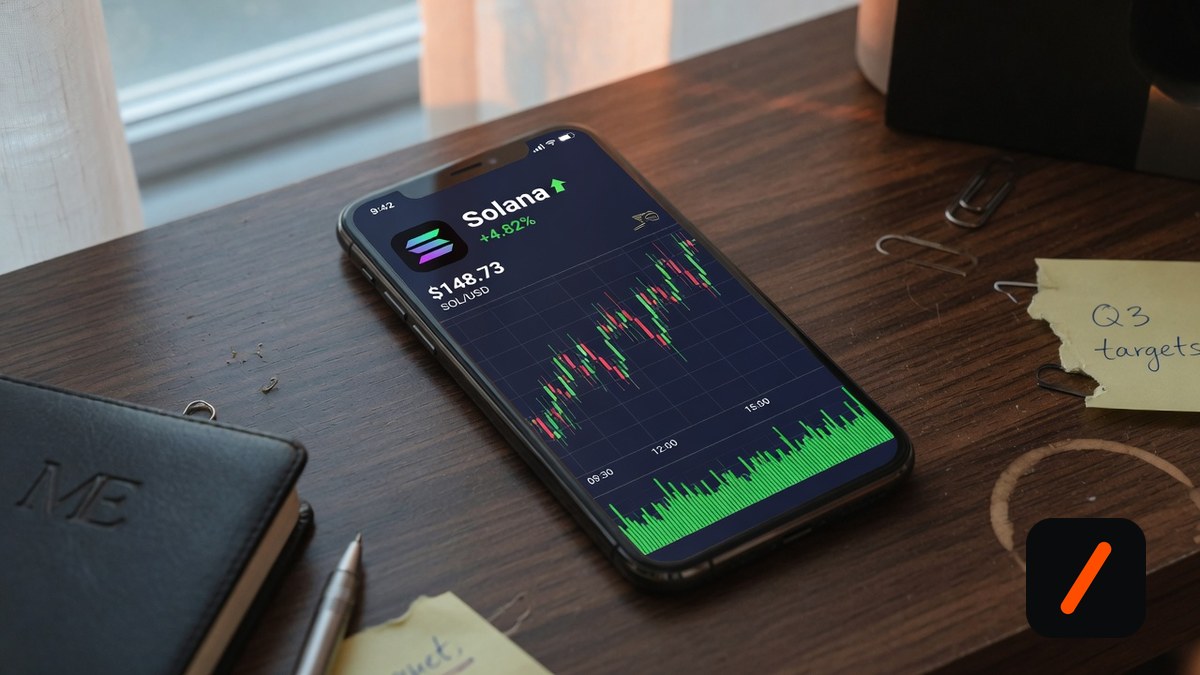
- Why Solana became the memecoin capital
- How to spot a rug pull before it happens
- Trading psychology: why smart people still lose
- Risk management and taxes: the boring survival guide
- Winners and wipeouts: the pattern behind both
Latest Memecoin coverage
 Memecoin
Pump.fun Custom Pairs Let Memecoins Launch Against Stocks
Pump.fun's new Custom Pairs feature lets creators launch a token against a tokenized stock instead of SOL, going live with 93 pairs across partners Sunrise and xStocksFi and routing half of all resulting revenue into PUMP's buyback-and-burn contract.
 Memecoin
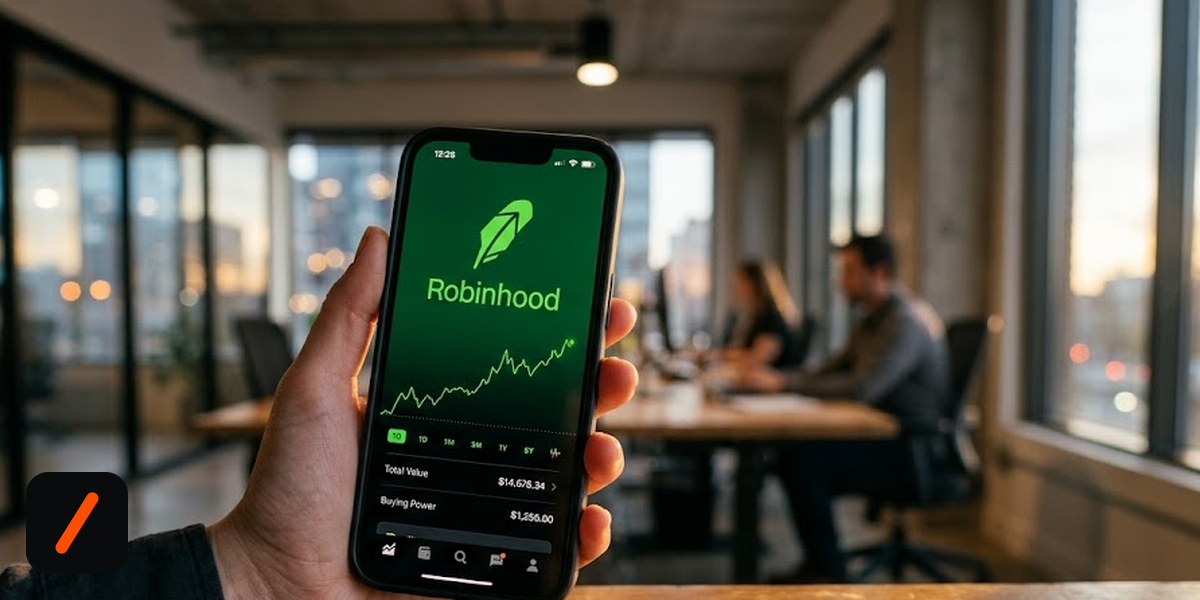
Robinhood CEO Vlad Tenev's X hacked to push fake coin
Robinhood CEO Vlad Tenev's X account was hijacked Thursday and used to promote a fake memecoin, $VLAD, that it falsely called the 'official Robinhood chain mascot.' Robinhood confirmed the takeover and deleted the post.
 Memecoin
The White House's 'Trump Coin' Isn't the Trump Coin
The White House posted a nine-second video on July 16 promoting a Trump Coin. It was a $1 gold-finish physical coin for America's 250th anniversary, not the TRUMP memecoin, which briefly dipped to around $1.56 amid the confusion and sits more than 97% below its January 2025 high.
 Memecoin
Maxi Doge Presale Rides Dogecoin's Memecoin Market Rally
A Dogecoin breakout on July 15 lifted the total memecoin market 7.2% in a day to $24.5 billion, and a presale token called Maxi Doge, a self-described gym-bro DOGE, rode the wave past $4.8 million raised, a rally that carries outsized rug-pull risk.
 Memecoin
Pump.fun's First Insider Unlock Tests a Fragile Meme Market
Pump.fun's first insider token unlock since launch hit on July 12, releasing team and early-investor PUMP that data vendors size anywhere from roughly $31M to $124M, landing into thin Solana meme liquidity and an aggressive buyback program that has already burned billions of tokens.
 Memecoin
CASHCAT Memecoin Hijacks Robinhood Chain's Launch
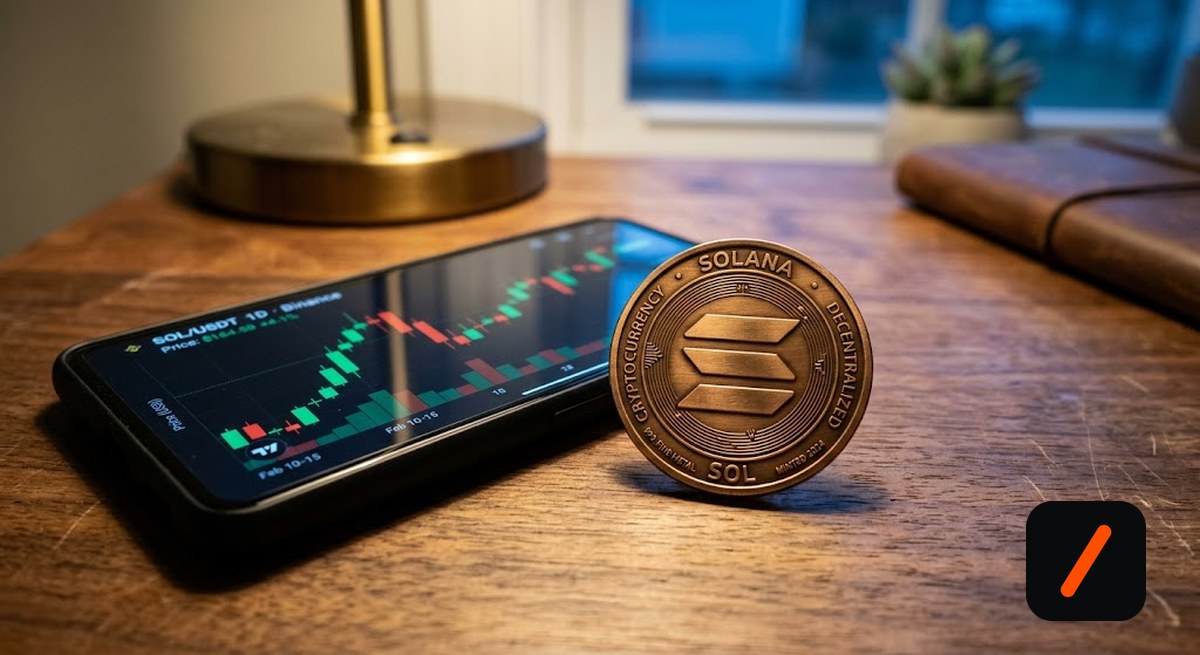
Robinhood Chain launched to serve tokenized real-world assets, but a memecoin called CASHCAT dominated its early activity, a familiar pattern where speculative tokens, not the intended use case, drive a new chain’s first volume.
 Memecoin
Popcat Rides Solana's Memecoin Revival Back to Life
Popcat, the Solana memecoin built from a viral clicking-cat meme, gained roughly 13% in a week as Solana's memecoin trenches roared back, with launchpad volume topping $1 billion a day and meme tokens back above 20% of the chain's weekly trading.
 Memecoin
LetsBONK.fun Emerges as Pump.fun's Real Rival on Solana
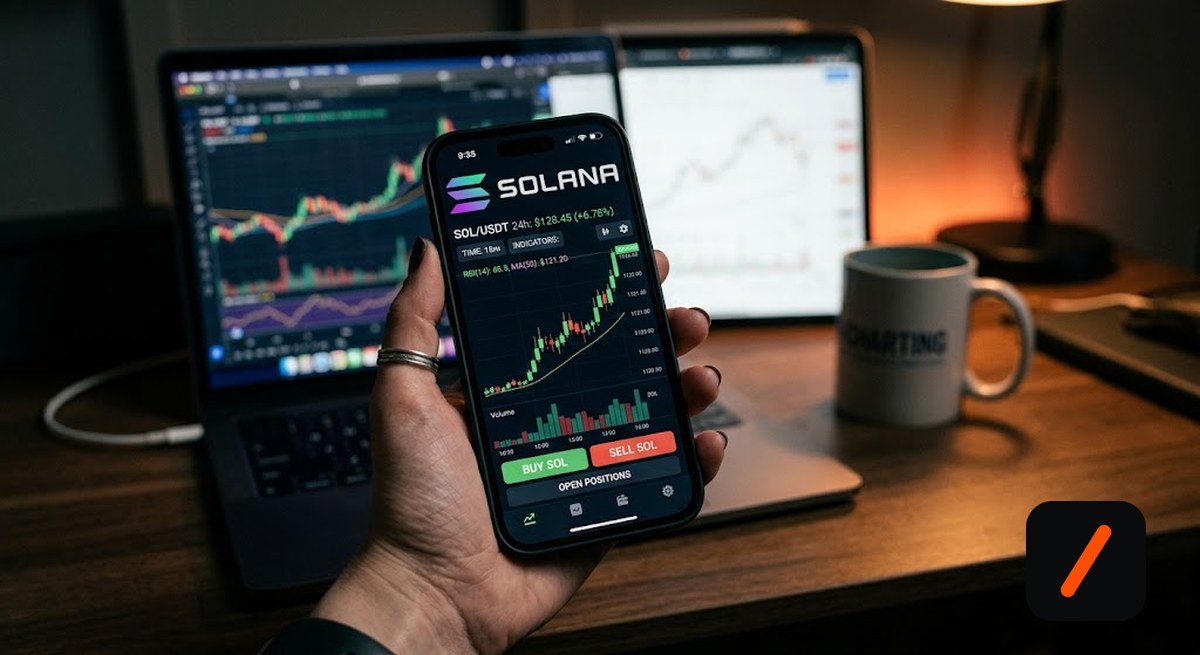
BONK's launchpad, LetsBONK.fun, has grown into Pump.fun's strongest competitor on Solana, differentiating with 30% of fees routed to BONK buybacks and burns plus 30% to validators, an ecosystem-reinvestment model rather than pure extraction.
 Memecoin
TROLL Holds $100M Cap as Inflows Defy the Meme Slump
Solana memecoin TROLL is holding a roughly $100M market cap with about $12M in net inflows and 14,000 new holders even as the broader meme sector consolidates, a rare show of relative strength amid a category-wide pullback.
 Memecoin
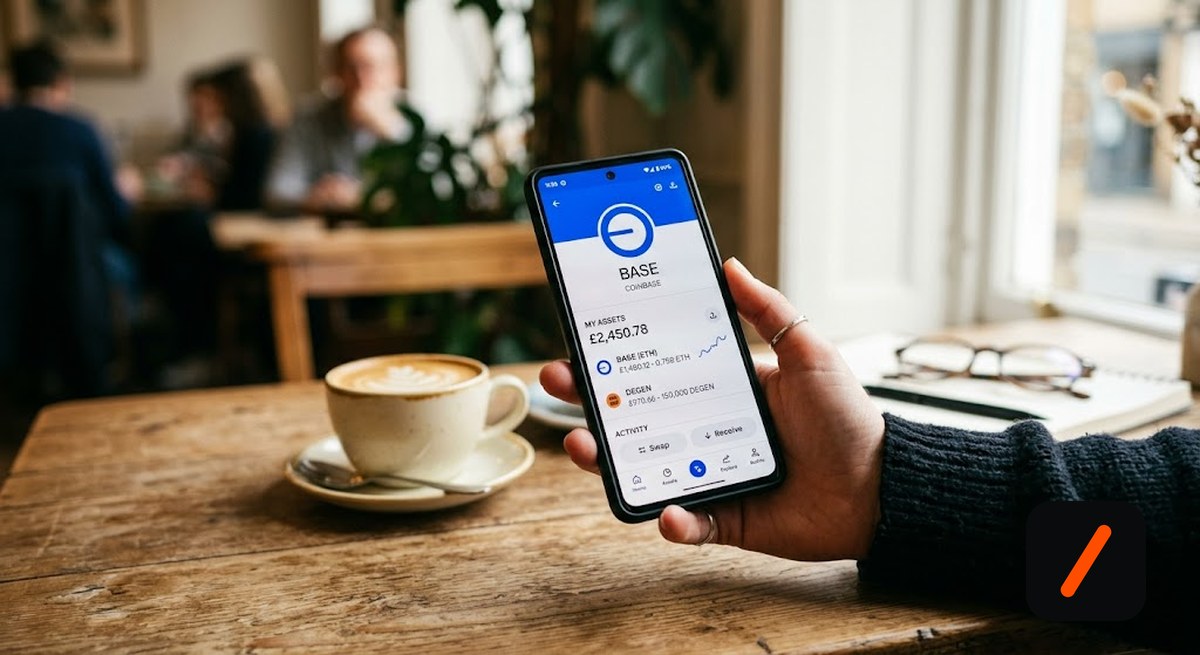
Brett Rides Base Momentum: B20 Standard and x402 in Focus
Brett, the mascot memecoin of Coinbase’s Base network, is back on trader radars as chatter builds around Base’s new B20 token standard and Coinbase’s x402 payment tool, a reminder that a treasury-free meme lives or dies on the momentum of the chain beneath it.
 Memecoin
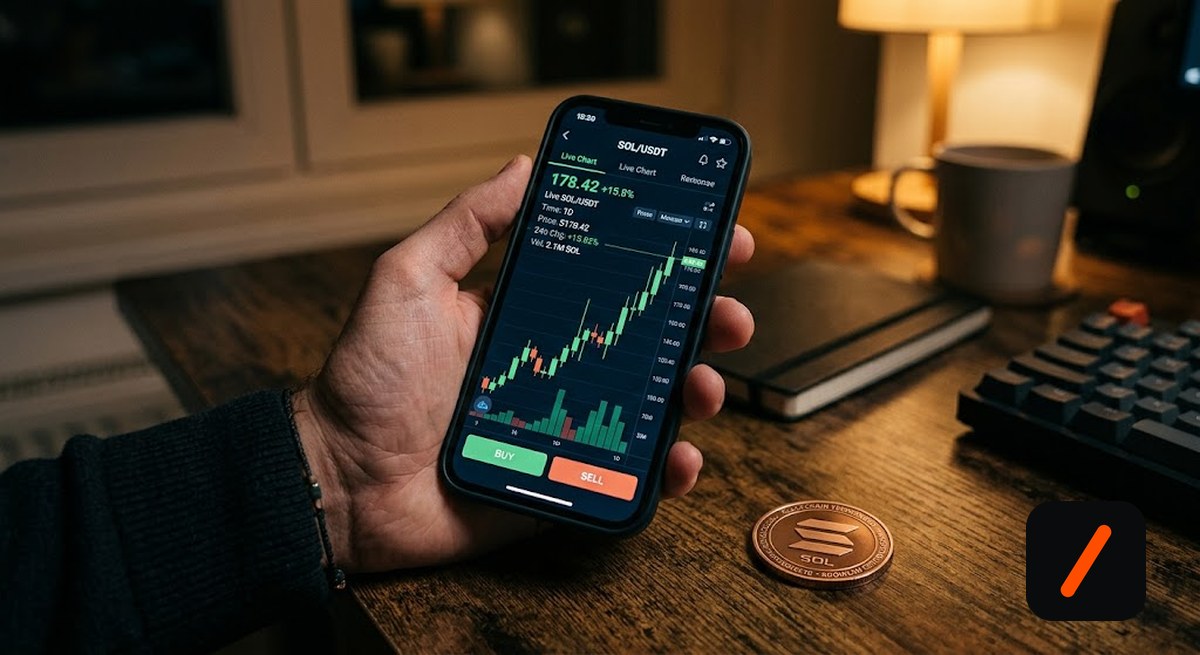
PUNCH Surged 22,000% in a Week. Here's the Catch
PUNCH, a Solana memecoin, surged roughly 22,290% in a week and over 80,000% since launch, a parabola that signals the most dangerous phase of a memecoin life, not a winning bet.
 Memecoin
Mog Coin Rides a Multichain Meme Revival Higher
Mog Coin, the self-improvement meme token now live on Ethereum, Base, Solana, and BNB Chain, is catching a bid as capital rotates back into memecoins during July's Solana liquidity rebound.
 Memecoin
Pump.fun's 'GO' pays $57K bounties for viral memecoin stunts
Pump.fun launched GO, a bounty board paying up to $57,000 for attention-grabbing memecoin stunts, turning the platform's flywheel of virality into an explicit, cash-funded incentive with 230+ open bounties.
 Memecoin
SPX6900, the anti-index memecoin, rips 32% in a week
SPX6900, a memecoin that parodies the S&P 500 index, jumped roughly 32% in a week after burning nearly 7% of its supply, trading across Ethereum, Solana and Base as the multichain meme rally rotates.
 Memecoin
Fartcoin breakout leads Solana memecoin trenches revival
Fartcoin broke above its 200 EMA with a bullish MACD crossover as Solana memecoin volume rebounded past $5 billion a week, but a median holding time of about 100 seconds shows the revival is still ruled by snipers and bots.
 Memecoin
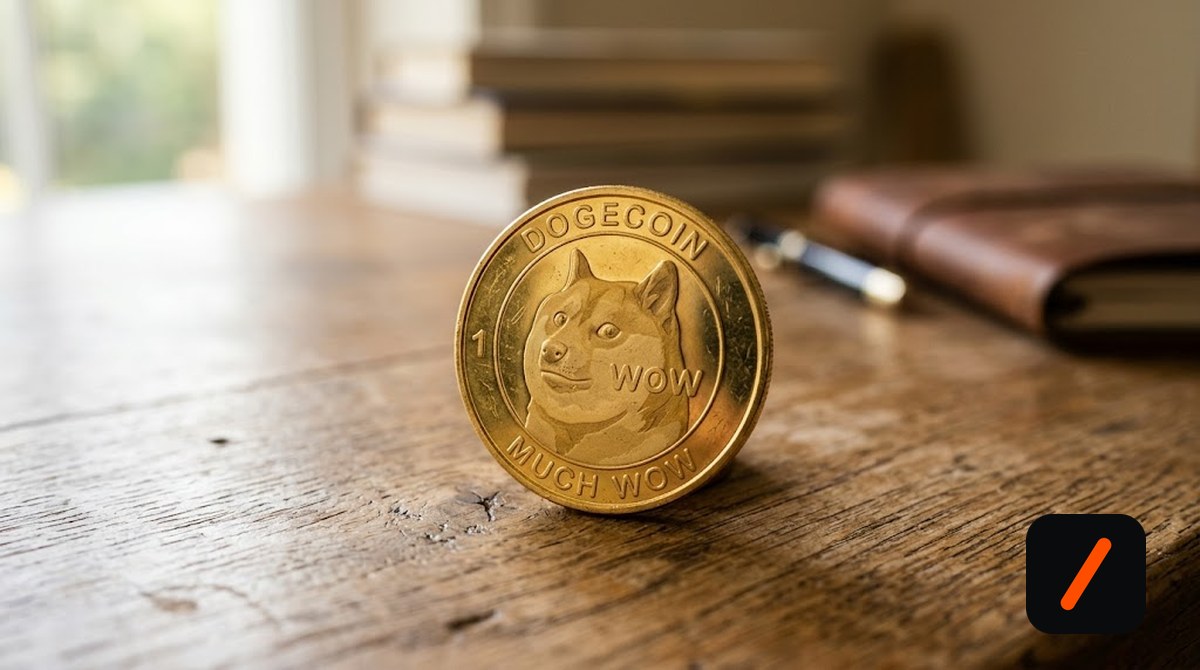
SEC Calls DOGE and PEPE 'Digital Cultural Assets'
The SEC has reclassified Dogecoin and Pepe as 'Digital Cultural Assets' rather than securities, lifting a major regulatory cloud off the memecoin sector. It is a clarity win, but it does not make meme tokens any less volatile or any safer to trade.
 Memecoin
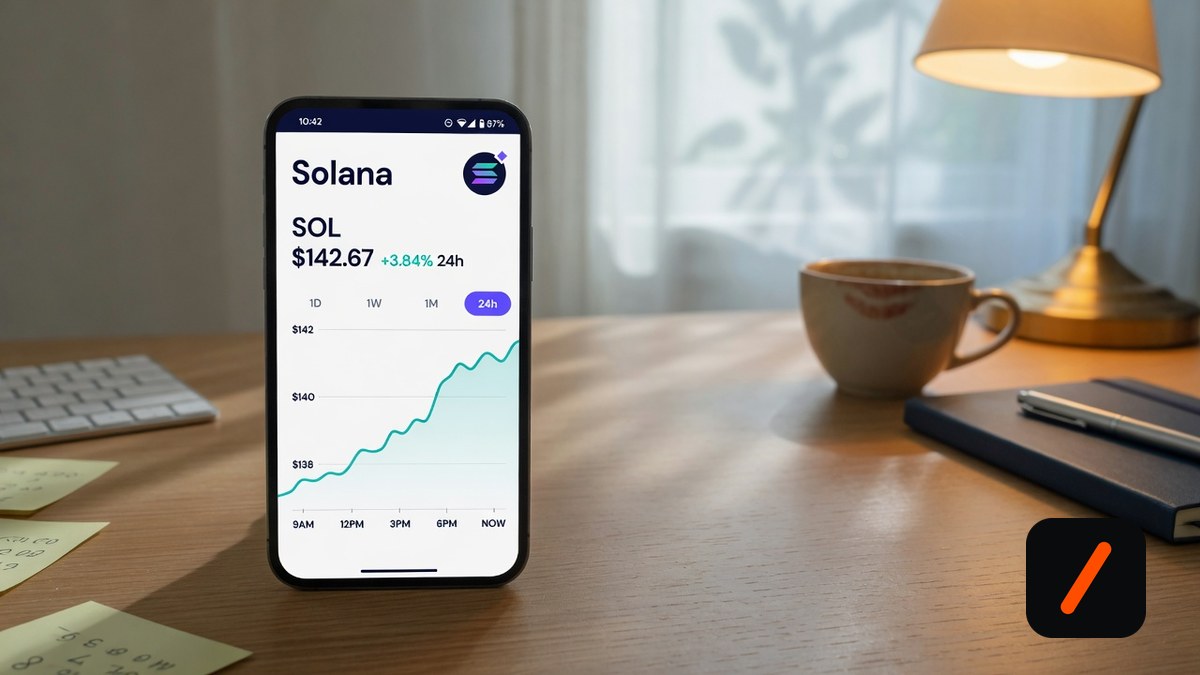
Solana DEX volume topped Coinbase and Kraken
During the week of June 12 to 18, Solana's decentralized exchanges processed $7.19 billion in spot volume, beating Coinbase's roughly $6.39 billion and Kraken's $4.37 billion. The memecoin machine on Pump.fun, minting up to 30,000 tokens a day, is the engine behind it.
 Memecoin
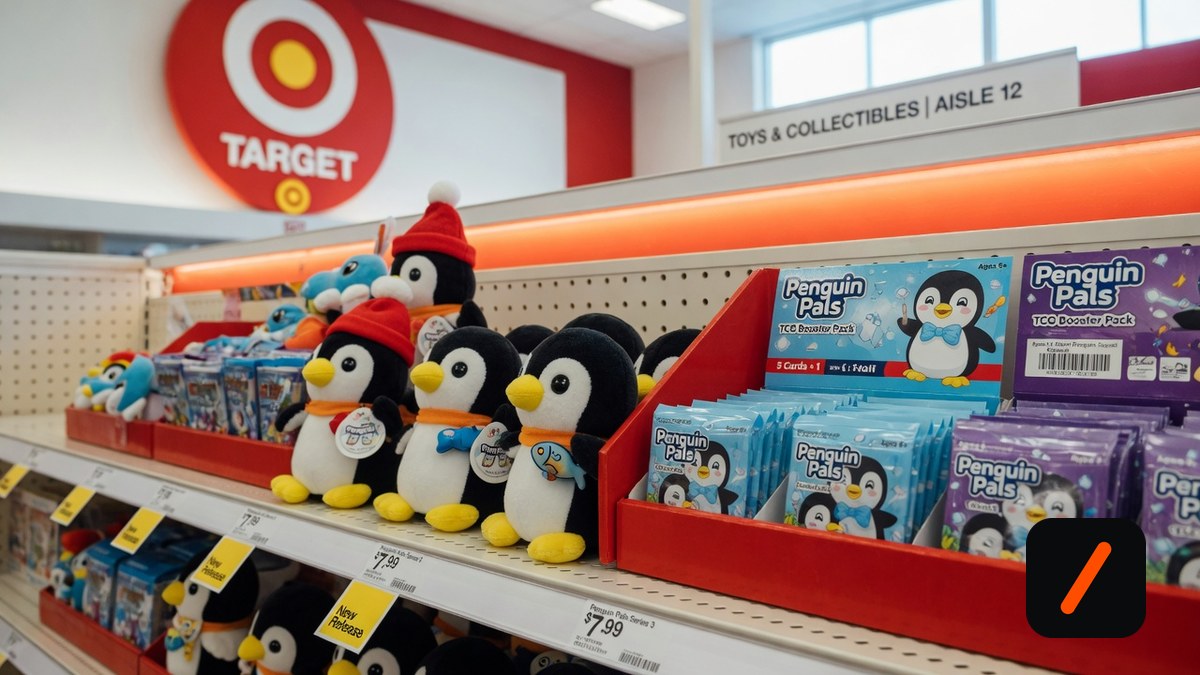
Pudgy Penguins Puts PENGU on Target Shelves Nationwide
Pudgy Penguins launched trading cards in Target stores nationwide, pushing its PENGU token's brand into mainstream retail, a rare memecoin play built on physical products and IP rather than pure on-chain speculation.
 Memecoin
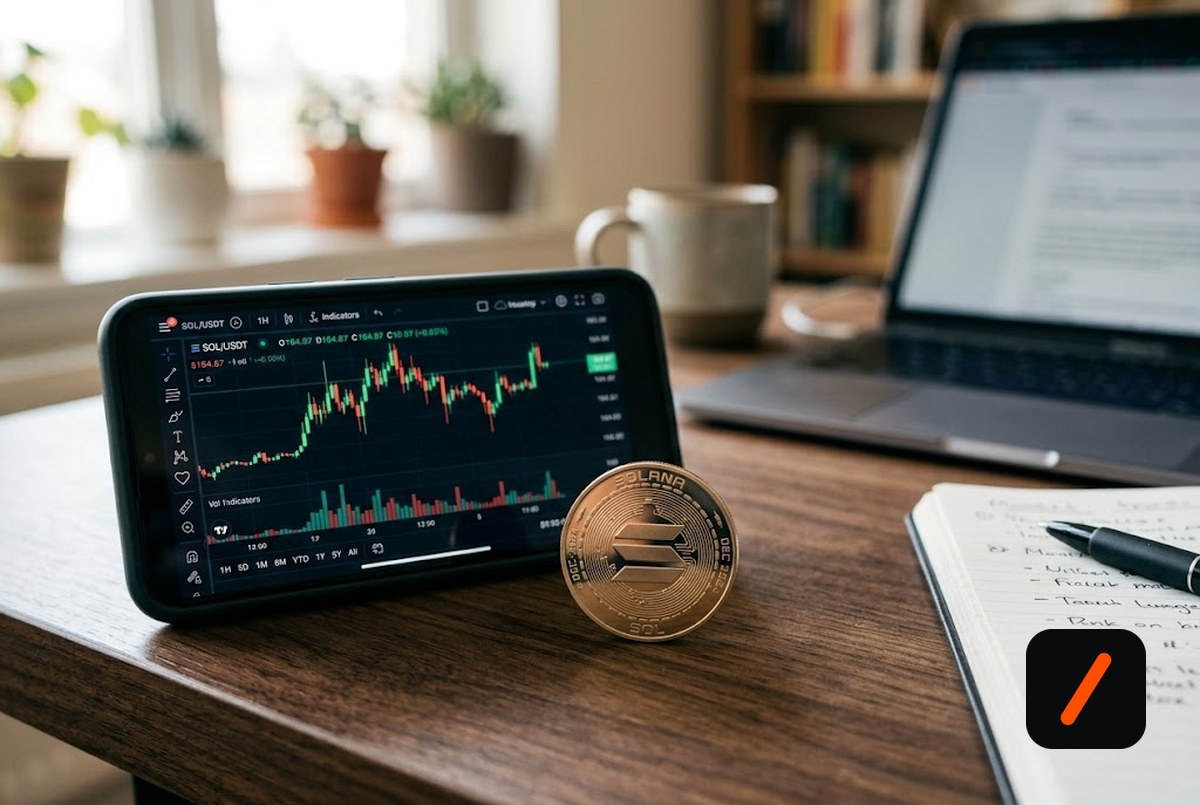
Pump.fun Faces Its First Big Test: A $123M Token Unlock
On July 12, Solana memecoin launchpad Pump.fun unlocks about 82.5 billion PUMP tokens worth roughly $123M for team and early investors, the first real price test of whether its aggressive buyback program can absorb the selling.
 Memecoin
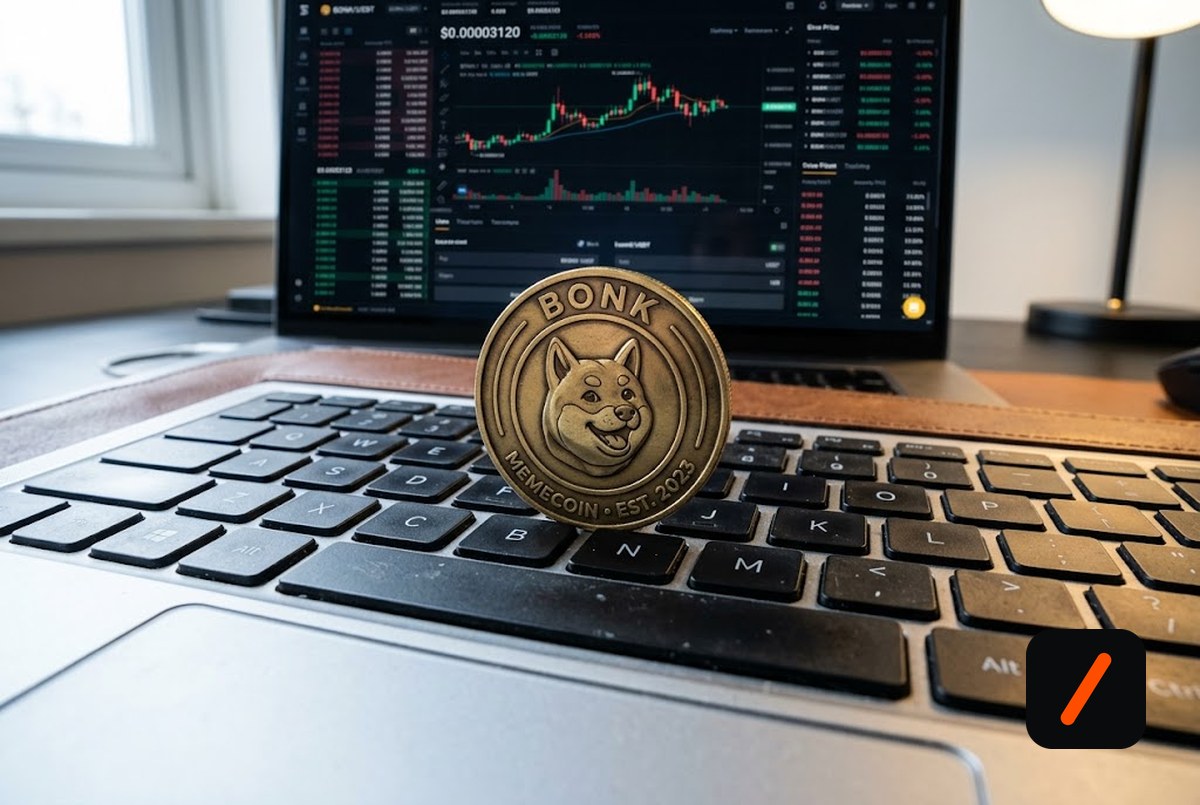
BonkDAO loses $20M to a single governance vote
An estimated $20M drained from BonkDAO's treasury after attackers pushed through a governance vote, exposing how a memecoin community treasury can be raided legally on-chain. It is a blunt reminder that in DAOs, controlling the votes can be as good as holding the keys.
 Memecoin
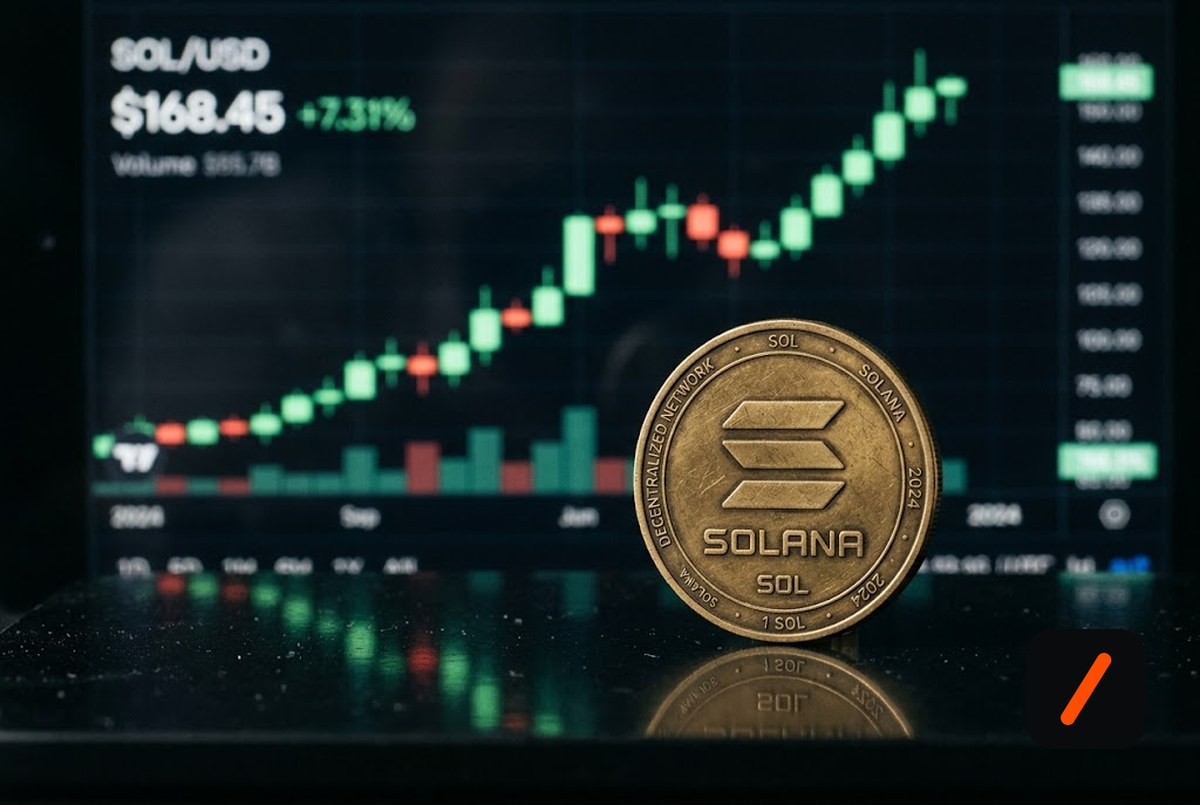
ANSEM Rockets 299%, Reviving Solana Memecoin Season
ANSEM, a Solana memecoin themed on a crypto influencer, surged about 299% in a week and drove Pump.fun to an 80-day launch high, reigniting the memecoin-season debate. Extreme risk applies.
 Memecoin
BRETT Rallies as Base Rolls Out x402 Payments
BRETT, Base's unofficial mascot memecoin, jumped back onto trader radars as Coinbase's Base network rolled out its x402 payment tool and new token rules revived Base ecosystem hype.
 Memecoin
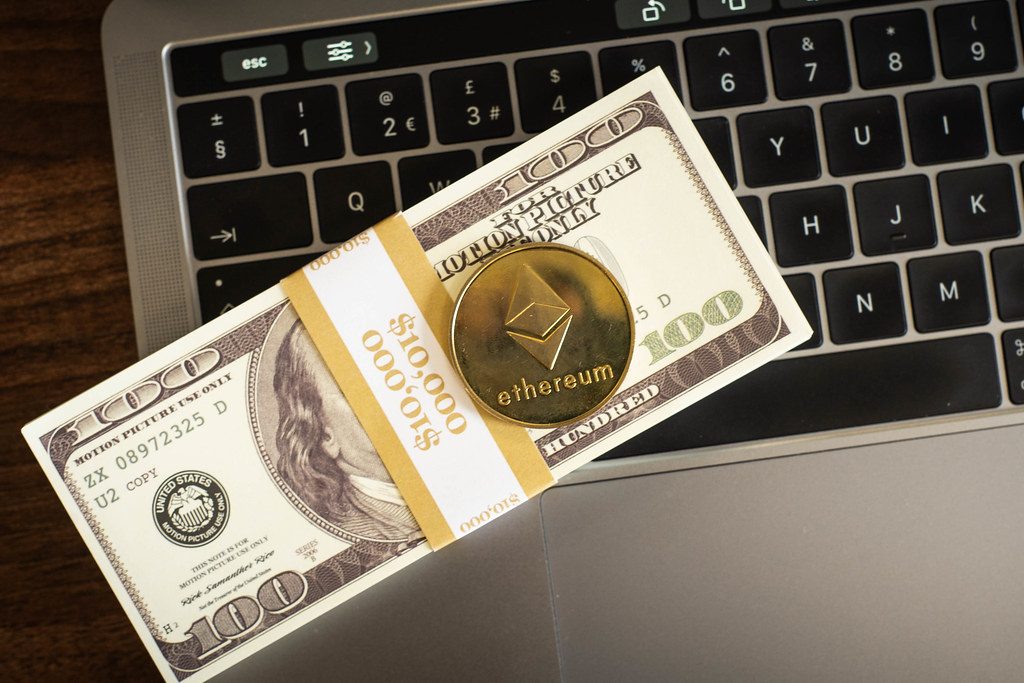
MemeCore Leads a ‘Meme 2.0’ Push Past Quick Pumps
MemeCore, a purpose-built meme blockchain, surged into the top three meme coins by market cap on a “Meme 2.0” thesis, that memecoins should become lasting brands rather than disposable quick pumps.
 Memecoin
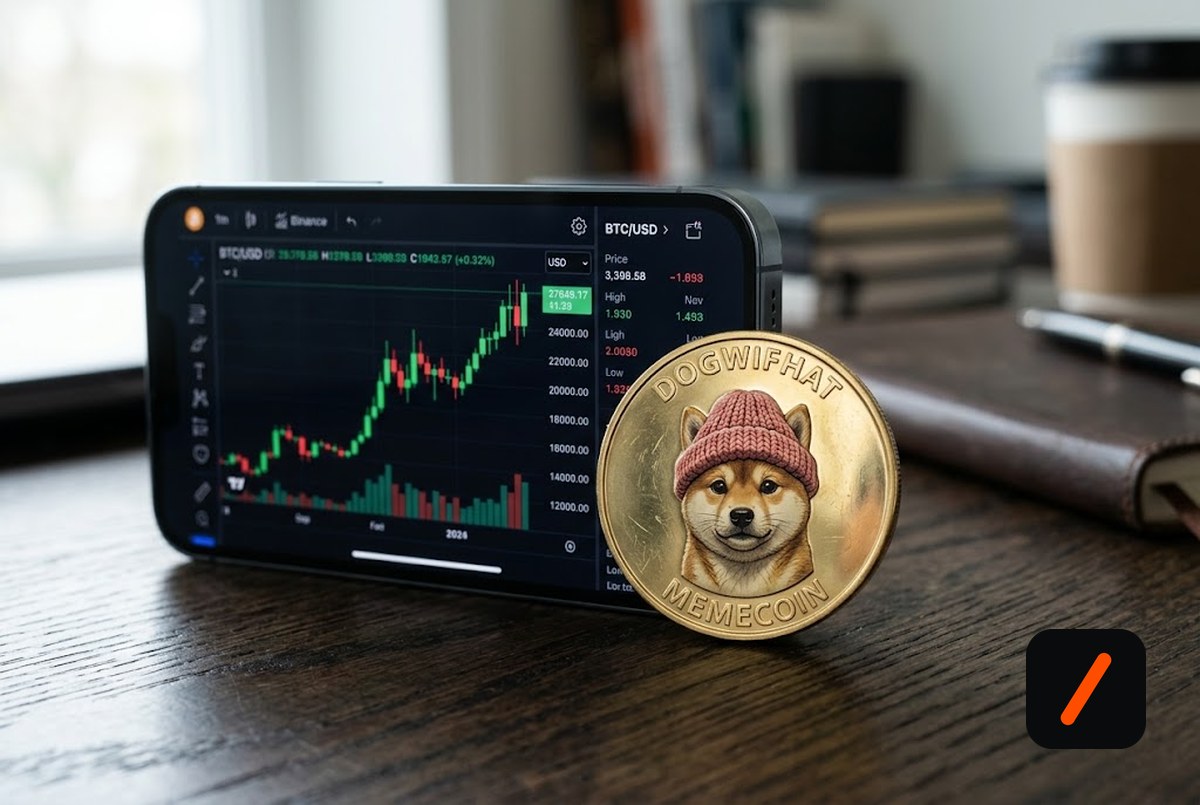
Dogwifhat's Upbit Listing Sparks a 40% WIF Rally
Dogwifhat (WIF) jumped 26% to 44% with volume up over 300% after listing on Upbit, South Korea's largest exchange, against KRW, BTC, and USDT. It is a textbook Korean-listing pump for a coin with no roadmap or utility.
 Memecoin
Dogecoin's Spot ETF Race Heats Up at the SEC
Multiple spot Dogecoin ETF applications from firms including 21Shares and Bitwise are now sitting with the SEC, and an approval would let ordinary brokerage investors buy the original memecoin through a regulated fund for the first time.
 Memecoin
Pump.fun Faces $124M PUMP Unlock vs Buybacks
Pump.fun unlocks roughly $124M of PUMP tokens on July 12 as its 12-month vesting cliff expires, the first real test of whether the launchpad's $400M buyback program can absorb team and investor selling.
 Memecoin
pump.fun and launchpads: the memecoin casino’s engine
Launchpads like pump.fun let anyone create and launch a memecoin in minutes with no coding and almost no cost, which is why thousands appear daily. They automate the token, the liquidity and the trading, turning memecoin creation into a one-click factory, and most of what they produce is worthless within hours.
 Memecoin
How to spot a rug pull before it happens
A rug pull is when a memecoin's creators drain its liquidity or dump their hidden supply, leaving buyers with a worthless token. The warning signs are usually visible in advance: unlocked liquidity, anonymous teams, concentrated holdings and hollow hype. Knowing them is the closest thing to protection in a market built for extraction.
 Memecoin
Dogecoin: how a joke became a top cryptocurrency
Dogecoin started in 2013 as a literal joke, a cryptocurrency built around a Shiba Inu meme, and improbably became one of the most valuable and durable coins in the world. Its story explains the entire memecoin phenomenon: value from community and culture rather than technology, and the rare staying power almost none of its imitators achieve.
 Memecoin
Why Solana became the memecoin capital
Solana became the center of memecoin activity because it is fast and cheap enough to make launching and trading disposable coins frictionless, and its culture embraced it. Low fees plus launchpads like pump.fun turned Solana into a nonstop memecoin factory, for better and much worse.