Software News.
Programming languages, frameworks, databases and developer tools, decoded for the people who ship. We track the releases and shifts that change how software gets built, from runtimes and type-checkers to the AI agents now writing code.
 Software
Swift 6.4 Lands: Swift Build Goes Default, Wasm Gets 40x Faster
Swift 6.4 shipped today with Swift Build as Swift Package Manager's default build engine across Linux, macOS and Windows, WebAssembly output up to 40x faster in some workloads, direct C++ std::span bridging, async Swift/Java interop, and new non-copying collection types.
 Software
Java 27 Ships With Post-Quantum TLS and Default G1 GC
Java 27 shipped September 15, 2026 with post-quantum TLS key exchange, G1 as the default garbage collector everywhere, and 64-bit compact object headers on by default, but as a non-LTS release it only gets six months of support before JDK 28 arrives in March 2027.
 Software
Microsoft Rushes Emergency Patches After Updates Broke RDS
Microsoft shipped six emergency Windows updates on September 14 after its own September security patches deadlocked Remote Desktop Services, locking IT teams out of terminal servers until they rebooted them by hand.
 Software
Minitap Accuses Google's Artemis of Copying Its Agent Code
Minitap says Google's Artemis mobile-automation agent copied its open-source mobile-use code nearly line for line, and that an August 2026 force-push then erased the three Minitap engineers credited as authors.
 Software
Microsoft Fixes Teams and Outlook Crashes on ARM Windows PCs
Microsoft shipped a permanent fix for a five-week bug that stopped Teams and the new Outlook from launching on Arm64 Windows PCs, closing an episode that started with an August 11 security update and, for weeks, could only be patched around with an unrelated AI graphics package.
 Software
Shopify Ditches React Native, Rebuilds Apps in Swift and Kotlin
Shopify is moving its mobile apps off React Native and back to native Swift and Kotlin, saying AI coding agents have closed the cost gap that made building each platform's app separately too expensive in 2020.
 Software
Automattic Board Ousts Mullenweg, Puts Him on Leave
Automattic's board voted to place WordPress co-founder and CEO Matt Mullenweg on paid leave on September 9, 2026, after denying his request to consult independent legal counsel, with CFO Mark Davies stepping into his responsibilities.
 Software
Tailwind Labs Joins Shopify After AI Cut Its Revenue 80%
Shopify has acquired Tailwind Labs, the company behind Tailwind CSS, giving the open-source framework a corporate home eight months after AI-driven traffic loss forced Tailwind to lay off 75% of its engineering team and cut its revenue by roughly 80% from peak.
 Software
LibreOffice 26.8 Sets a Download Record by Skipping AI
LibreOffice 26.8 pulled in 1,031,162 downloads in its first week, the highest ever for the office suite, after The Document Foundation doubled down on shipping zero built-in generative AI features.
 Software
Windows Server 2025 Memory Change Is Crashing SQL Server
Microsoft confirms a Windows Server 2025 memory-management change can crash SQL Server with access-violation dumps when the Lock Pages in Memory policy is enabled, and it has no fix yet.
 Software
Jellyfin 12.0 Is Out, and Upgrading Rewrites Your Database
Jellyfin 12.0 shipped September 7, 2026, dropping the leading "10" from its version numbering and adding native book/comic support, but the database schema is rewritten on first boot, so the project is telling every self-hoster to back up first.
 Software
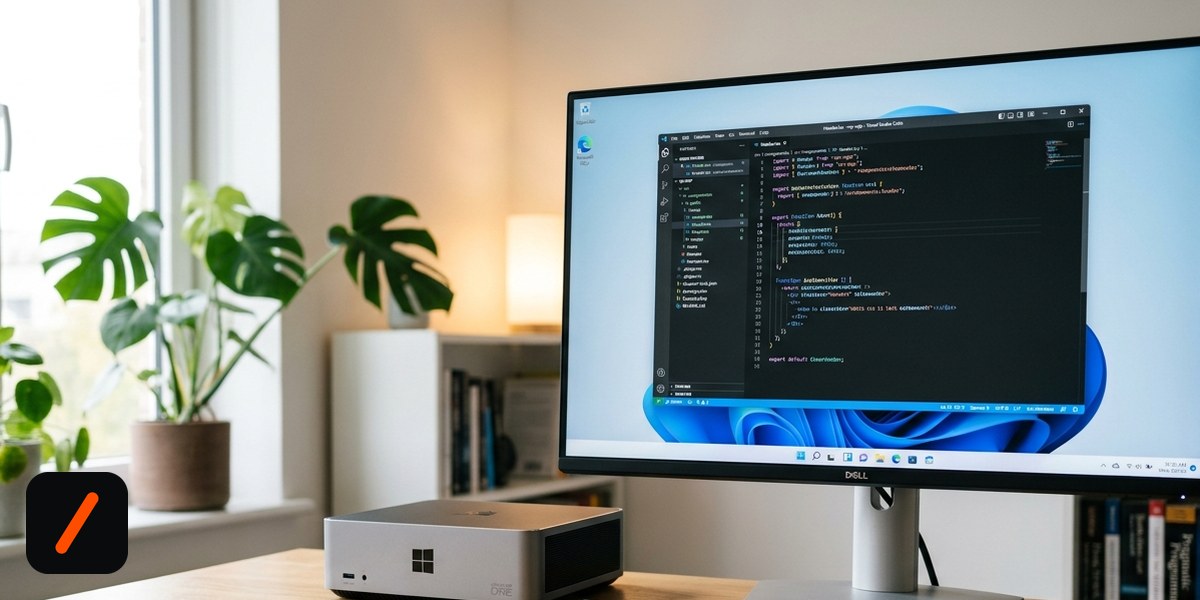
Microsoft's Project Zenith Reboots Windows for AI Developers
Microsoft announced Project Zenith today, a distraction-free Windows configuration for developer-class PCs with 64GB or more of unified memory that ships pre-set for coding and can run AI models above 30 billion parameters locally, unmetered.
 Software
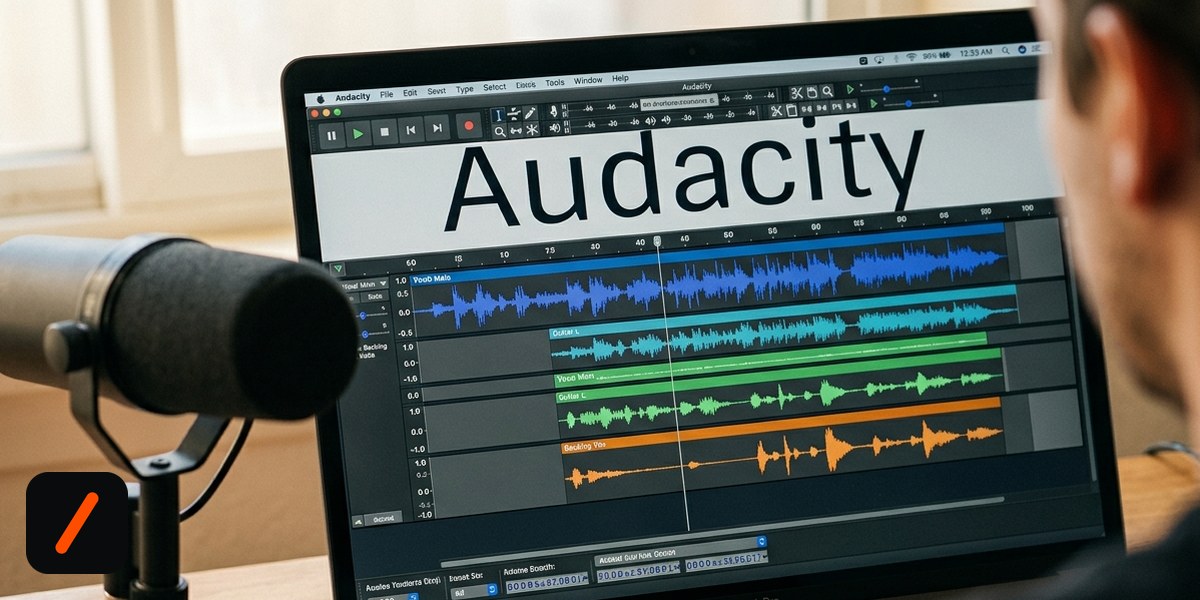
Audacity 4.0 Ships a Complete Qt Interface Rewrite
Audacity 4.0 launched today with its interface fully rebuilt on Qt6 instead of wxWidgets, a new clip-editing model, and a new .aup4 project format, while the underlying audio engine stayed on the existing codebase.
 Software
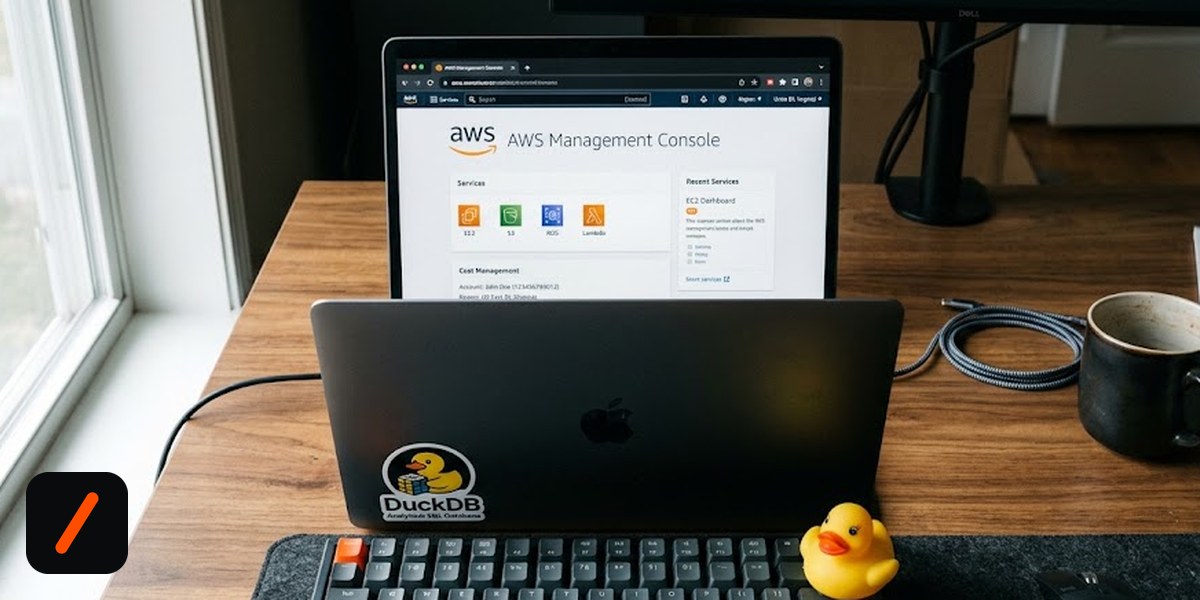
AWS buys DuckLabs, but DuckDB itself stays independent
AWS acquired DuckLabs, the Amsterdam company behind the DuckDB analytics database, closing August 31, 2026, but DuckDB itself stays free, MIT-licensed, and governed by the independent nonprofit DuckDB Foundation rather than Amazon.
SoftwareGoogle Play Threatens to Delist AnkiDroid Over Donations
Google is threatening to remove the open-source flashcard app AnkiDroid from Play worldwide on September 11 unless it resolves a dispute over whether its Open Collective donation link meets the tax-exemption standard Google's payments policy requires.
 Software
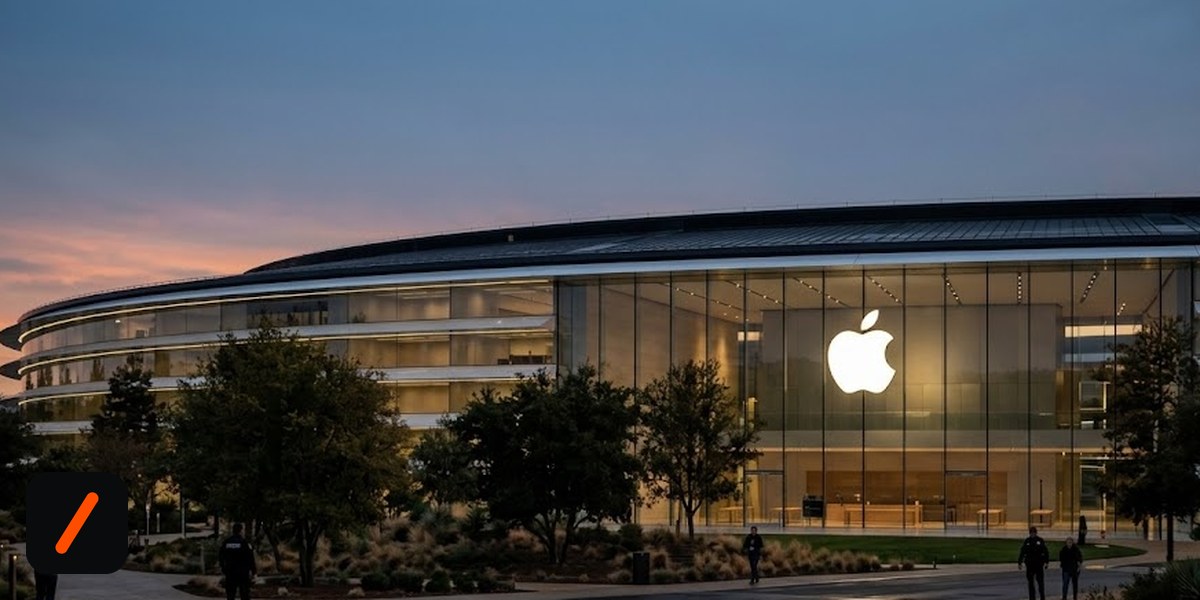
John Ternus Is Apple CEO Now, Schiller Exits App Store
John Ternus became Apple's CEO on September 1 as Tim Cook moved to executive chairman, and Phil Schiller stepped down from running the App Store and Apple's product events in the same 24 hours.
 Software
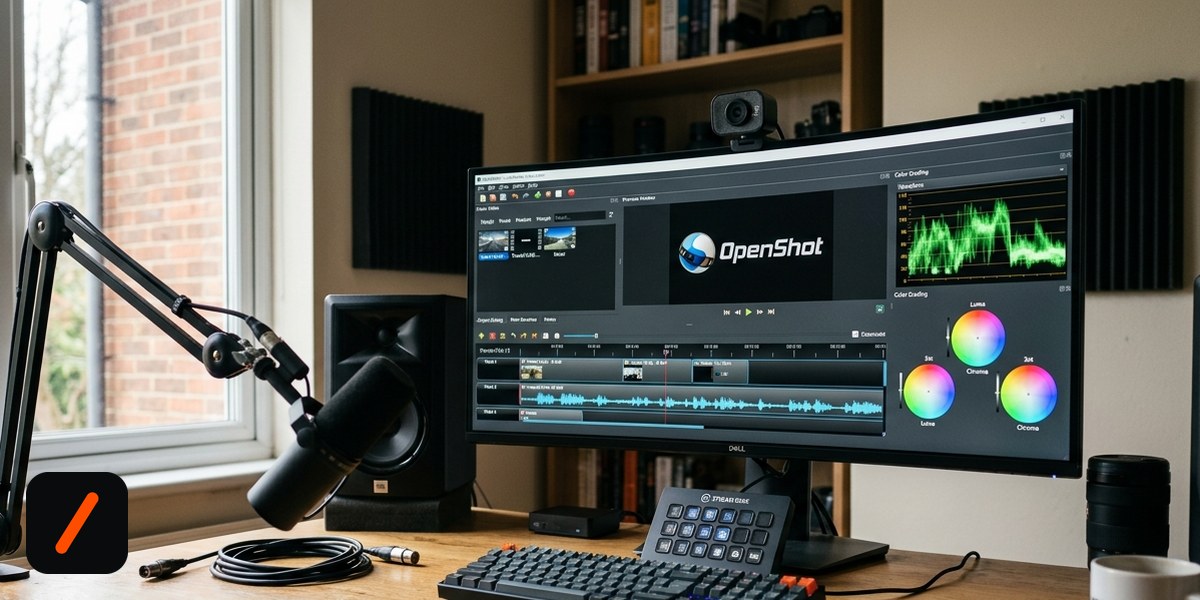
OpenShot 4.0 Brings Built-In Recording and Color Grading
OpenShot 4.0 is a free, open-source video editor update that adds a built-in screen/webcam recorder, a full color-grading suite with scopes and curves, and a Qt6 rewrite for better Wayland and HiDPI support on Linux, Windows and macOS.
 Software
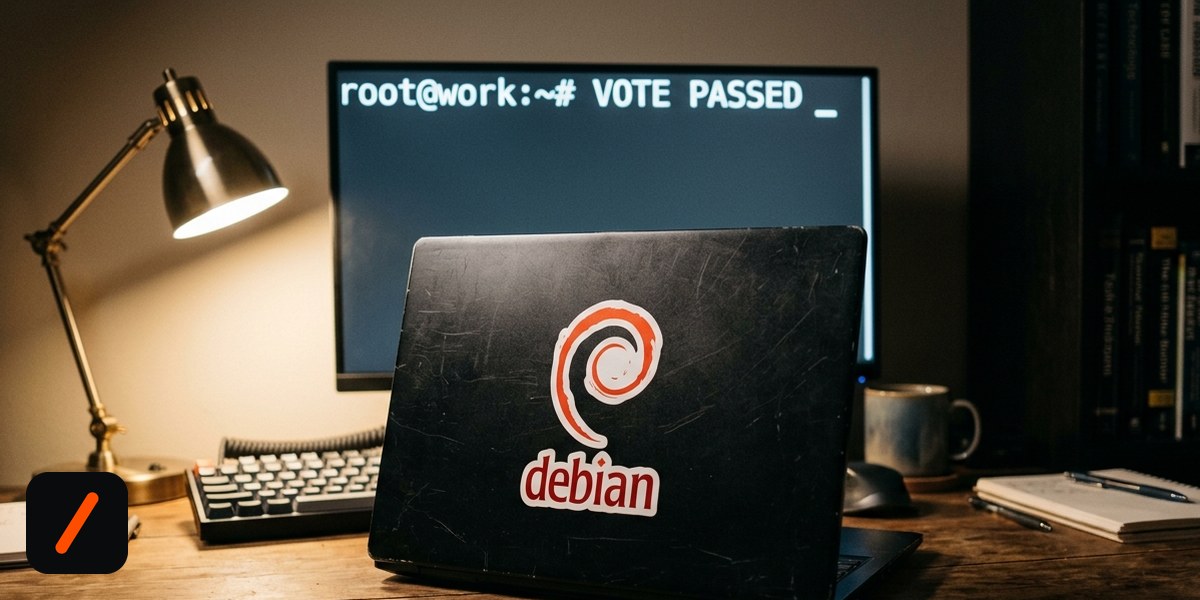
Debian Adopts 'Responsible Use of Generative AI' Policy
Debian developers voted 203-148 to adopt "Responsible Use of Generative AI" as the project's binding AI-contribution policy, rejecting both a ban and an unrestricted-use option in favor of holding contributors accountable for whatever they submit.
 Software
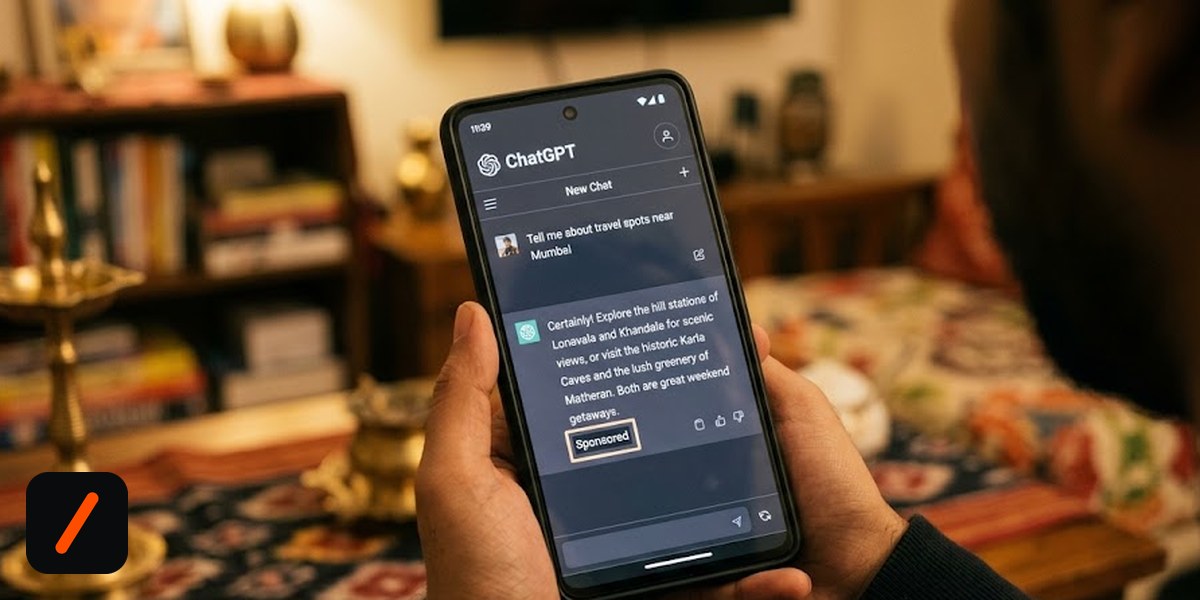
OpenAI Starts Showing Ads in ChatGPT for Free Users in India
OpenAI has begun placing sponsored content at the bottom of ChatGPT responses for logged-in adult users on the Free and Go tiers in India, while Plus, Pro, Business, Enterprise and Education subscribers stay ad-free.
 Software
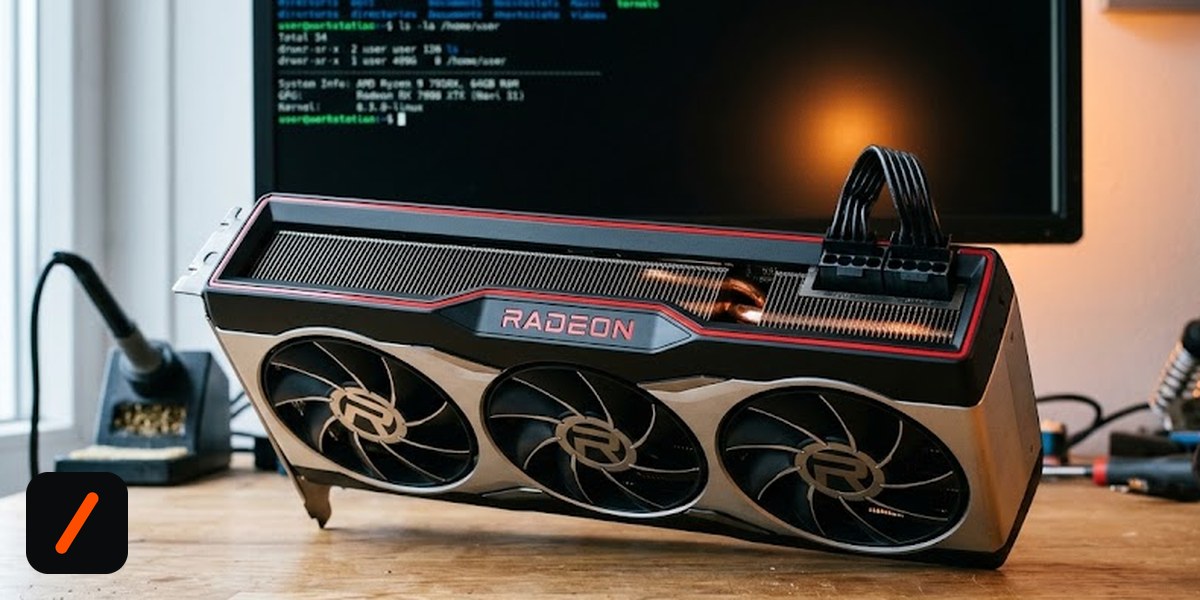
Linux 7.3 Makes Running Out of GPU VRAM Survivable
Kernel patches queued for Linux 7.3 trace the worst AMD GPU crashes under VRAM pressure to a lock ordering deadlock in the memory manager, not to the memory system itself, and the same fix makes running low on VRAM survivable instead of fatal.
 Software
GitHub Down Worldwide While Git Operations Stay Online
GitHub confirmed a worldwide outage at 13:40 UTC on August 17, 2026, with roughly 20% error rates across web and API traffic and major outages on Actions, Issues, Pull Requests, API Requests and Copilot. Git Operations stayed online, which is the tell: the failure sits in the centralized platform layer, not in version control.
 Software
Apple's price for letting you pay outside the App Store: 15%
Apple filed its proposed commission structure for external App Store purchases on August 13, 2026, hours after the Supreme Court refused to pause the case: 15 percent for standard apps, 10 percent for partner programs and subscription renewals, and 5 percent for small businesses. The rate has been zero since April 2025, and Epic argues it should stay there.
 Software
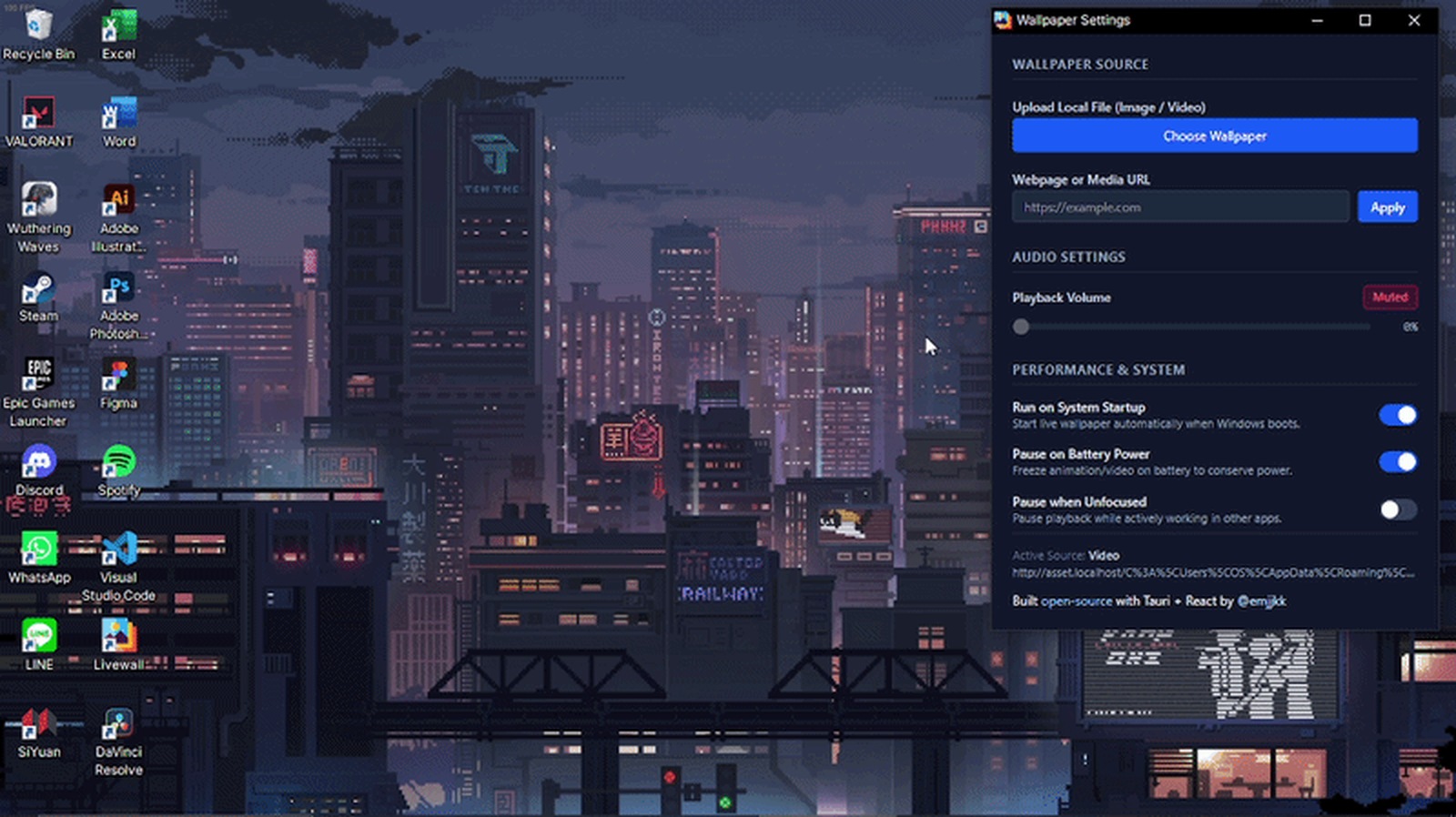
This Student Built a Live Wallpaper Engine That Barely Touches Your RAM
Emmanuel Alabi wanted a live video wallpaper for Windows that wouldn't eat resources on his 8GB laptop. So he built LiveWall, a Tauri app that hides behind your desktop icons using an undocumented Windows trick, using under 10MB installed and about 85MB of RAM while playing a video.
 Software
Zed launches Delta, a multiplayer workspace for coding agents
Zed launched Delta on August 12, a standalone multiplayer app for coding with AI agents and reviewing their output. It runs on DeltaDB, which records every edit between commits with a stable identity so review comments stay anchored as code changes, and it keeps the agent conversation stored alongside the worktree.
 Software
Rocky Linux's Founder Wants an Open AI Data Commons
OpenWALDO, launched August 11 by Rocky Linux founder Gregory Kurtzer and sponsored by CIQ, is building a shared training-data corpus with provenance attached to every contribution. It borrows Git review, content-addressed storage and DCO sign-off from open source to make AI data auditable.
 Software
Windows 11's Weather App Is Eating Over 1 GB of RAM
Testing published on 9 August 2026 found Windows 11's bundled Weather app holding more than 1 GB of RAM in normal use and peaking near 1.6 GB. macOS Weather does the same job in roughly 250 MB. The cause is architectural: it is an MSN web app running on WebView2, with Chromium subprocesses to match.
 Software
Shopify swapped Redis for MySQL and hit $5.1M sales a minute
Shopify moved checkout inventory reservations off Redis and into the same MySQL database that already held the inventory ledger, then proved it at Black Friday 2025 peak: $5.1 million in sales per minute with the database writer under 50% CPU. The move was not about speed. Redis could not express multi-location stock or make reserve-and-claim atomic, and the fix was one MySQL row per sellable unit claimed with SKIP LOCKED.
 Software
Nixpkgs core team disbands, citing steering committee friction
The Nixpkgs core team disbanded on August 7, 2026, ten months after the NixOS Steering Committee created it. Its two remaining members cite failed recruitment and steering committee micromanagement, leaving Nixpkgs governance with no direct owner.
 Software
Cloudflare Open-Sources an OS for AI Agents at Work
Cloudflare has open-sourced Cloudflare OS, a self-hosted platform that gives every employee an AI agent workspace with zero-trust access to internal systems, deterministic workflows, and shareable full-stack apps, all built on Cloudflare Workers.
 Software
Cursor pulls dollar costs from its usage page
On July 31, 2026 Cursor removed dollar amounts from the usage page and CSV export for self-serve plans, and zeroed the historical cost data retroactively. Token counts remain, so you can still see how much you used, just not what any of it was worth.