
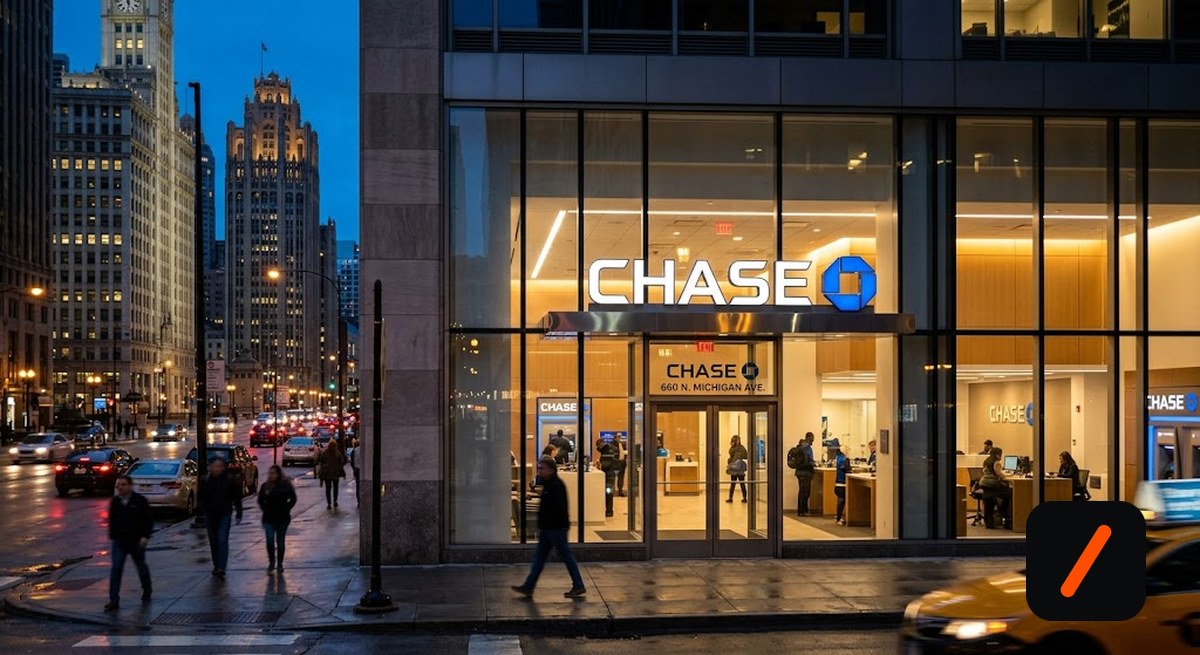
America's biggest banks are building their own answer to stablecoins: JPMorgan, Citi, Bank of America, and Wells Fargo are developing a shared tokenized-deposit network, routed through The Clearing House, to move regulated bank money on-chain, with a launch targeted for the first half of 2027. Reported by Bloomberg on July 13, it is Wall Street's clearest pushback yet against the trillion-dollar stablecoin surge. Our take is that this is the incumbents refusing to be disintermediated: rather than let stablecoins carry dollars around the internet, the banks want to tokenize the deposits they already hold.
- Four of the largest US banks are jointly building a tokenized-deposit network via The Clearing House.
- Tokenized deposits are claims on regulated bank money moved on-chain, not a separate stablecoin issuer's IOU.
- The launch is targeted for the first half of 2027, framing this as a strategic response, not an overnight product.
- It lands amid the GENIUS Act stablecoin rollout and RWA tokenization overtaking DeFi as crypto's growth story.
What is a tokenized deposit?
A tokenized deposit is a digital, on-chain representation of money that already sits in a regulated bank account. Unlike a stablecoin, which is a token issued by a separate company and backed by a reserve you have to trust, a tokenized deposit is a claim on your actual bank balance, moved onto a ledger so it can settle instantly and programmatically. The dollars never leave the banking system. That distinction is the entire strategic point: the banks get the speed and programmability that made stablecoins attractive, without handing the customer relationship, or the deposits, to an outside issuer.
RelatedBlackRock Listing Ethena's USDe Signals a Stablecoin Shift
Why are the banks doing this now?
Because stablecoins have become a genuine threat to the deposit base. As stablecoins scaled into a trillion-dollar phenomenon, they started doing something banks do not like: moving dollars around the world instantly, outside bank rails, and in the process pulling balances toward issuers rather than lenders. Every dollar parked in a stablecoin is a dollar not earning the bank a spread. A shared tokenized-deposit network is the collective defense, an attempt to keep programmable dollars inside the regulated system the banks control, and to offer corporate clients on-chain settlement without routing them through a crypto-native issuer.
What does it mean for the market?
The signal is that the fight over on-chain dollars just became a three-way contest between stablecoin issuers, banks, and eventually central banks. For stablecoin giants, a credible bank-backed alternative aimed at institutions narrows the most lucrative use case, corporate and cross-border settlement. For the banks, it is a defensive moat around deposits worth trillions. The 2027 target date matters too: this is a multi-year infrastructure effort, not a launch, which tells you the incumbents see stablecoins as a structural shift to be answered deliberately rather than a fad to wait out. It also fits the broader move of Web3 capital toward real-world-asset tokenization over speculative DeFi.
| Trait | Tokenized deposit | Stablecoin | CBDC |
|---|---|---|---|
| Issuer | Regulated bank | Private company | Central bank |
| Money stays in bank | Yes | No | N/A |
| Programmable | Yes | Yes | Yes |
| Live today | Building, ~2027 | Yes | Mostly pilots |
What could hold it back?
Coordination and interoperability. A network jointly built by fierce competitors has to agree on standards, governance, and who controls the rails, which is historically where bank consortia slow down. There is also the open question of whether these tokenized deposits will interoperate with public blockchains and the wider Web3 economy, or live in a walled garden that only moves money between the founding banks. If it is closed, it defends deposits but concedes the open, composable finance that made stablecoins useful in the first place. The design choices between now and 2027 will decide whether this competes with stablecoins or merely coexists beside them.
RelatedUniswap Becomes the Native AMM for Robinhood Chain
- Openness. Whether the network touches public chains or stays a closed interbank system.
- Who joins. Whether regional banks and non-US institutions are invited in.
- Stablecoin response. Whether major issuers court banks as partners rather than rivals.
Our take
This is the moment tokenization stops being a crypto story and becomes a banking one. The largest US lenders looking at the stablecoin boom and deciding to build their own on-chain dollars is an admission that programmable money is inevitable, and a determination not to let outsiders own it. The strategic logic is airtight: keep the deposits, keep the customer, add the speed. The risk is that a consortium of rivals builds something too closed to matter beyond interbank plumbing, ceding the open economy back to the stablecoins it meant to counter. Watch the interoperability decisions, because they will reveal whether Wall Street wants to win the on-chain-dollar race or merely avoid losing it.
- ReferenceBloomberg tokenized deposit network report, Jul 13 2026
- OfficialThe Clearing House the interbank rails behind the network
- OfficialJPMorgan digital assets bank tokenization efforts
Original analysis by GenZTech. Reporting informed by Bloomberg.