
Hivemapper, the decentralized street-mapping network, swapped its high upfront hardware cost for a subscription: instead of paying $589 for a dashcam, contributors can now sign up at about $19 per month on a two-year plan. The change is aimed at fleet operators, and it lands as real enterprise customers, Volkswagen for autonomous-vehicle work and Lyft for street-level data, tap the network's map. It is a concrete example of a DePIN project moving from token-emission hype toward a business built on customers who actually pay.
- Hivemapper replaced its $589 upfront dashcam cost with a subscription of about $19 per month on a two-year contract.
- The shift lowers the barrier for fleet operators, who can scale coverage without heavy capital outlay.
- Enterprise customers include Volkswagen (autonomous vehicles) and Lyft (street-level data).
- It competes with Google Street View and professional mapping providers at lower cost, though HONEY, like most DePIN tokens, sits well below its year-ago price.
Why change the hardware model?
Hivemapper's original model asked contributors to buy a $589 dashcam before they earned anything, a real barrier that limited who would join and how fast coverage could grow. Moving to a roughly $19-per-month subscription on a two-year plan flips the economics. Instead of a large upfront gamble, a driver or fleet pays a modest recurring fee, which makes the decision easy and, crucially, makes the network attractive to fleet operators who can deploy many cameras without a big capital hit. Coverage is everything for a mapping network, and lowering the on-ramp is the most direct way to buy more of it.
RelatedHivemapper Ditches $589 Cams for a $19 Dashcam Plan
Who actually pays Hivemapper?
The demand side is what separates Hivemapper from DePIN projects that exist mainly to emit tokens. Its map data has real enterprise buyers: Volkswagen uses it for autonomous-vehicle operations, and Lyft leverages it as a source of street-level data. Those are customers paying for a product, fresh, frequently updated map coverage, not participants chasing token rewards. That matters because the durable DePIN networks in 2026 are the ones generating revenue from real customers rather than subsidizing activity with emissions. Hivemapper having named enterprise clients is evidence the map is worth buying.
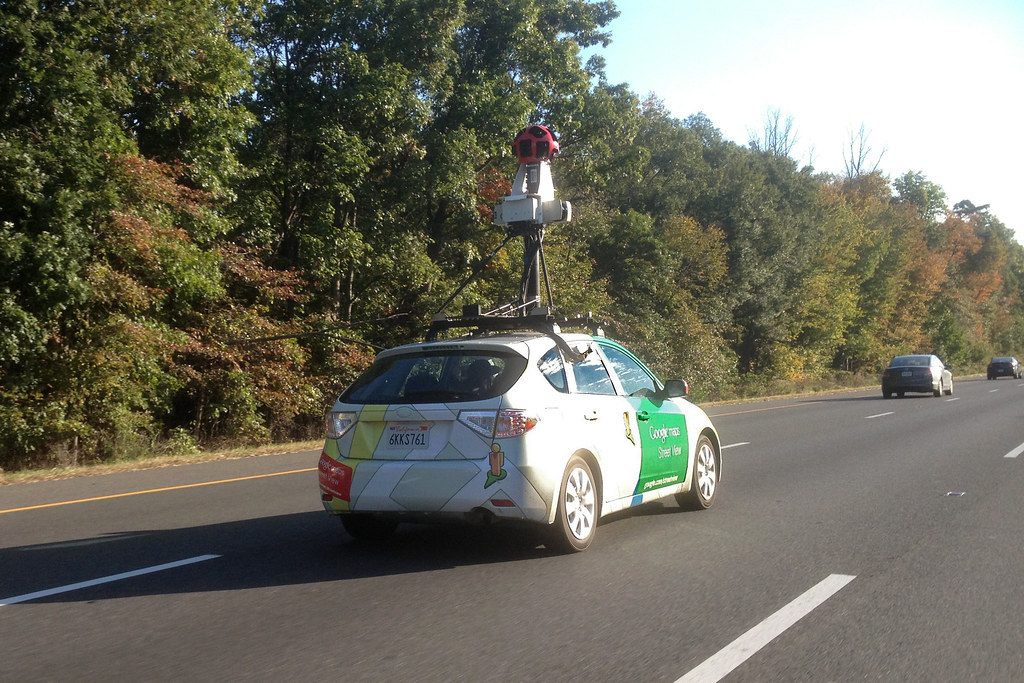
How does it stack up against Google Street View?
| Aspect | Hivemapper | Google Street View |
|---|---|---|
| Collection | Crowd dashcams | Owned camera fleet |
| Freshness | Frequent, incentivized | Periodic |
| Cost model | Lower, token-backed | In-house capex |
| Incentive | HONEY rewards | None for drivers |
What is the catch on the token side?
The business is maturing faster than the token. HONEY, like other leading DePIN tokens, has fallen sharply, down heavily from a year ago, reflecting a broad divergence between network usage and token prices across the sector. That gap is the defining tension of DePIN in 2026: networks are proving real-world utility and signing enterprise customers while their tokens languish, because token prices track speculation more than adoption. For Hivemapper, growing revenue and coverage is the right long-term answer, but holders waiting for price to follow usage have learned that the two do not move in lockstep.
Why does this matter for DePIN as a whole?
Hivemapper is a useful bellwether for whether decentralized physical infrastructure can graduate from narrative to business. The sector generated meaningful on-chain revenue in early 2026 from real customers paying for storage, compute, data and mapping, and the projects pulling ahead are precisely those with specialized, defensible use cases and named clients. Mapping is a strong example: it is a genuine, expensive problem, incumbents charge a premium, and a crowd-sourced network with fresh data and lower cost has a real wedge. Hivemapper's subscription pivot is a bet that broader access plus enterprise demand is a more durable engine than token incentives alone. It also quietly reframes what the token is for: less a speculative lottery ticket for hardware buyers, more a settlement and rewards layer underneath a subscription business with paying customers. If that model works for mapping, it becomes a template other physical-infrastructure networks can borrow, swapping upfront hardware gambles for recurring revenue and real clients.
RelatedHivemapper: mapping the world with dashcams
- Fleet uptake. Whether the subscription meaningfully accelerates coverage versus the old hardware model.
- Enterprise expansion. New named customers beyond Volkswagen and Lyft would confirm demand is broadening.
- Usage-price gap. Whether HONEY ever reconnects to network revenue or stays decoupled from adoption.
Our take
Hivemapper's subscription switch is the kind of unglamorous decision that signals a project is optimizing for a real business rather than a token narrative. Lowering the barrier to contribute grows coverage, coverage is the product, and the product already has buyers like Volkswagen and Lyft, which is more than most DePIN networks can claim. The stubborn asterisk is HONEY, sitting far below where usage would suggest, a reminder that proving utility and rewarding token holders are different jobs. If Hivemapper keeps signing enterprises and expanding the map, it becomes one of the DePIN success stories. The token catching up is a separate, slower story.
- OfficialHivemapper network and subscription details
- ReferenceFalconX, DePIN activity sector revenue and adoption
Original analysis by GenZTech. Reporting informed by CoinGecko. Not financial advice.