
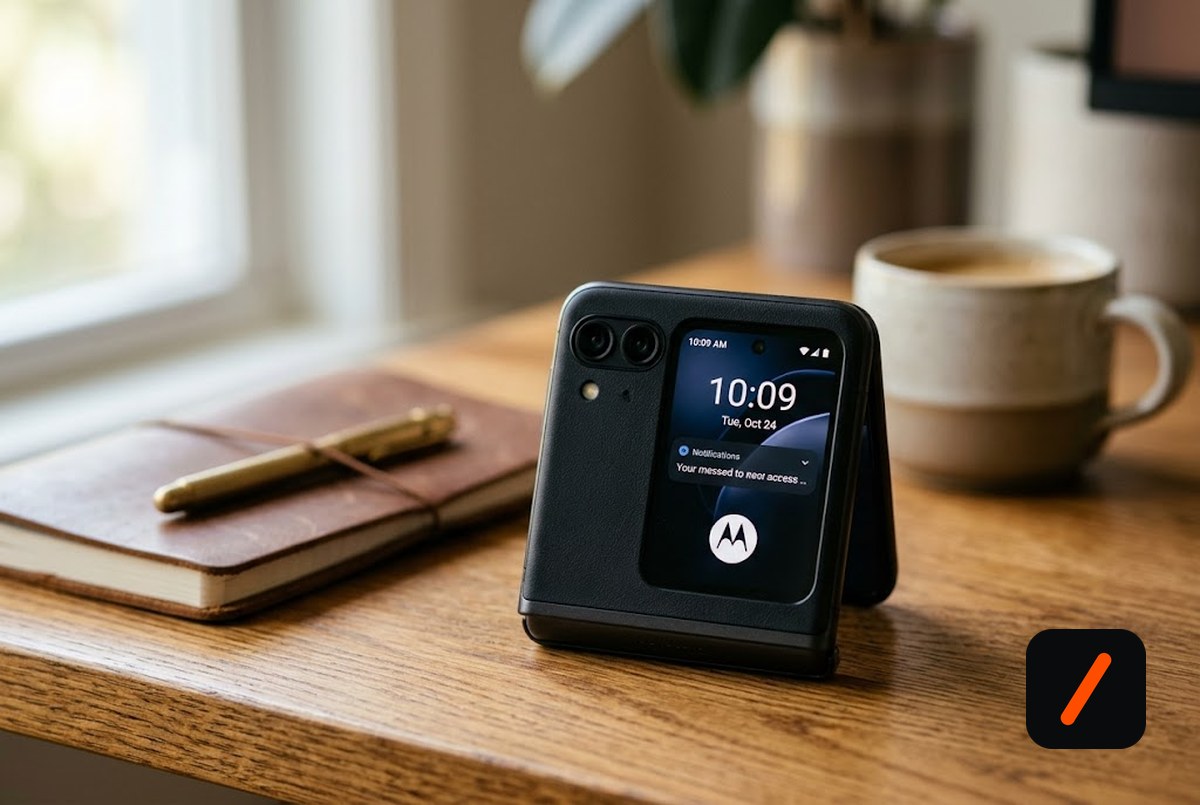
Motorola is rolling out the Razr 70 and the premium Razr 70 Ultra, its latest clamshell foldables, into a market that has finally turned competitive. The Razr line's whole strategy has been to make the cover screen, the outer display you use while the phone is shut, do more of the work, and the Ultra pushes that further with a large front panel and a more refined hinge. This lands the same summer Samsung readies its own Flip and the industry braces for Apple's entry into folding form factors. Our take: the flip foldable is where foldables actually go mainstream, because it sells nostalgia and pocketability rather than a fragile tablet, and Motorola is the brand best positioned to exploit that.
- Motorola launches the Razr 70 and premium Razr 70 Ultra clamshell foldables.
- The strategy centers on a large external cover display that runs apps without opening the phone.
- It arrives against Samsung's Flip line and a broader foldable market having its most competitive year.
- Flip-style foldables, not book-style, are the form factor most likely to go mainstream on price and pocket size.
What is Motorola shipping?
The Razr 70 is the standard clamshell, and the Razr 70 Ultra is the premium model with the biggest cover screen and the top internals. Motorola's pitch has been consistent across generations: fold it shut and the outer display becomes a real phone, not just a notification window, so you check messages, run widgets and even use apps without flipping it open. The Ultra is where Motorola puts its best hinge and materials, aiming at buyers who want a foldable that also feels like a flagship.
RelatedSamsung's July 22 Unpacked Bets Big on Thinner Foldables
Why does the cover screen matter so much?
Because it is the honest answer to the question every foldable faces: what do you actually gain day to day? A book-style foldable gives you a tablet you rarely need and a crease you always see. A flip foldable gives you a normal-size phone that folds into something genuinely pocketable, and a big cover screen means you interact with it constantly while it is closed. That is a tangible benefit for a mainstream buyer, which is why the flip category has outsold the book category in several markets.
How does it stack up against the competition?
Samsung's Flip is the obvious rival, and this year both face a market backdrop of rising memory costs that is thinning the flagship field. Motorola's counter has been aggressive cover-screen size and a hinge that folds flat, areas where it has historically led. The wildcard is Apple: a first Apple foldable, even in a different form factor, reshapes buyer expectations and pricing across the whole segment, and Motorola benefits from establishing the Razr as the default flip before that happens.
| Trait | Typical book foldable | Razr 70 Ultra (flip) |
|---|---|---|
| Folded size | Phone-sized, thick | Compact square |
| Cover screen | Narrow strip | Large, app-capable |
| Main appeal | Tablet mode | Pocketability |
| Crease visibility | Always in view | Only when open |
| Mainstream fit | Niche | Broad |
Who is this for?
The Razr 70 targets buyers who want the flip novelty and compactness without flagship pricing, while the Ultra goes after people who want a foldable that does not compromise on camera and performance. In a year where fewer new phones ship because of component costs, a strong flip lineup is a smart place for Motorola to concentrate its bets.
RelatedGalaxy Z Flip 8 Grows Its Cover Screen and Adds Qi2 Charging
What is the state of the foldable market?
Foldables have spent years as an expensive novelty, but 2026 is the year the category gets genuinely competitive, and clamshells are leading the shift to the mainstream. The reason is simple economics and ergonomics: a flip foldable is closer in price and thickness to a normal flagship than a book-style foldable is, and it solves a real problem, pocket size, rather than offering a tablet most people rarely use. That is why flip models have outsold book models in several markets and why Motorola has anchored its foldable strategy there. The looming variable is Apple. A first Apple foldable, widely expected to adopt a particular form factor, would validate the whole category overnight and reset consumer expectations on hinge quality, crease visibility and price. Motorola's move is to entrench the Razr as the reflexive choice for a flip phone before that happens, using cover-screen size and hinge design as its differentiators. The component-cost backdrop, driven by the same memory squeeze pressuring the whole industry, means fewer phones ship this year, which makes a focused, well-executed foldable lineup a smarter bet than spreading thin across a crowded slab market. Motorola has also learned that the cover screen is where buyers form their first impression, so the software running on that outer panel, the widgets, the app support, the quick actions, matters as much as the hinge engineering underneath it.
- Pricing. Memory costs are squeezing flagships; Razr pricing decides how mainstream it goes.
- Apple entry. A first Apple foldable resets expectations for the entire category.
- Cover-screen software. The external display is only as good as the apps allowed to run on it.
- OfficialMotorola Razr product pages manufacturer primary
- ReferenceGSMArena Razr 70 specifications spec database
Original analysis by GenZTech. Primary source: Motorola.