
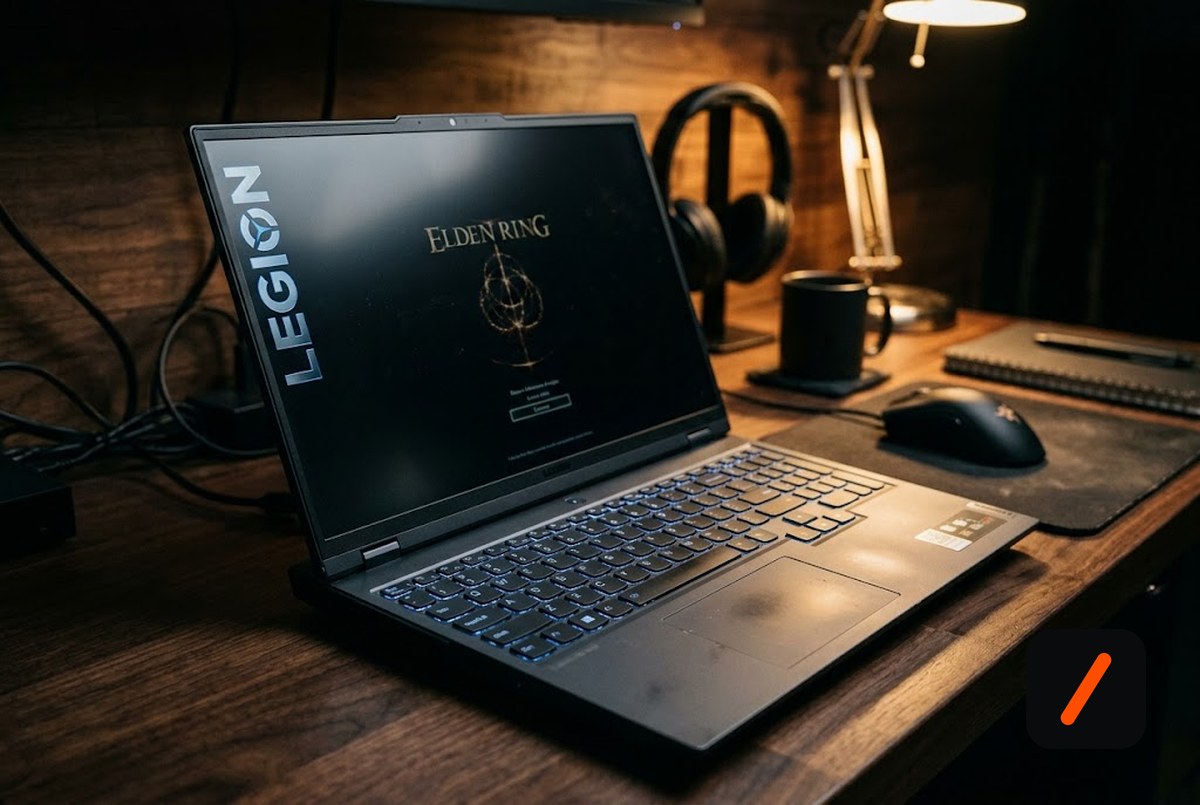
Lenovo is launching the Legion 7a Gen 11, a 15-inch gaming laptop, in July starting at $2,299, and the pitch is a familiar one for a maturing category: not the most watts, but the best-balanced machine. Gaming laptops have spent years in a horsepower arms race that produced hot, loud, heavy bricks. The 7a Gen 11 is Lenovo betting that buyers at the premium end now want a flagship that is fast and also thin, cool and quiet enough to actually carry and use, a laptop first and a space heater never.
- The Legion 7a Gen 11 is a 15-inch flagship gaming laptop launching in July at $2,299 to start.
- Lenovo's positioning emphasizes balance: strong performance in a thinner, better-cooled, quieter chassis rather than maximum raw power.
- It targets buyers who want one machine for gaming and real work, not a desktop-replacement brick.
- The launch lands during a memory-price surge, so pricing and configuration value are worth scrutinizing.
Who is this laptop for?
The buyer who refuses to own two machines. Plenty of people want to play demanding games at night and do real work, video calls, creative apps, long commutes, during the day, and they do not want a 6-pound desktop replacement that sounds like a jet on takeoff. The 7a Gen 11 targets exactly that person: enough GPU and CPU to run modern titles well, in a chassis you can shut, carry, and open in a coffee shop without embarrassment. It is a premium do-everything machine, not a benchmark trophy.
RelatedNothing Launches the Phone (4b) and Ear (3a) Together
Why does balance beat raw power now?
Because the category grew up. For years, gaming laptops competed on peak frame rates alone, which pushed makers toward thick chassis, aggressive cooling, and acoustics that made the machines miserable to live with. As GPUs got more efficient and buyers got pickier, the frontier moved from can it hit the highest number to is it actually pleasant to use every day. A thinner, quieter laptop that gives up a sliver of peak performance often delivers a better real-world experience, and that is the trade Lenovo is making here.
Does the $2,299 price hold up?
That is the number to interrogate, and the timing complicates it. Premium 15-inch gaming laptops cluster in this range, so the starting price is competitive on paper, but 2026 has a memory problem: DRAM prices have surged as makers divert supply to AI, which pressures the cost of RAM in every device. The practical advice is to scrutinize the configuration ladder, how much you pay to move up in memory and storage, because that is where the memory crunch quietly inflates the real cost. The base price is only the entry to the negotiation.
| Priority | Legion 7a Gen 11 | Max-power brick | Ultrabook |
|---|---|---|---|
| Gaming performance | High | Highest | Low |
| Portability | Good | Poor | Excellent |
| Noise and heat | Controlled | Loud, hot | Quiet |
| Best for | One do-it-all machine | Desktop replacement | Work only |
How does it fit Lenovo's lineup?
The Legion brand spans from value machines to no-compromise powerhouses, and the 7a slots in as the balanced premium tier: below the absolute maxed-out models in raw specs, above the mainstream Legion tiers in build, cooling, and polish. That positioning is itself a signal about where Lenovo thinks the money is, in the buyer who will pay flagship prices for a flagship experience rather than a flagship benchmark. It is a bet that the enthusiast market has matured past chasing numbers.
RelatedGoogle's Googlebook Laptops Debut at $899, Five OEMs Onboard
Our take
The Legion 7a Gen 11 is a good read of where gaming laptops are heading: away from the horsepower-at-all-costs era and toward machines you actually want to carry and use. The balance-first pitch is the right one for a premium buyer in 2026, and Lenovo's Legion engineering has the track record to deliver it. The one asterisk is the memory market. With DRAM prices spiking, the honest move for buyers is to look past the $2,299 headline and price out the exact configuration you want, because that is where the AI-driven memory crunch shows up. If Lenovo has held the value line on RAM and storage tiers, this is an easy recommendation.
How should you decide whether to buy?
Start with an honest question about how you actually use a laptop. If you play at a desk, rarely move the machine, and want the absolute highest frame rates for the money, a thicker maximum-power model is still the rational buy, and the 7a's balance-first trade-offs are wasted on you. But if you carry your laptop, work on it during the day, and value a machine that stays cool and quiet enough to use in a shared space, the 7a Gen 11 is built for exactly that life. The second decision is configuration: with memory prices elevated, price out the specific RAM and storage tier you need rather than trusting the starting figure, because that is where the real cost hides in 2026. Buy the balance if you need one machine for everything; skip it if you only ever game plugged in at a desk.
- OfficialLenovo Legion specs, configurations and availability
Original analysis by GenZTech. Reporting informed by Lenovo Legion launch coverage. Lenovo.