
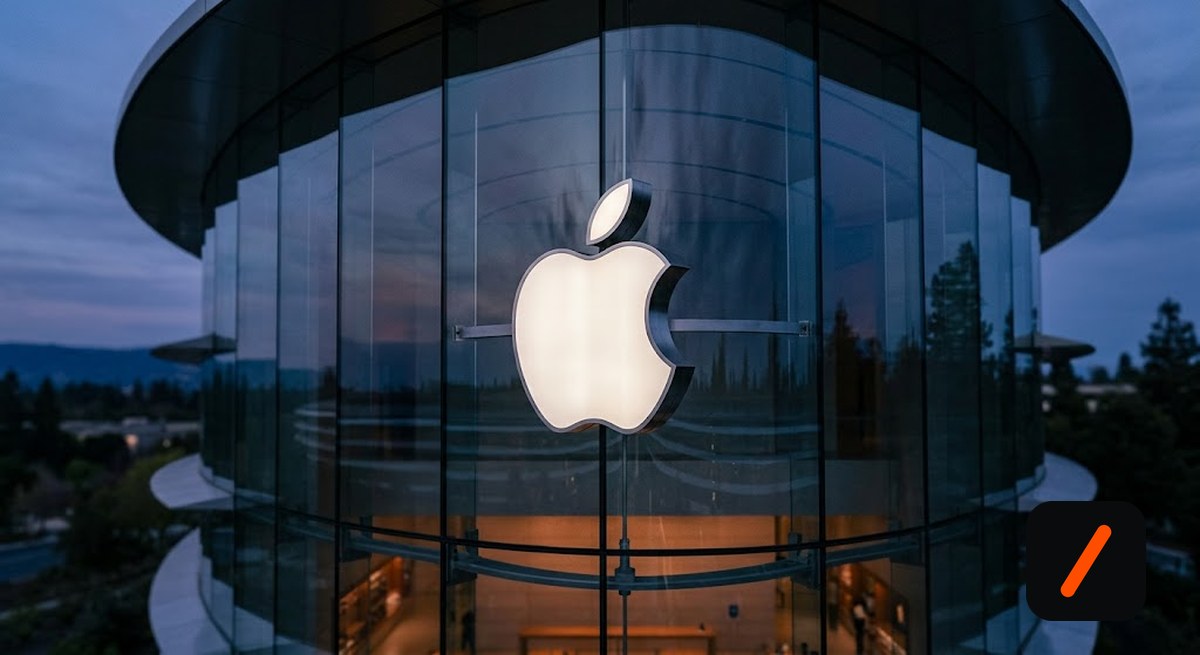
Apple sued OpenAI on Friday, July 10, in federal court in Northern California, accusing the AI lab of stealing its trade secrets to build consumer hardware. The complaint reads bluntly: "at every level, from members of its Technical Staff to its Chief Hardware Officer, and in coordination with business partners, OpenAI has been stealing Apple's trade secrets and confidential information." It is a stunning break between two companies that were partners as recently as 2024, and it names two former Apple engineers as co-defendants.
- Apple filed the suit in the Northern District of California late Friday, alleging OpenAI "turned to trade secret misappropriation to free-ride off Apple's decades of innovation" while building its own hardware.
- The named individuals are Tang Tan, a former Apple VP who now serves as OpenAI's chief hardware officer, and Chang Liu, an eight-year Apple systems engineer. Both are also sued for breach of contract.
- Apple says Tan directed job candidates still at Apple to bring "actual parts" for "show and tell" sessions, and that Liu failed to return an Apple laptop after leaving and had used it to download confidential technical documents.
- The suit targets io Products, the hardware startup OpenAI acquired, but does not name Jony Ive or Sam Altman as defendants. Apple says its existing Siri and ChatGPT partnership is not at issue.
What exactly is Apple alleging?
Apple's core claim is that OpenAI, racing to build a dedicated AI hardware device, chose to shortcut years of Apple engineering by hiring its people and harvesting what they knew and, in some cases, what they physically carried out. The filing says OpenAI "has turned to trade secret misappropriation to free-ride off Apple's decades of innovation." Apple frames it as coordinated rather than incidental, reaching from individual engineers up to OpenAI's chief hardware officer and out to business partners.
RelatedApple Tells 40 Ex-Staff at OpenAI to Preserve Data
The most vivid detail involves interviews. Apple says Tang Tan directed job candidates who still worked at Apple to bring "actual parts" from Apple to their OpenAI interviews for "show and tell" sessions, so that Tan and his team "can elicit still more Apple confidential information." Apple also alleges Tan improperly retained an internal managers' document marked "Need to Know" that describes the security procedures Apple follows when employees depart.
Who are Tang Tan and Chang Liu?
Tang Tan is an Apple veteran who worked on the iPhone and Apple Watch and rose to vice president before leaving. He is now OpenAI's chief hardware officer and co-founded io Products, the hardware vehicle OpenAI later acquired. Chang Liu spent eight years at Apple as a senior systems electrical engineer. Apple alleges Liu failed to return an Apple-issued laptop after leaving for OpenAI in 2026 and had used that machine to download confidential Apple technical documents, then advised at least one Apple colleague on what to study before an OpenAI interview. Both men are named for breach of contract for allegedly violating their agreements with Apple.
| Detail | Apple's claim | What is not alleged |
|---|---|---|
| Lead defendant | OpenAI + io Products | Jony Ive not named |
| Executives | Tang Tan (chief hardware officer) | Sam Altman referenced, not a defendant |
| Individuals | Tan and Chang Liu, breach of contract | No criminal charges (civil suit) |
| Method | Hiring, retained devices, "show and tell" | No claim of a single hack or breach |
| Siri deal | Existing ChatGPT partnership stands | 2024 integration not at issue |
Why did a partnership turn into a lawsuit?
This is the part most coverage rushes past. Apple and OpenAI signed a high-profile deal in 2024 to fold ChatGPT into the iPhone and Siri. Apple is careful in the complaint to say that agreement is not what it is fighting about. The friction is hardware. OpenAI has been building a physical AI device, and it staffed that effort heavily from Apple: the suit notes that more than 400 former Apple employees now work at OpenAI. When a rival hires your former iPhone team to build a competing gadget, the line between a departing engineer's general skill and your protected trade secrets gets tested fast. Apple says it tried to settle privately first, sending OpenAI a letter in February that it says went unanswered.
- 2024Apple and OpenAI partner to put ChatGPT into iPhone and Siri. The deal Apple says is not at issue.
- 2025OpenAI acquires io Products and builds a dedicated hardware team. Staffed by ex-Apple engineers.
- Feb 2026Apple sends OpenAI a letter raising trade-secret concerns. Apple says it received no response.
- Jul 10, 2026Apple files suit in the Northern District of California. OpenAI, Tan, and Liu named.
- NextOpenAI response, and a possible countersuit. OpenAI was reportedly weighing its own claim.
What is Apple asking the court to do?
Apple wants an injunction barring OpenAI from using or disclosing its trade secrets, an order forcing OpenAI to return any confidential Apple materials, and preservation of evidence tied to the case. It is also seeking damages. The individual breach-of-contract claims against Tan and Liu run alongside the trade-secret claims against OpenAI. Notably, this is a civil action, not a criminal referral, so the immediate stakes are money, an injunction, and the discovery process that could expose how OpenAI's hardware program was actually built.
RelatedOpenAI Moves to Kill Apple's Trade Secrets Lawsuit
What it means for the market
The signal for investors is that OpenAI's hardware ambition now carries legal risk, not just execution risk. A trade-secret injunction, if granted, could slow or reshape the device OpenAI is building with io Products, and discovery could force awkward disclosures about its supply chain and design process. For Apple (NASDAQ: AAPL), the suit is as much about deterrence as damages: with 400-plus alumni at OpenAI, Apple is drawing a hard line around what departing engineers can take. Watch whether OpenAI's rumored countersuit over the Siri deal materializes, because a two-front legal fight between the most valuable hardware company and the most valuable AI lab would ripple across every partner caught in between.
- OpenAI's response. A flat denial versus a countersuit over the Siri partnership will set the tone for how ugly this gets.
- The injunction fight. If Apple wins early relief, OpenAI's hardware timeline is the first casualty.
- Discovery. Subpoenas could reveal how io Products was staffed and what those ex-Apple engineers actually brought with them.
- The talent chill. A win for Apple would make every big tech firm rethink how aggressively rivals can poach a hardware team.
Our take
The "show and tell" allegation is the detail that makes this more than a routine talent-poaching spat. Hiring a competitor's engineers is legal and normal; asking candidates to smuggle in "actual parts" and retaining a document that spells out your former employer's departure-security playbook is the kind of specific, hard-to-explain conduct that trade-secret cases are built on. Apple clearly thinks it has the receipts, or it would not be picking a public fight with a partner it still does business with. The restraint in the complaint is telling too: no Jony Ive, no Sam Altman, no attempt to blow up the Siri deal. That reads like a company that wants to win a narrow, provable case, not a scorched-earth war. If even a fraction of the specifics hold up in discovery, OpenAI's hardware push just got a lot more complicated, and the era of Silicon Valley treating Apple's alumni network as an open buffet may be ending.
- ReportingTechCrunch Apple sues OpenAI over alleged trade secret theft
- ReportingCNBC Apple says scheme was "at every level"
- ReportingMacRumors Details on Tang Tan, Chang Liu, and io Products
- ReferenceApple Newsroom official company statements
Original analysis by GenZTech. Figures current as of July 2026.