
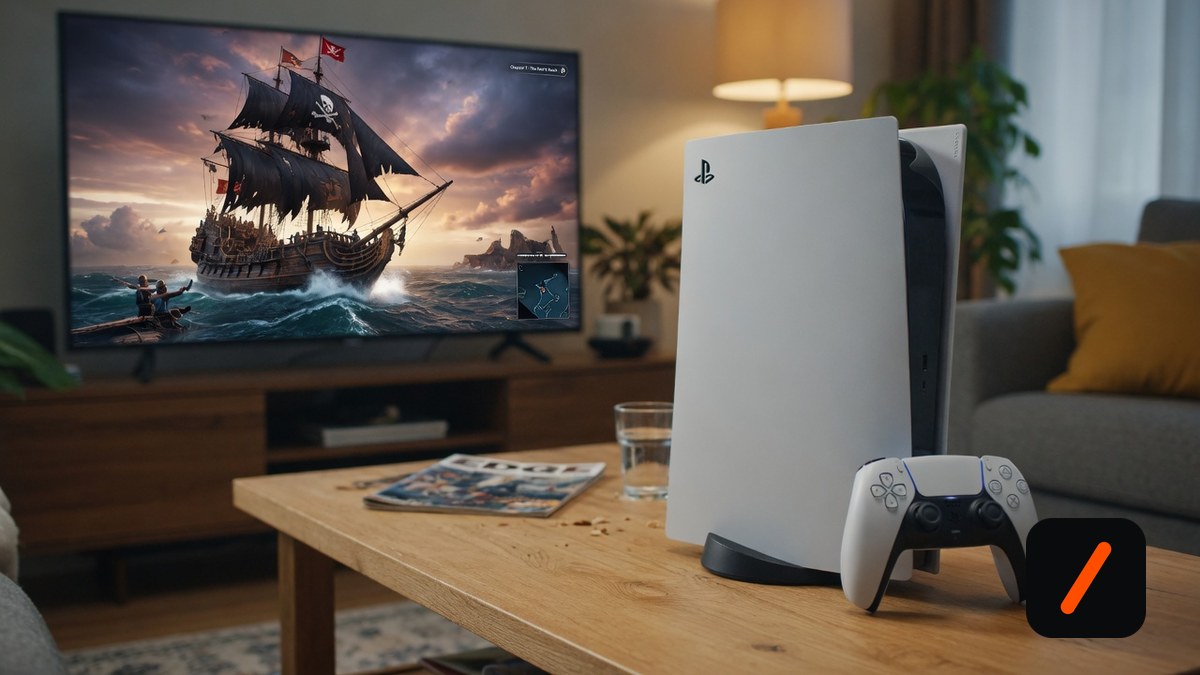
Assassin's Creed Black Flag: Resynced is Ubisoft's ground-up remake of Assassin's Creed IV: Black Flag, the 2013 pirate adventure that many fans still consider the best game the series ever made. Edward Kenway, his ship the Jackdaw, and the open Caribbean return with rebuilt visuals and reworked systems for modern hardware. For a franchise that has spent years chasing sprawling RPG epics, going back to remake its most beloved entry is both a nostalgia play and a quiet admission of what made the series special.
- Black Flag: Resynced is a full remake of the 2013 fan-favorite, not a remaster, with rebuilt graphics and updated mechanics.
- It returns to Edward Kenway and open-world naval piracy, the era of the series many players rate highest.
- It is one of the summer's two headline remakes, alongside Halo: Campaign Evolved.
- The move signals Ubisoft mining its back catalog for reliable hits amid a turbulent stretch for the studio.
Why remake Black Flag specifically?
Because it is the entry the fanbase never stopped loving. Black Flag arrived in 2013 and, somewhat by accident, nailed a fantasy the series had only flirted with: being a pirate captain, sailing an open sea, boarding ships, hunting for treasure, and singing sea shanties with your crew. The stealth-assassin story became almost secondary to the freedom of the ocean. Remaking it is low-risk in the sense that the appeal is proven, and high-value in that a modern rebuild can deliver the version of Black Flag people remember rather than the one that actually shipped on last-generation hardware. It is the safest nostalgia bet in Ubisoft's catalog.
RelatedAssassin's Creed Black Flag Remake Sets Sail July 9
What does "Resynced" actually mean?
The naming matters. A remaster typically upscales textures and boosts resolution while running essentially the same game on the old engine, cheap, fast, and limited. A remake rebuilds the assets and often the underlying systems on modern technology, which is far more expensive and far more ambitious. By branding this "Resynced" rather than "Remastered," Ubisoft is signaling the more involved path: reworked visuals and updated mechanics, not just a coat of paint. The risk is proportional. Remakes invite direct comparison to a cherished original, and if the reworked systems lose what made the 2013 version feel free and alive, fans will notice immediately.
What does it say about Ubisoft?
Ubisoft has had a rocky run, and leaning on its back catalog is a rational response. Remaking a guaranteed fan-favorite is more predictable than gambling on a brand-new open world, and Black Flag: Resynced lets the studio deliver something players already want while it sorts out its bigger strategic questions. It also fits a wider industry pattern in 2026, a summer defined by high-profile remakes rather than bold new IP, as publishers hedge against rising development costs by revisiting proven hits. Safe is not automatically bad; a great remake of a great game is a genuinely good outcome. But a catalog can only be mined so many times before the well of nostalgia runs dry.
Our take
Black Flag is the rare Assassin's Creed entry that transcended the franchise, and remaking it is an easy call that is also easy to get wrong. The opportunity is to deliver the idealized pirate fantasy modern hardware can finally support; the danger is sanding off the loose, improvisational charm that made the original special in pursuit of polish. If Resynced respects what worked, the naval freedom, the sense of a living Caribbean, the low-friction fun, it could become the definitive version and a genuine highlight of the year. If it over-engineers the formula, it will be a competent remake of a game people would rather just replay. Either way, Ubisoft returning to Black Flag is a reminder that the series was at its best when it stopped taking itself so seriously and let you be a pirate.
RelatedHalloween: The Game Launches With Michael Myers and Rough Edges
- Naval feel. The sailing and ship combat are the soul of Black Flag; nail those and the remake works.
- System changes. Whether reworked mechanics modernize or dilute the original is the key risk.
- Ubisoft's direction. A catalog-mining strategy needs a new-IP plan behind it to be sustainable.
Why remakes are suddenly everywhere
The remake boom is an economic story as much as a creative one. Modern AAA development has grown so expensive and so risky that a proven property with built-in demand is one of the safest bets a publisher can make. A remake ships with a ready audience, a known design that works, and marketing that writes itself on nostalgia alone. It also lets studios keep teams busy and revenue flowing while their riskier original projects churn through longer, costlier cycles. The downside is creative stagnation: an industry that leans too hard on its own past eventually runs short of the new classics it will want to remake a decade from now. Black Flag: Resynced is a smart individual bet inside a trend that, taken to its logical end, quietly narrows what games get made at all.
Original analysis by GenZTech. Figures current as of July 2026.