
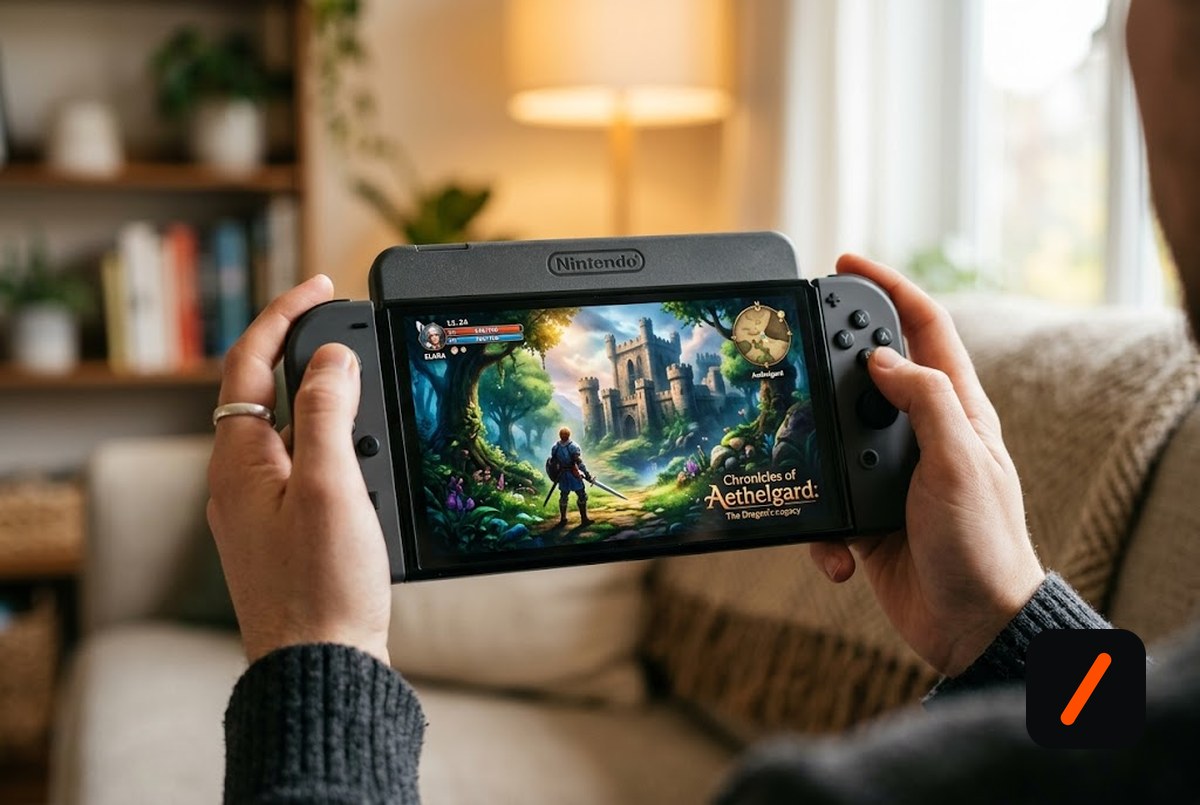
Final Fantasy X and X-2 are coming to Switch 2, and the version arriving is the good one: the remaster that folds in the quality-of-life features PC and previous-gen players have enjoyed for years, including enhanced visuals, a high-speed mode, and a toggle to turn off random encounters. In a July that is thin on blockbuster releases, this is not the flashiest launch, but it is a clean case study in how a 25-year-old RPG stays commercially alive. Our take: the smart money in gaming is increasingly on curating back catalogs for new hardware, and Final Fantasy X is the model franchise for it.
- Square Enix brings Final Fantasy X and X-2 to Switch 2, bundling the full package.
- The remaster includes enhanced visuals, high-speed mode, and a random-encounter toggle.
- Switch 2 backward compatibility means the game reaches both new and returning players.
- It exemplifies the industry's back-catalog strategy: re-selling proven classics on each new console.
What exactly is releasing?
This is the HD Remaster package, meaning both Final Fantasy X and its direct sequel X-2, running on Switch 2 with the enhancements that have accumulated over successive ports. The headline conveniences are the ones long-time fans care about: a high-speed mode that fast-forwards grinding, and the ability to switch off the random battles that defined, and sometimes exhausted, the 2001 design. Switch 2's backward compatibility is doing quiet work here, letting the game reach the new console's audience without a ground-up remake.
RelatedHigh on Life 2 lands on Switch 2 with its talking guns
Why does a 2001 game still matter?
Final Fantasy X was a landmark: it introduced voice acting to the mainline series, ditched the world map for a linear cinematic structure, and told a story people still rank among the best in the genre. That durability is exactly why Square Enix keeps re-releasing it. Every new console is a new install base that either never played it or wants to replay it, and a remaster is far cheaper to ship than new content. The random-encounter toggle is the tell, a small mercy that modernizes a dated system without touching the story.
What does this say about the industry?
July 2026 is a light month for big new releases, with the calendar deliberately clearing space around the year's blockbusters. Into that gap flow remasters and back-catalog ports, and that is not an accident. Re-selling a proven classic carries a fraction of the risk of a new AAA game, and libraries have become a genuine competitive asset: the console with the deeper catalog of playable classics has a real advantage. Final Fantasy X is the poster child, a game that has earned its budget back many times over by simply moving to each new platform.
Who is this for?
Two audiences. Newcomers who bought a Switch 2 and never touched a PS2 get one of the genre's defining stories with the rough edges filed off. And returning fans get the definitive, most convenient version to replay on a portable that finally has the horsepower to do it justice. Neither group needs a remake; they need the classic, made frictionless.
RelatedFinal Fantasy VII: Revelation ends the remake trilogy in 2027
- 2001Final Fantasy X ships on PS2 voice acting arrives in the mainline series
- 2013+HD Remaster with X-2 visual and audio overhaul
- Prior gensPorts add QoL features high-speed mode, encounter toggle
- 2026Switch 2 release the definitive portable version
Why Switch 2 specifically?
Two reasons, one technical and one commercial. Technically, Switch 2 finally has the horsepower and the backward-compatibility layer to run the remaster cleanly in both handheld and docked modes, which the original Switch struggled to do justice for the more demanding entries in the series. Commercially, a new console launch is a fresh install base of tens of millions of players, a mix of newcomers who never owned a PlayStation 2 and lapsed fans looking for a reason to replay. A remaster is the lowest-risk way to monetize that audience: the game already exists, the enhancements are incremental, and the story needs no updating. This is the quiet strategy reshaping the industry. As new-release budgets balloon and timelines stretch, back catalogs have become a durable competitive moat, and the platform with the deeper library of playable classics wins players who are between big releases. July 2026 being a light month for blockbusters is not a coincidence; publishers deliberately clear space around the year's tentpoles, and remasters like this one flow into the gap. Final Fantasy X, first released in 2001, has now earned its development cost back many times over simply by moving to each new platform, which is exactly the outcome every publisher wants from its catalog. For Square Enix specifically, the series remains one of its most valuable back-catalog assets, and each console generation is another opportunity to reintroduce it to players who were not born when it first shipped.
- Catalog strategy. Expect more classic ports timed to fill gaps around the year-end blockbusters.
- Switch 2 attach rate. Back-catalog value helps sell the new hardware to lapsed players.
- Remaster vs remake. The economics favor remasters until a franchise needs a headline.
- OfficialSquare Enix product announcements publisher primary
- ReferenceNintendo Switch 2 software listings platform listing
Original analysis by GenZTech. Primary source: Square Enix.