
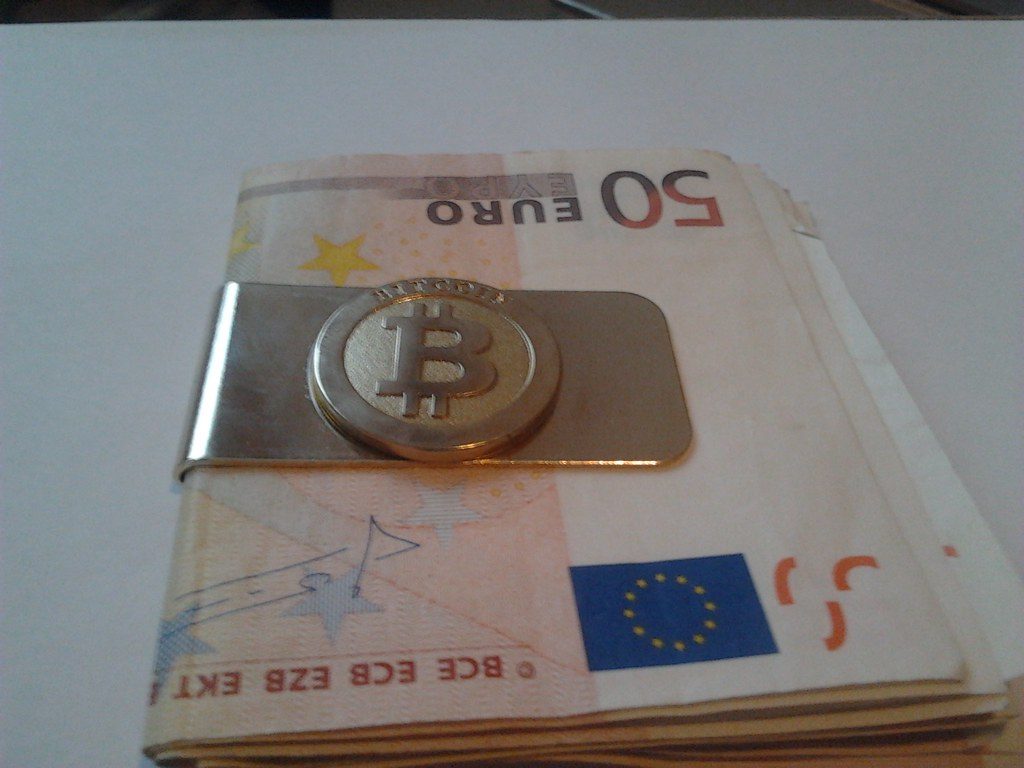
In wealthy countries, crypto is mostly a speculative asset, a thing to trade and argue about. But in places where the local financial system is broken, it can be something else entirely: a practical tool people use out of necessity, not speculation. This quieter utility is easy to miss from a stable economy, and it is one of the more genuine cases for the technology.
The problem it addresses
In countries suffering from severe inflation, currency controls, or unreliable banks, holding and moving money is genuinely hard. A national currency that loses value rapidly punishes anyone who saves in it. Banks may be unstable, inaccessible, or subject to restrictions that trap people's own money. Sending or receiving funds across borders can be slow, expensive, or blocked. For people in these situations, the financial system is not a convenience but an obstacle, and the usual advice, just use a bank, does not apply.
RelatedThe CLARITY Act Isn't Stuck on Crypto Rules. It's Stuck on Ethics.
Why crypto can help here
Against that backdrop, crypto's properties become practical rather than theoretical. A stable digital asset pegged to a strong currency lets someone preserve value when their own money is collapsing. A borderless network lets people receive remittances or move funds without depending on banks that may not serve them. Access requires little more than a phone, sidestepping institutions that have failed or excluded them. The same features that look like solutions in search of a problem in a stable economy answer real, urgent problems in a broken one.
The role of stablecoins specifically
It is usually not volatile speculative tokens doing this work, but stable, dollar-pegged ones. People in unstable economies are not trying to gamble; they are trying to protect what they have and transact reliably. A digital dollar-equivalent that holds its value and moves freely is exactly the tool for that. The use case that stuck globally, stablecoins, is the same one delivering the most genuine utility where local money is failing.
The honest caveats
None of this makes crypto a clean solution. It carries real risks for vulnerable users: price swings in non-stable assets, scams that prey on the desperate, the danger of losing access to your own funds through a mistake, and uncertain legal status that can change overnight. Using crypto out of necessity is often a response to bad options, not a discovery of a perfect one. The utility is real, and so are the hazards, especially for those who can least afford a loss.
RelatedCrypto Stocks Crater Even as Bitcoin Rebounds
Why it matters
The use of crypto in broken economies is the strongest counter to the view that the whole space is pure speculation. For people failed by their financial systems, a borderless, accessible, stable store of value is a genuine improvement on the alternatives, not a casino. Seeing this requires looking beyond stable, wealthy countries, where the technology's necessity is invisible. It is a reminder that the same tool can be a toy in one place and a lifeline in another.
It is worth stressing that this utility coexists with real danger for the same users, volatility in the wrong assets, scams, and the permanence of mistakes can hurt people who can least afford a loss. The honest picture is neither crypto-utopia nor pure speculation, but a tool that genuinely helps in bad situations while carrying risks that demand caution.
Analysis by GenZTech.