
DAWN, a Solana-based decentralized physical infrastructure network, is pitching one of the boldest analogies in crypto: it wants to do to internet access what rooftop solar did to electricity, letting people own, generate, and sell their own connectivity instead of renting it from a handful of incumbent ISPs. Backed by $48.5 million from names like Polychain and Dragonfly, DAWN is running a testnet and browser extension ahead of a token launch expected around mid-2026. Our take is that the vision is genuinely disruptive and the backers are serious, but rewiring the last mile is a far harder physical problem than minting a token.
- DAWN is a Solana DePIN aiming to decentralize internet service so consumers can own and resell bandwidth.
- It raised $48.5M from Polychain Capital, Dragonfly, ParaFi, Robot Ventures, CMT Digital, and Wintermute.
- A testnet and browser extension let users earn DAWN Points now; a token generation event is expected around mid-2026.
- Of a planned 1 billion token supply, 25% is earmarked for the community of node operators.
What is DAWN actually trying to build?
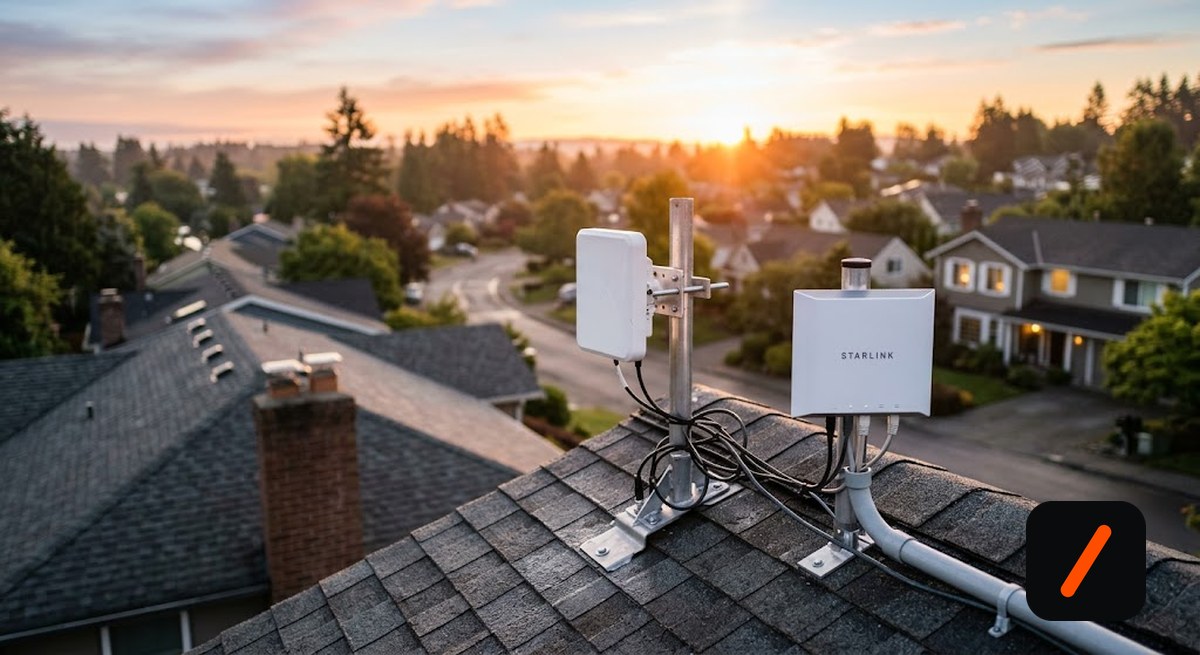
DAWN is a decentralized physical infrastructure network on Solana whose goal is to break the last-mile internet monopoly. Its analogy is deliberate: just as rooftop solar let households generate and sell electricity instead of only buying it from a utility, DAWN wants people to own the equipment that delivers internet and resell connectivity to their neighbors, coordinated and compensated through a token. Instead of one incumbent ISP wiring every home, you get a mesh of independent operators, each rewarded on-chain for the bandwidth they provide. It is DePIN applied to the most entrenched local monopoly most people deal with.
RelatedGrass Hits 2.5M Nodes Selling Bandwidth for AI Web Data
Who is backing it, and how do you participate?
The cap table is the credibility signal. DAWN raised $48.5 million from Polychain Capital, Dragonfly, ParaFi Capital, Robot Ventures, CMT Digital, and Wintermute, a roster of serious crypto investors that does not typically fund vaporware. For now, participation is light: a testnet and a browser extension let users run a node and earn DAWN Points by contributing, with those points expected to convert into a future airdrop. A token generation event is anticipated around mid-2026, and of a planned 1 billion supply, roughly a quarter is set aside for the node-operator community. The final tokenomics have not been fully published.
Why is this so much harder than it sounds?
Because internet access is a physical, capital-intensive, heavily regulated business, not just a coordination problem a token can solve. Delivering real connectivity means hardware, backhaul to the wider internet, reliability guarantees, and compliance with local telecom rules, none of which a points program creates. DePIN has a recurring pattern here: token incentives are great at bootstrapping supply, but the networks that endure are the ones where paying customers actually show up for the service, not the emissions. DAWN's rooftop-solar framing is inspiring, but solar succeeded on hard economics and subsidies, and connectivity has its own stubborn physics and incumbents with deep pockets.
How does DAWN differ from other DePIN wireless bets?
The connectivity corner of DePIN is getting crowded, and DAWN's position within it is worth pinning down. Helium proved a token can bootstrap a wireless network and even strike carrier-offload deals, but it took years and a hard pivot to mobile to find real revenue. Roam unifies WiFi and eSIM roaming with a live token, and a wave of others chase bandwidth-sharing and mapping. DAWN's distinction is its framing around owned, resold internet access rather than opportunistic offload, the rooftop-solar model where the operator is a genuine micro-provider. That is a more radical claim on the incumbent ISP relationship, and a harder one to deliver, because reselling real connectivity invites real regulatory and reliability obligations that a passive coverage network can sidestep. The upside if it works is proportionally larger; so is the execution risk.
RelatedWingbits Turns Flight Tracking Into a Solana DePIN Network
- Mainnet and TGE. Whether DAWN ships its token and mainnet on the mid-2026 timeline.
- Real service. Evidence that operators deliver usable internet, not just farm points.
- Tokenomics. The final supply split and whether emissions align with genuine demand.
Our take
DAWN is one of the more ambitious DePIN bets around, and the funding tells you smart money thinks the last-mile monopoly is worth attacking. The rooftop-solar analogy is the right kind of audacious, and if any category is ripe for disruption, it is the local ISP most people cannot stand and cannot switch. The sober counterpoint is that this is telecom, where the hard part has always been the physical build and the regulation, not the incentive design. We would treat the current testnet-and-points phase as pure speculation, judge DAWN on whether real customers get real bandwidth after the token launches, and remember that in DePIN the projects that last are the ones where usage, not emissions, pays the bills. The vision is worth rooting for; the execution bar is the height of an ISP.
- OfficialDAWN Network testnet, node extension, and roadmap
- ReferenceDePINscan DePIN token launch tracking
- FundingPolychain Capital lead investor
Original analysis by GenZTech. Reporting informed by DePINscan.