
Two phrases dominate crypto's technical debates: proof-of-work and proof-of-stake. They are the two main ways a blockchain agrees on its records without a central authority, and the argument between them is unusually tribal. Stripped of the loyalty and the slogans, they are simply two different answers to the same hard question, each with real trade-offs.
The problem both solve
A decentralized network needs a way to decide whose version of the records is the real one, and to make cheating expensive, without anyone in charge. The danger is that someone could try to rewrite history or approve fraudulent transactions. Both proof-of-work and proof-of-stake are mechanisms to make doing that prohibitively costly, so that honest participation is the rational choice. They differ entirely in what they make costly.
RelatedSEC Gives Tokenized Stocks a 5-Year On-Chain Trading Exemption
How proof-of-work secures it
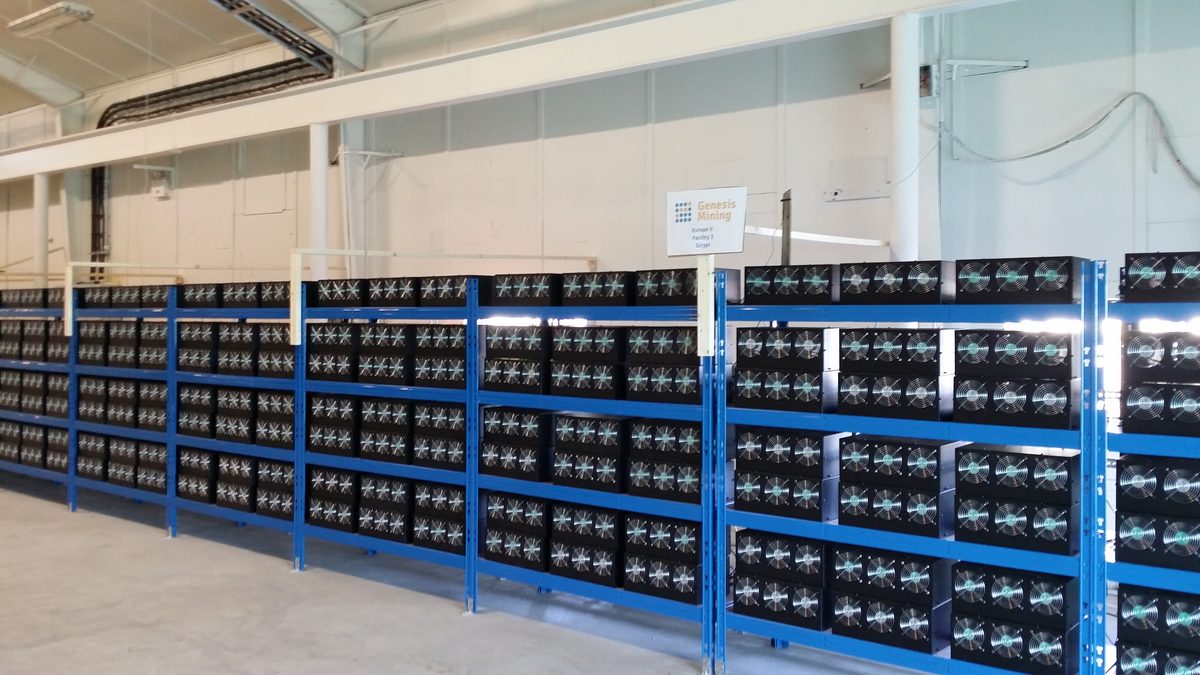
Proof-of-work makes security cost energy. Participants compete to solve a hard computational puzzle, burning enormous amounts of electricity, and the winner gets to add the next block and earn a reward. To attack the network, you would need to out-compute everyone else, which means acquiring a staggering amount of computing power and electricity. The defense is physical and expensive: the cost of attacking is the cost of the energy and hardware required to overpower the honest majority.
How proof-of-stake secures it
Proof-of-stake makes security cost capital instead of energy. Participants lock up, "stake", a quantity of the cryptocurrency as collateral, and are chosen to validate blocks in proportion to what they have staked. If they cheat, they lose their stake. To attack the network, you would need to control a huge share of the staked currency, which is enormously expensive and would also devalue the very asset you hold. The defense is financial: cheating costs you your collateral and undermines your own holdings.
The real trade-offs
The headline difference is energy. Proof-of-work consumes vast amounts of electricity by design, which is its most criticized feature; proof-of-stake uses a tiny fraction of that, which is its biggest selling point. In return, defenders of proof-of-work argue its security is simpler and more battle-tested, anchored in physical cost rather than in the network's own token. Proof-of-stake is more efficient and has become the modern default for new networks, while the largest, oldest network still relies on proof-of-work.
RelatedThe CLARITY Act Isn't Stuck on Crypto Rules. It's Stuck on Ethics.
Why the tribalism misses the point
The fierce loyalty on each side obscures that this is an engineering trade-off, not a moral one. One prioritizes a security model rooted in real-world energy cost; the other prioritizes efficiency and a financial security model. Both can secure a network; they make different bets about what kind of cost best deters attackers and what downsides are acceptable. Treating it as a question of allegiance rather than trade-offs is how the debate became more heat than light.
Why it matters
Proof-of-work versus proof-of-stake is the clearest example of crypto's tendency to turn engineering choices into tribal identity. Understood plainly, they are two reasonable mechanisms for securing a decentralized network, one through energy, one through staked capital, each with genuine strengths and costs. Seeing them as trade-offs rather than teams is the difference between understanding the technology and just cheering for a side.
Analysis by GenZTech.