
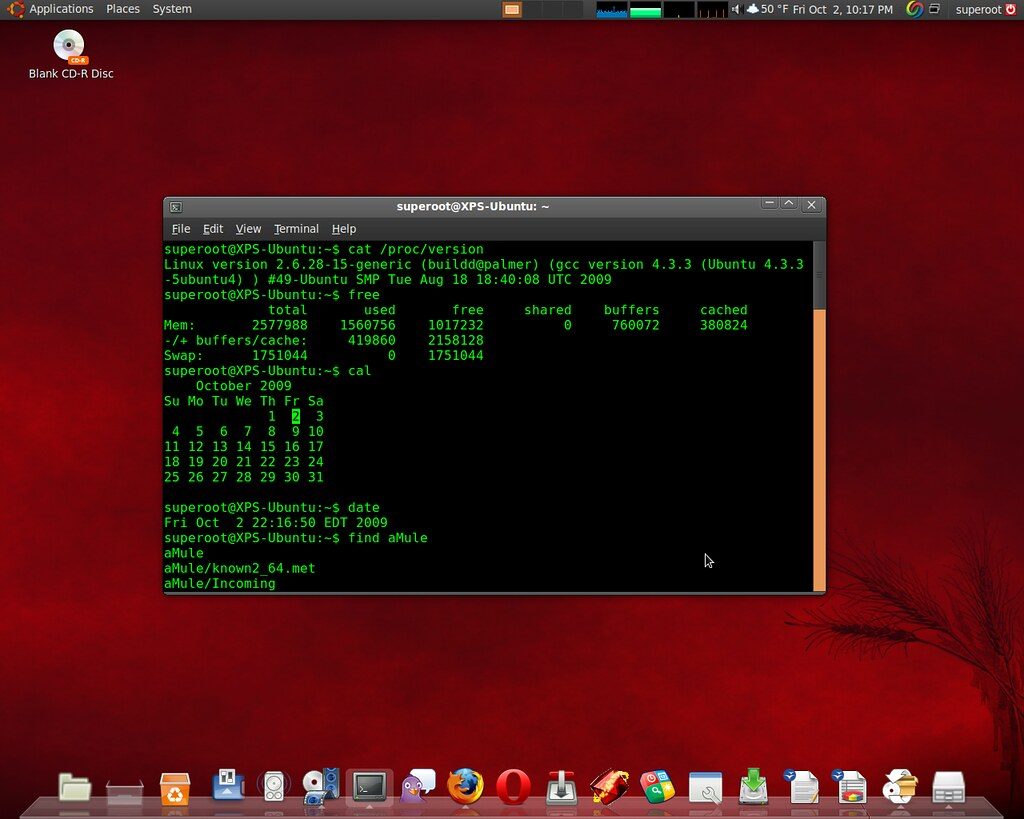
In an age of polished graphical apps, the command line looks like a relic, a blinking cursor on a black screen. Yet it refuses to die, and the most productive engineers still live in it. That persistence is not stubbornness or nostalgia. The command line has properties that no graphical interface has managed to replace.
Composability is the killer feature
The deepest idea behind the command line is small tools that do one thing well, combined with pipes that feed the output of one into the input of the next. A graphical app gives you exactly the buttons its designer imagined. The command line gives you primitives you can chain into combinations nobody anticipated, search a file, filter the results, count them, sort them, all in one line you assemble on the fly. That combinatorial power is something menus and buttons fundamentally cannot offer.
RelatedGoogle Play Age Signals Goes Global: Inside the 4 Tiers
It is scriptable
Anything you can type, you can save and run again. A sequence of commands becomes a script; a script becomes automation. Repetitive work that would mean clicking through a GUI a hundred times becomes a loop that runs in seconds. This is the difference between doing a task and teaching the machine to do it forever. The command line is not just an interface for actions, it is a way to capture and replay intent.
It is fast and precise
For someone fluent, typing a command is faster than navigating menus, and it is exact. There is no ambiguity about what "delete these files matching this pattern" means; the command says precisely what it does. That precision matters most when the stakes are high or the operation is complex, the very situations where hunting through a graphical interface is slowest and most error-prone.
It works where there is no screen
Servers do not have monitors. When you administer a machine in a data center or the cloud, you reach it over a remote connection, and what you get is a command line. The same is true for automation, deployment pipelines, and the vast machinery running behind every website. The command line is the universal interface for computers that no human is sitting in front of, which is most of them.
RelatedWindows 10 KB5099539 ESU Update Has a Networking Catch
The honest trade-off
The command line is not better for everything, and pretending otherwise is its own kind of snobbery. Graphical interfaces are far more discoverable, you can see your options instead of having to know them, and for many tasks that visibility is exactly right. The command line trades discoverability for power: it asks you to learn it, and rewards you with control and speed that a GUI cannot match. For occasional tasks the GUI wins; for repeated, precise, or remote work, the command line is unmatched.
Why it matters
The command line endures because it is built on ideas, composability, scriptability, precision, that are simply more powerful than pointing and clicking for a large class of work. New tools keep making it friendlier rather than replacing it, which tells you something. Decades of interface evolution have not produced anything better for the people whose job is to command computers rather than merely use them.
Analysis by GenZTech.