
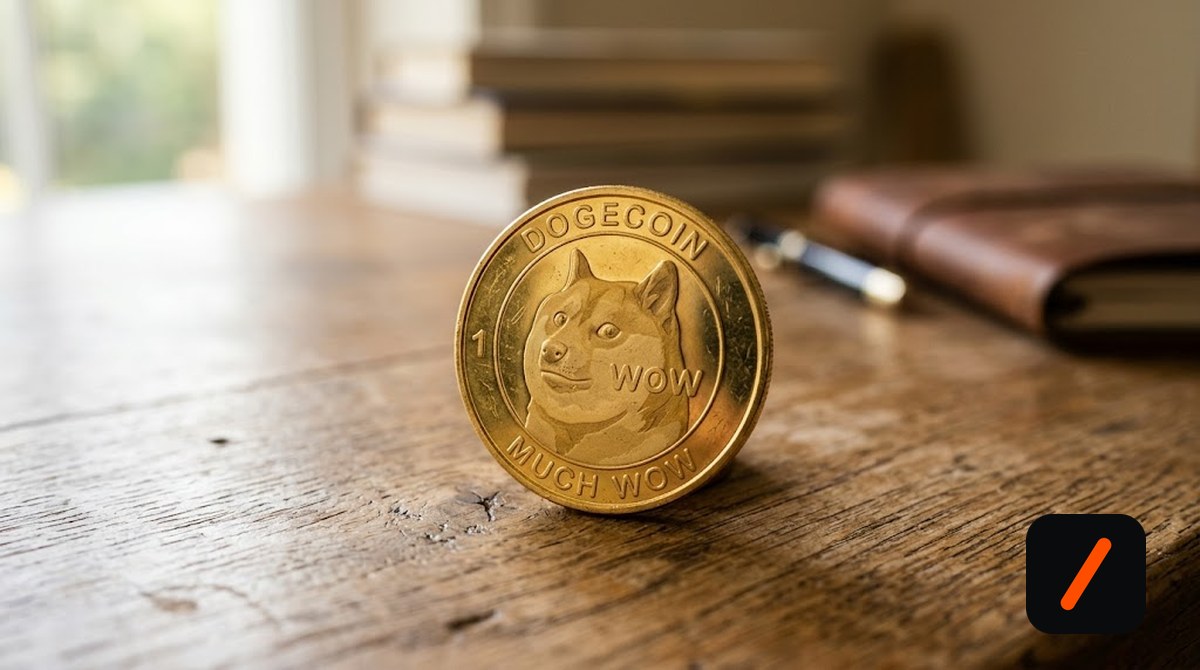
The memecoin sector just got the regulatory clarity it has wanted for years, and it came from an unlikely source. The SEC has reclassified Dogecoin and Pepe as "Digital Cultural Assets" rather than securities, removing a major legal cloud that hung over the entire meme-token market. The move says these coins are cultural artifacts driven by community and internet culture, not investment contracts, so they fall outside the securities regime. It is a genuine win for clarity. It changes nothing about how wildly risky these things remain to trade.
- The ruling. The SEC labeled DOGE and PEPE "Digital Cultural Assets," signaling they are not securities under its framework.
- The effect. It lifts a long-standing regulatory overhang, reducing the legal risk of listing and trading meme tokens in the US.
- The logic. Meme coins with no central issuer promising returns look more like cultural phenomena than investment contracts.
- The caveat. Not a security does not mean not dangerous; volatility, manipulation, and rug risk are unchanged.
What did the SEC decide?
The agency created, in effect, a new bucket. Rather than forcing meme coins into the securities framework, which would subject exchanges and issuers to registration, disclosure, and enforcement, it categorized Dogecoin and Pepe as "Digital Cultural Assets." The reasoning tracks a long-running debate: the classic test for a security is an investment contract where you expect profits from the efforts of others. A meme coin with no central company, no promised returns, and value driven by community and internet culture fits that test poorly. Calling them cultural assets acknowledges what they functionally are, tokens whose worth is social and reflexive rather than tied to an enterprise's performance.
RelatedDogecoin: how a joke became a top cryptocurrency
Why does this matter for the sector?
Regulatory uncertainty has been a persistent drag on memecoins. Exchanges risked enforcement for listing tokens that might later be deemed unregistered securities, and that legal ambiguity kept some platforms and institutions at arm's length. Removing that cloud lowers the compliance risk of listing and trading the biggest meme tokens in the US, which can improve access and liquidity. It also gives the two flagship names, Dogecoin and Pepe, a clearer status that could smooth the path for related products, including the spot DOGE ETF applications sitting with the SEC from firms like 21Shares and Bitwise. Clarity is genuinely valuable in a sector that has operated under a permanent legal question mark.
Does this make meme coins safer?
No, and this is the part traders must not misread. "Not a security" is a legal classification, not a safety rating. It means these tokens sit outside the SEC's investor-protection rules, which is arguably the opposite of protective: fewer disclosure requirements, less recourse, and a clear signal that you are on your own. The underlying market dynamics are unchanged and brutal. Research this year found the median memecoin holding time down around 100 seconds, sniper bots capturing large chunks of supply in a token's first blocks, and the vast majority of launches flagged as high risk. Extreme volatility, coordinated manipulation, and rug pulls are all still standard. Reduced regulation removes a legal risk while leaving every market risk fully intact.
What about every other meme coin?
The ruling names Dogecoin and Pepe specifically, and that precision cuts both ways. It gives the two flagship tokens clear standing, but it leaves the thousands of newer, smaller meme coins in a grayer zone. A brand-new token launched on a Solana launchpad, with anonymous creators and a coordinated wallet cluster holding much of the supply, looks far less like an organic cultural phenomenon and far more like a scheme, and regulators may treat it accordingly. So the practical read is that the "cultural asset" logic protects tokens with genuine, years-long, decentralized communities, not fresh launches designed to extract money fast. If anything, that sharpens the line between the handful of durable memes and the disposable majority, which is a useful distinction for anyone trading the sector to internalize.
RelatedMemecoins, explained: the internet’s casino, decoded
- DOGE ETF path. Whether the clearer status accelerates approval of spot Dogecoin ETFs.
- Exchange listings. If US platforms broaden meme-token access now that legal risk is lower.
- Scope creep. Whether the "cultural asset" label extends to other meme coins beyond DOGE and PEPE.
- Consumer protection. How regulators address rug pulls and manipulation outside the securities regime.
Our take
Honestly, this is the right call intellectually and a risky one culturally. Forcing memecoins into securities law was always an awkward fit, and a distinct "cultural asset" category is a more honest description of what a token like Dogecoin actually is: an internet phenomenon, not a company. So the clarity is welcome and probably overdue. The danger is how it will be read. A lot of retail traders will hear "the SEC blessed meme coins" and pile in, when the actual message is closer to "you are officially outside investor protections, trade at your own peril." Both things are true at once. The legal fog just lifted, and the market underneath is exactly as treacherous as it was yesterday. If you play in the trenches, understand the difference. For the fundamentals of how these markets really work, see our guide to spotting a rug pull.
- OfficialSEC newsroom digital-asset classification statements
- ReportingCryptoNews on the reclassification and market reaction
- ReferenceCoinGecko meme tokens sector market data
Original analysis by GenZTech. Reporting via CryptoRank.