
Most student game projects start by picking an engine. Abdelhamid Ellab's team at ESPRIT in Tunisia didn't: The Carthagenian Eagles is a 2D adventure game written in raw C on top of SDL, with collision detection, a minimap, enemy behavior, and two separate challenge systems all hand-built rather than pulled from Unity or Godot.
What The Carthagenian Eagles actually is
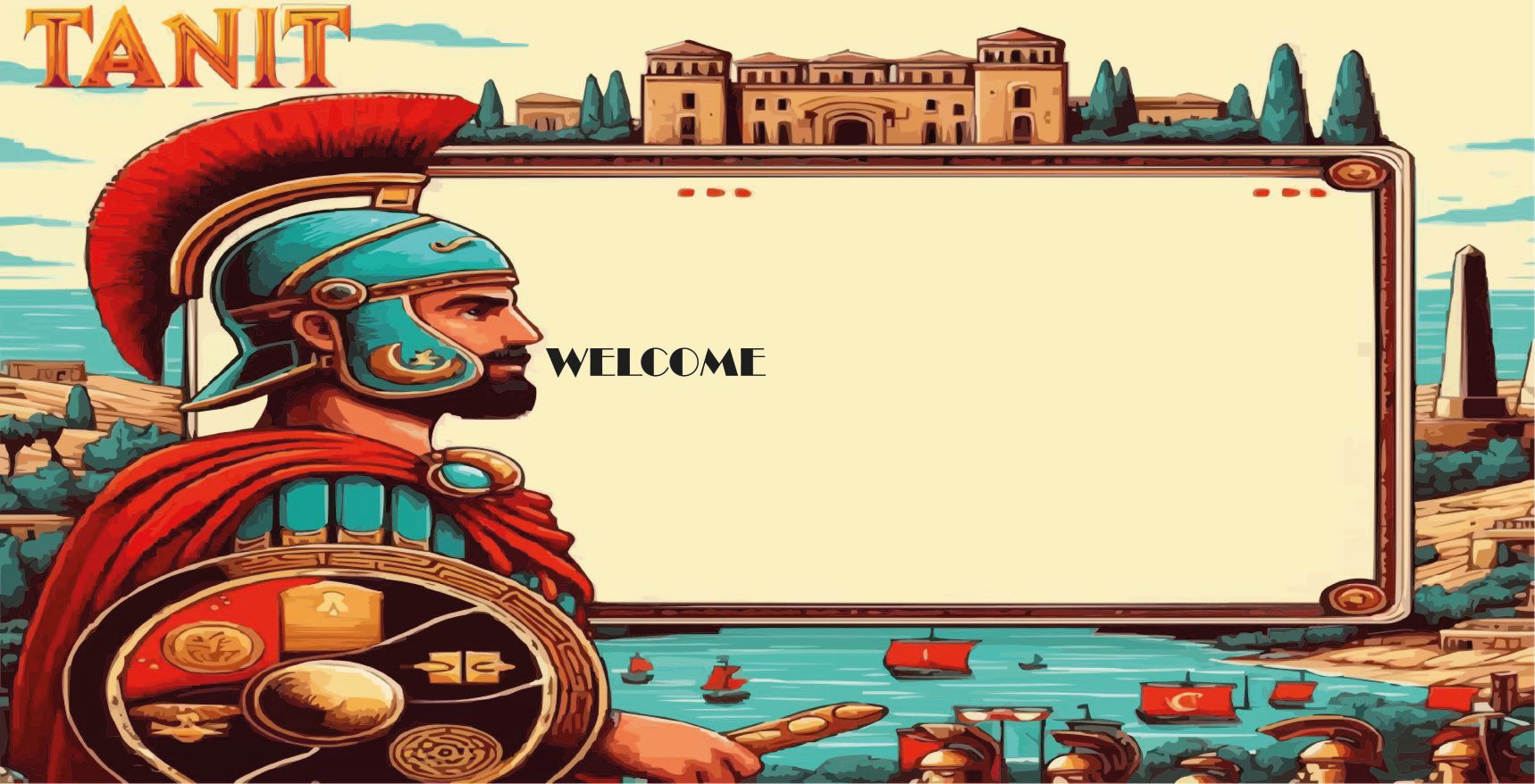
"The Carthagenian Eagles is a 2D SDL adventure game where players navigate through challenging levels, collect coins, and avoid hazards," Abdelhamid told us. "Each collision triggers either a quiz or a puzzle challenge; answering correctly allows the player to continue, while failure results in losing a life. Players start with three hearts and can regain health by collecting coins throughout the game." The Carthage setting isn't just a coat of paint either: the game's title screen leans into it directly, styled around Hannibal-era imagery under the name Tanit, the Carthaginian goddess the whole aesthetic is built around.
RelatedPlayStation Pulse and Pulse Edge Headsets Go Planar Magnetic
A mandatory assignment, built by a team
"I built this project as part of a mandatory university assignment at ESPRIT," Abdelhamid said. The hardest part wasn't any single system. "The most challenging aspect was coordinating and integrating the different tasks developed by team members into a single, cohesive game while ensuring that all systems worked together smoothly." That's a real, unglamorous problem specific to skipping an engine: without Unity or Godot's project structure doing the merging for you, getting a collision system, an enemy AI module, and a puzzle engine written by different people to actually run together on time is its own piece of engineering.
Built without a safety net
Browsing the repo backs up how literal "no engine" is here: separate hand-written modules for collision detection, enemy behavior, a minimap, and even a fully separate embedded tic-tac-toe mini-game, all wired together as one Makefile-built C project. The puzzle challenges pull from the game's own visual style too, spot-the-difference pairs built around the same Carthaginian-general-on-an-elephant artwork that anchors the title screen, rather than generic stock imagery.
| Trait | The Carthagenian Eagles | Typical class game project |
|---|---|---|
| Engine | Raw SDL2 in C, hand-written | Usually Unity, Godot, or GameMaker |
| Challenge system | Real quiz and spot-the-difference puzzle content baked into collisions | Usually just combat or platforming |
| Team integration | Collision, enemy AI, minimap, and puzzle systems merged by hand | An engine's project structure does most of the merging for you |
Our take
The genuinely interesting part of this build isn't the quiz-as-hazard mechanic on its own, it's that Abdelhamid's team built it without an engine's guardrails at all. Most student game projects that reach for Unity or Godot never have to solve the integration problem he described, because the engine solves it for them by default. Doing that merge by hand, across a minimap, enemy AI, and two separate challenge types, is exactly the kind of unglamorous systems work an engine usually hides, and it's the part he actually named as hardest rather than any single flashy feature.
RelatedLEGO's 1,911-Piece PlayStation Set Launches October 1
The Carthagenian Eagles was built by Abdelhamid Ellab and his team at ESPRIT (Private Higher School of Engineering and Technology), Tunisia. The project is open: GitHub · gameplay demo.
- Built something? Doesn't need to be finished or fancy: a side project, a hackathon build, or a class project you're proud of counts.
- Email hello@genztech.blog with what you built, why you built it, a link, and your name plus college.
- See every spotlight so far at genztech.blog/campus-radar.
Reporting based on a direct interview with Abdelhamid Ellab. GenZTech has not independently verified each individual team member's specific contribution.