
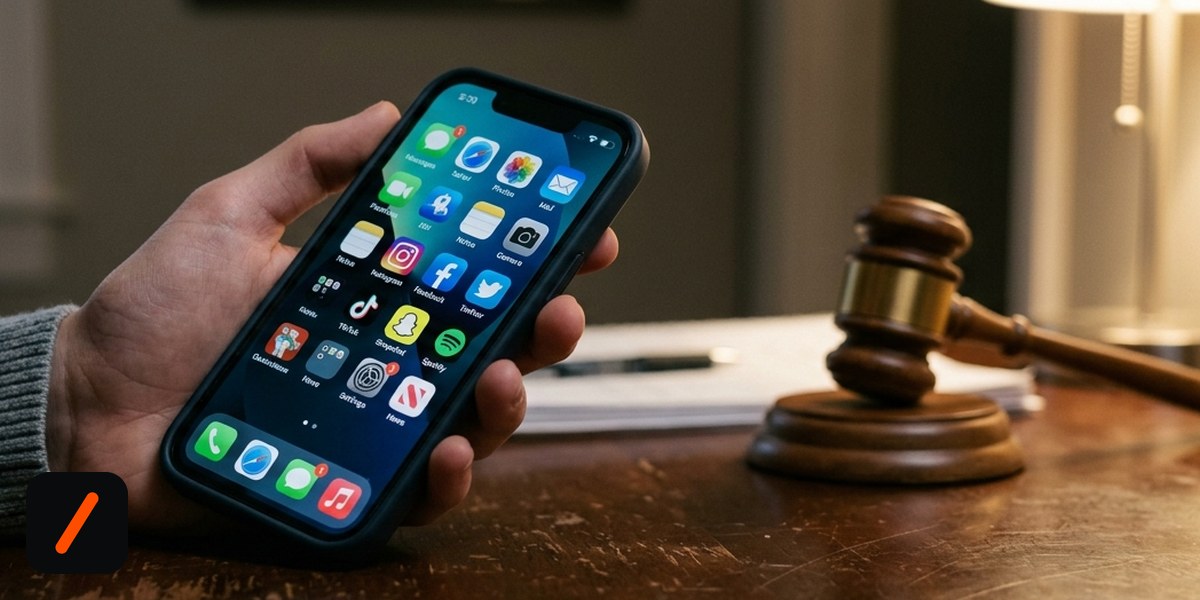
Meta just agreed to pay up to $16.68 billion (some outlets are rounding it to $18 billion) to settle claims from a coalition of 29 US states that it built Facebook and Instagram in ways that harmed kids and teenagers. It is the largest child safety settlement in American history, and unlike a lot of tech settlements, this one comes with actual behavioral limits Meta has to build and enforce, not just a check.
What did Meta actually agree to?
The headline number is $16.68 billion, split across a 29-state coalition that spent years building the case. Maryland alone is reported to net up to $327 million from the deal, according to The Daily Record's coverage of the state-level distribution. That's a small fraction of the total pool once you spread it across every state, county, and case-related cost in the settlement, but it's a real number for a single state attorney general's office to point to.
RelatedEU Finds Instagram, Facebook Addictive Design Breaks DSA
Worth separating this from a different, unrelated Meta case: back in July 2026, a separate social-media-addiction lawsuit against Meta was reportedly dropped. That was a distinct matter with a different outcome. This settlement is newer, bigger, and it ended in a payout rather than a dismissal. Don't conflate the two just because both involve Meta and addictive design claims.
What design choices were at the center of the case?
The states' case wasn't just "social media is bad for kids" in the abstract. It named specific product decisions: infinite scroll with no natural stopping point, notification timing tuned to hit teens when they're most likely to re-engage, and like counts displayed prominently enough to turn every post into a social comparison exercise. According to the reporting, Meta's own internal research had already flagged that these choices intensified compulsive use and made wellbeing worse, especially for teenage girls.
One internal study cited in the coverage found that Instagram worsened body image for 32% of teen girls who already felt bad about how they looked. That's not a hypothetical harm dreamed up by plaintiffs' attorneys. It's Meta's own data, and it's the kind of detail that makes a settlement look less like a nuisance suit and more like a company getting caught knowing.
What actually changes for teens starting now?
Two concrete mandates come out of this, and both run for a full decade. First, Meta has to cap teen use of Facebook and Instagram at two hours a day. Second, it has to block usage entirely between midnight and 6 a.m., unless a parent has explicitly consented otherwise. Meta also has to strengthen how it keeps kids away from age-restricted content. These aren't vague promises to "do better." They're specific, time-bound, decade-long product requirements a regulator can actually check.
What isn't the settlement fixing?
Here's where it gets less satisfying. Meta doesn't have to abandon personalized recommendation algorithms for teens. It doesn't have to stop targeted advertising to them either. And the body image concern, the exact thing Meta's own researchers flagged, isn't directly remediated by anything in this deal. The settlement caps how long teens can be on the apps and when, but it doesn't touch what the apps show them or how those apps decide what to show. The engine that was doing the targeting stays running.
RelatedYouTube Doubles Watch-Hour Bar for New Partner Creators
What this means for the market
Zoom out and $16.68 billion looks enormous until you set it against Meta's balance sheet. The company's market cap sits in the trillions, and this settlement functions more like a structured, one-time charge than an existential threat to its ad business. It's real money, and it's historic in absolute terms for a child-safety case specifically, but it's not the kind of number that reshapes Meta's quarterly guidance in any lasting way.
What matters more than the dollar figure is precedent. A coalition of 29 states just proved a design-harm case against the biggest social platform on earth and walked away with a payout, not a dismissal. That's the kind of result that gives plaintiffs' attorneys and state AGs a template. TikTok, Snap, and YouTube all run on similar engagement mechanics, infinite feeds, notification loops, visible social metrics, and all three now have a fresh, well-documented case study showing that internal research plus specific design choices can add up to real legal exposure. None of this is investment advice. It's a read on where regulatory and legal pressure is heading next.
Our take
This is a real settlement with real teeth, not a symbolic slap. A ten-year, enforceable two-hour cap and a midnight curfew are the kind of thing that actually changes how many hours a teenager spends looking at a feed. That matters. But let's not pretend Meta's core business model just got disrupted. The algorithm keeps recommending. The ads keep targeting. The thing its own researchers said was hurting teen girls' body image wasn't required to change at all. What Meta agreed to is a time-and-access fix bolted onto an engagement engine that's still built the same way underneath. Treat this as the cost of a decade of documented harm finally coming due, not as evidence that Meta's incentives around teen engagement have shifted.
- Whether the two-hour daily cap is technically enforceable given self-reported ages and how easily a teen can spoof one.
- Whether TikTok, Snap, or YouTube face their own state-coalition suits built on the same infinite-scroll, notification-timing, engagement-metric playbook.
- Whether any follow-on litigation targets Meta's recommendation algorithm directly, since this settlement left it untouched.
- How states actually spend their share, digital literacy programs and enforcement infrastructure versus general budget absorption.
- ReportingMeta settlement over social media harms : CBC News
- Reporting3 Big Questions After Meta's $18 Billion Teen Safety Settlement : TIME
- ReportingMeta settlement: Facebook, Instagram, child harms : The Daily Record, state-level distribution detail including Maryland's $327M share
Original analysis by GenZTech.