
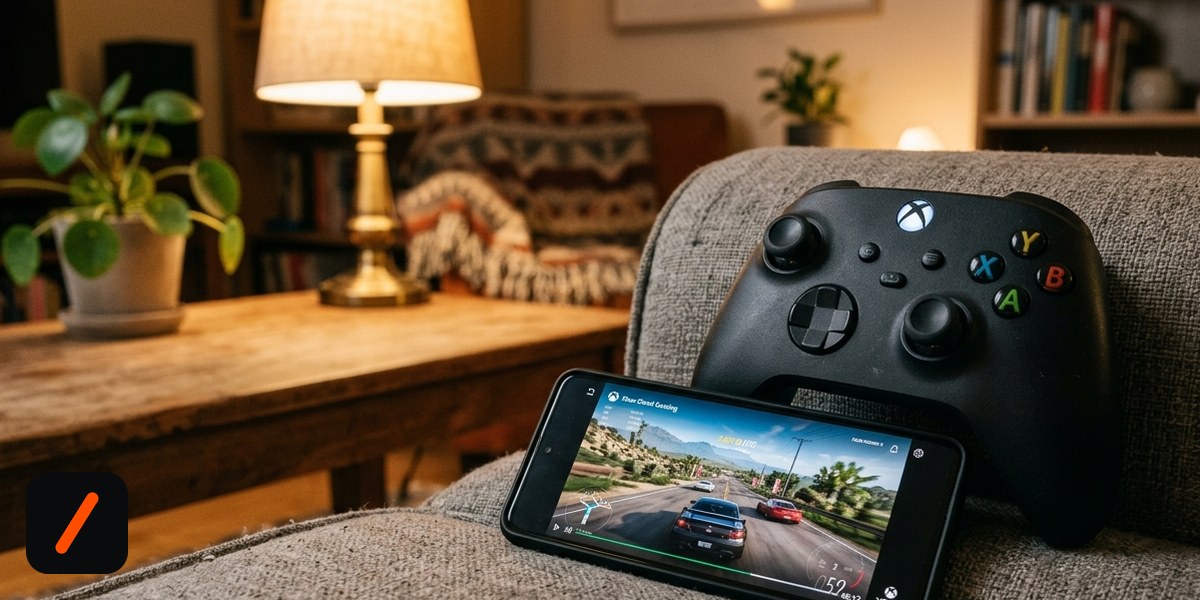
Microsoft told Xbox Game Pass subscribers this afternoon that unlimited cloud gaming is ending. Starting in November, streaming a game through Xbox Cloud Gaming will be capped at 15 hours a month on Ultimate, 10 hours on Premium, and 5 hours on Essential, down from no limit at all. Anyone who wants more will need to buy extra hours through the Xbox Store, and Microsoft says the change affects roughly 4 percent of subscribers.
The announcement landed on Xbox Wire a few minutes ago and was first reported by The Verge's Tom Warren. It reverses a policy Microsoft only finished rolling out last November, when cloud access without hourly limits became a Game Pass Premium and Essential perk for the first time, not just something Ultimate subscribers got.
RelatedXbox Tests Free, Ad-Supported Cloud Gaming
- New monthly caps from November: 15 hours (Ultimate), 10 hours (Premium), 5 hours (Essential), replacing unlimited access.
- Pay-as-you-go top-ups: extra hour bundles purchasable through the Xbox Store, rolling over if unused; Microsoft hasn't set pricing yet.
- No Game Pass required: Microsoft is also opening cloud gaming to anyone, letting people stream games they already own without any subscription at all.
- Scope: Microsoft says about 4 percent of Game Pass subscribers will feel the new limits.
What exactly is Microsoft changing?
Until now, every Game Pass tier that included cloud streaming let you play as many hours as you wanted, whenever you wanted. That ends in November. Ultimate subscribers drop to 15 hours a month, Premium to 10, and Essential, the cheapest tier, to just 5. Xbox's own blog post frames this gently: "We recognize that introducing limits is a meaningful change, particularly for players who regularly spend more time gaming through the cloud." The company hasn't published exact pricing for extra hours yet, only that they'll be sold in bundles through the Xbox Store starting in November and that unused hours carry over rather than expiring at the end of the month.
The stated reason is straightforward: cloud gaming gets more expensive to run the more people use it. Every streamed session is Microsoft renting out a game console's worth of compute in a datacenter, and unlike a local console, that cost never goes away once the hardware is paid off. Xbox says it's making the change "because the cost of providing cloud gaming grows as more people use it and play for longer."
How do the new caps compare across tiers?
| Tier | New cloud cap | Was | Price (per Microsoft, April 2026) |
|---|---|---|---|
| Xbox Game Pass Ultimate | 15 hours/month | Unlimited | $22.99/month |
| Xbox Game Pass Premium | 10 hours/month | Unlimited | lower mid tier |
| Xbox Game Pass Essential | 5 hours/month | Unlimited | entry tier |
| No subscription | Pay-as-you-go | Not available | Per-hour, TBA |
Why is this happening now, and not sooner?
Xbox has been here before. Ultimate subscribers got Game Pass Ultimate price hikes earlier this year that pushed it toward $29.99 a month, then Microsoft rolled the price back to $22.99 in April after subscriber backlash, and separately pulled new Call of Duty releases out of the service's day-one lineup to control costs. Cloud gaming's unlimited window was itself barely a year old: Microsoft opened it up to Premium and Essential subscribers only in late 2025, alongside a reported 45 percent jump in cloud usage and an expansion to nearly 30 more countries. Growth that fast on a service with no usage ceiling is exactly the kind of thing that turns into an unsustainable cost line, and this announcement reads like Microsoft doing the math on that a year later and not liking the answer.
There's also a bigger strategic goal in play. Xbox CEO Asha Sharma has talked about wanting Xbox to become "one of the few companies that entertains more than a billion people each day," a number nowhere near reachable through console sales alone. Cloud gaming is the only lever that gets Xbox in front of people who will never own an Xbox, which is presumably why Microsoft is capping hours for paying subscribers with one hand while opening access to non-subscribers with the other. It's a shift from cloud gaming as a subscriber perk to cloud gaming as its own product with its own price tag.
- Nov 2025Unlimited cloud gaming expands beyond Ultimate. Premium and Essential subscribers get uncapped cloud access; Microsoft reports usage up 45% and expansion to nearly 30 countries.
- Early 2026Game Pass Ultimate price hikes. Ultimate pricing climbs toward $29.99/month as part of a broader subscription restructuring.
- Apr 21, 2026Ultimate price rolled back to $22.99. Microsoft responds to subscriber pushback; new Call of Duty titles also pulled from the day-one lineup.
- Jul 23, 2026Ad-supported cloud gaming test begins. A free, ad-funded tier launches for Xbox Insiders, roughly 5 hours a month with pre-roll ads.
- Sep 3, 2026Hour caps and pay-as-you-go announced. Xbox tells subscribers unlimited cloud access ends in November.
- Nov 2026New limits take effect. 15/10/5-hour monthly caps begin; Xbox Store starts selling top-up hours and no-subscription access.
Who actually gets squeezed by this?
Microsoft's own 4 percent figure tells you this isn't aimed at the average subscriber checking a game out for twenty minutes before deciding whether to download it. It's aimed at the specific group of people using cloud streaming as their primary way to play: Xbox One owners who rely on the cloud to run Xbox Series X-only games their console can't handle locally, people gaming from a phone or tablet away from their console, and anyone who treats cloud access as a full substitute for owning hardware. Fifteen hours is roughly two hours a day if you spread it evenly, which is workable for a casual session here and there but tight for anyone using it as a primary platform. Five hours on Essential is closer to one evening a week.
RelatedTony Hawk’s Pro Skater 1+2 Skates Onto Game Pass
The flip side is Microsoft is also handing a new option to a completely different group: people who don't want a Game Pass subscription at all but occasionally want to stream a game they already bought. That's the pay-as-you-go audience, and it overlaps with Microsoft's long-running, Apple- and Google-store-policy-frustrated attempts to build a real Xbox mobile presence, since a pay-per-hour cloud option needs no app store purchase flow to work around.
- What will extra hours actually cost? Microsoft hasn't priced the top-up bundles. That number determines whether this reads as a minor inconvenience or a real price increase for heavy cloud users.
- Does subscriber backlash force another rollback? Xbox already reversed the Ultimate price hike once this year under pressure. Whether the same happens to these caps depends on how loudly the affected 4 percent complain.
- Does the ad-supported free tier expand to absorb displaced casual users? The July test already offers roughly 5 free hours a month; it could become the landing spot for people unwilling to pay for extra cloud time.
- Does the no-subscription option actually move the needle on Xbox's mobile ambitions? Asha Sharma's billion-users goal needs channels beyond console ownership, and pay-as-you-go cloud gaming is one of the few Microsoft fully controls without an app store in the way.
Our take
Metering a feature that launched as unlimited less than a year ago is a hard sell no matter how it's framed, and Microsoft knows it, hence the careful "we recognize this is a meaningful change" language. But the logic isn't hard to follow once you separate the two announcements. Capping hours for subscribers protects Microsoft's margins on a feature that got more expensive as more people used it correctly, which is the whole point of unlimited offers eventually meeting a cost ceiling. Opening cloud access to non-subscribers is the more interesting move, because it turns cloud gaming from a Game Pass perk into a standalone product Microsoft can sell to people who will never buy an Xbox or a Game Pass subscription. Whether subscribers see this as a fair trade depends entirely on a number Microsoft still hasn't shared: what a bundle of extra hours costs. Until that's public, "4 percent affected" is a company's estimate of its own decision, not something outsiders can verify.
- ReportingThe Verge: Microsoft slashes Xbox Cloud Gaming to just 15 hours a month for Ultimate subscribers first report, with direct quotes from Xbox's announcement blog post
- ReportingThe Verge: Microsoft opens up Xbox Cloud Gaming with new pay-as-you-go option details on the no-subscription cloud access change and Xbox's broader mobile ambitions
- ReferenceXbox Wire: Xbox Game Pass Update April 2026 Ultimate price rollback to $22.99
- ReferenceXbox Wire: Beginning Ad-supported Game Streaming Test & Learn the free, ad-supported cloud gaming test launched July 23, 2026
Original analysis by GenZTech, based on Xbox's own announcement and Microsoft's reported cloud gaming history.