
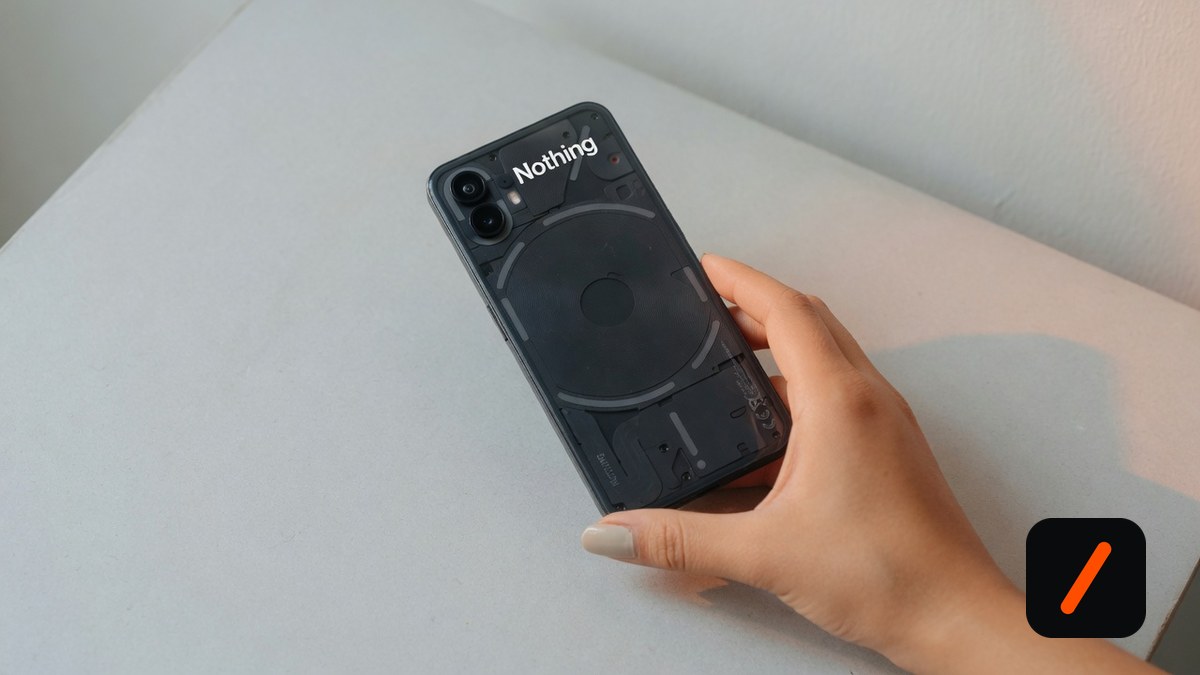
Nothing launched the Phone (4b) on July 7, the first entry in a new, more affordable b-series that sits below the company's a-series. It is Nothing doing what Nothing does, taking its distinctive transparent design and light-based glyph identity and pushing it into a cheaper bracket, betting that a phone with actual personality can win the budget segment that everyone else treats as an afterthought. The spec sheet is mid-range; the differentiation is the design.
- The Phone (4b) is Nothing's first b-series device, positioned below the a-series as its most accessible phone yet.
- Reported specs: 6.77-inch AMOLED, Snapdragon 6 Gen 4, 8GB RAM, dual 50MP rear cameras, and a 5,400mAh battery with 45W charging.
- It launched globally at the same time, a deliberate push beyond Nothing's early India-and-enthusiast base.
- The strategy is design as the differentiator in a commoditized budget tier where rivals compete only on specs.
What are you actually getting?
On paper the Phone (4b) is a competent mid-ranger: a large 6.77-inch AMOLED panel, a Snapdragon 6 Gen 4 chip, 8GB of RAM, a dual 50MP camera setup, and a generous 5,400mAh battery with 45W fast charging. None of those numbers are class-leading, and they are not meant to be. In the budget tier, most phones offer roughly the same components at roughly the same price, which is exactly why they are forgettable. Nothing's wager is that a big, bright screen and all-day battery are good enough at this price, and that what actually makes someone choose one $300-ish phone over another is whether it looks and feels like anything at all.
RelatedNothing Launches the Phone (4b) and Ear (3a) Together
Why does the design strategy matter?
The budget smartphone market is a race to the bottom on specs, and it is brutally hard to stand out when everyone ships the same chip and the same camera sensor. Nothing's entire brand is a rejection of that sameness: the transparent back, the Glyph lighting, a deliberately minimalist software look. Bringing that identity to the cheapest tier is smart because design is the one thing competitors at this price cannot easily copy, it requires a coherent brand, not just a bill of materials. If Nothing can make a budget buyer feel like they got something with taste rather than a generic slab, it wins on the axis no one else is competing on.
Can Nothing scale beyond enthusiasts?
This is the real test. Nothing built its reputation with tech enthusiasts and a strong presence in India, but a b-series with a simultaneous global launch is a clear move toward the mainstream. The budget segment is where volume lives, and it is also where brand loyalty is weakest and price sensitivity is highest. Launching worldwide at once signals ambition, but it also puts Nothing head-to-head with the entrenched budget machines of Samsung, Xiaomi, and Motorola, companies with vast distribution and aggressive pricing. Standing out on design gets you noticed; winning the tier requires availability, carrier deals, and after-sales support at a scale Nothing is still building.
Our take
Nothing remains the most interesting small player in smartphones because it competes on identity in an industry that mostly competes on spreadsheets. The Phone (4b) is a logical, disciplined expansion: take a brand people find charming and offer it to people who cannot spend flagship money. The strategy is sound and the timing, amid a memory-cost crunch thinning out this year's launches, gives it some breathing room. The caution is that budget buyers are famously pragmatic, and design charm only carries a phone so far when the competition undercuts on price and out-muscles on distribution. If the (4b) holds up in daily use and Nothing can actually get it on shelves worldwide, it is a genuinely appealing option in a dull category. That second part, distribution, is the harder half.
RelatedOppo's Reno16 Puts a 200MP Camera in a Mid-Ranger
- Real-world availability. Global launch means nothing without stock and carrier presence; watch shelves, not slides.
- Software support. Update length and clean software are where budget phones usually fail; Nothing has an edge to defend.
- Margin at scale. Winning the budget tier on design still has to make money, the hardest trick in the segment.
Why the budget tier is the real battleground
Flagships get the headlines, but the budget and mid-range segments are where the vast majority of the world buys phones, and where growth actually lives. It is also where brand loyalty is thinnest and switching is easiest, which cuts both ways: hard to hold customers, but possible to steal them. For a young company like Nothing, that fluidity is an opportunity, most budget buyers have no strong allegiance to defend. The catch is that this tier is ruthlessly price-driven, and the incumbents have spent years optimizing supply chains to shave every dollar. Nothing cannot out-cheap Xiaomi, so it has to give people a reason to pay roughly the same money for something that feels like a choice rather than a default. Design is that reason, if it can get the phone in front of enough people.
- OfficialNothing Phone (4b) product page
- ReportingGizmochina July 2026 launch preview and specs
Original analysis by GenZTech. Figures current as of July 2026.