
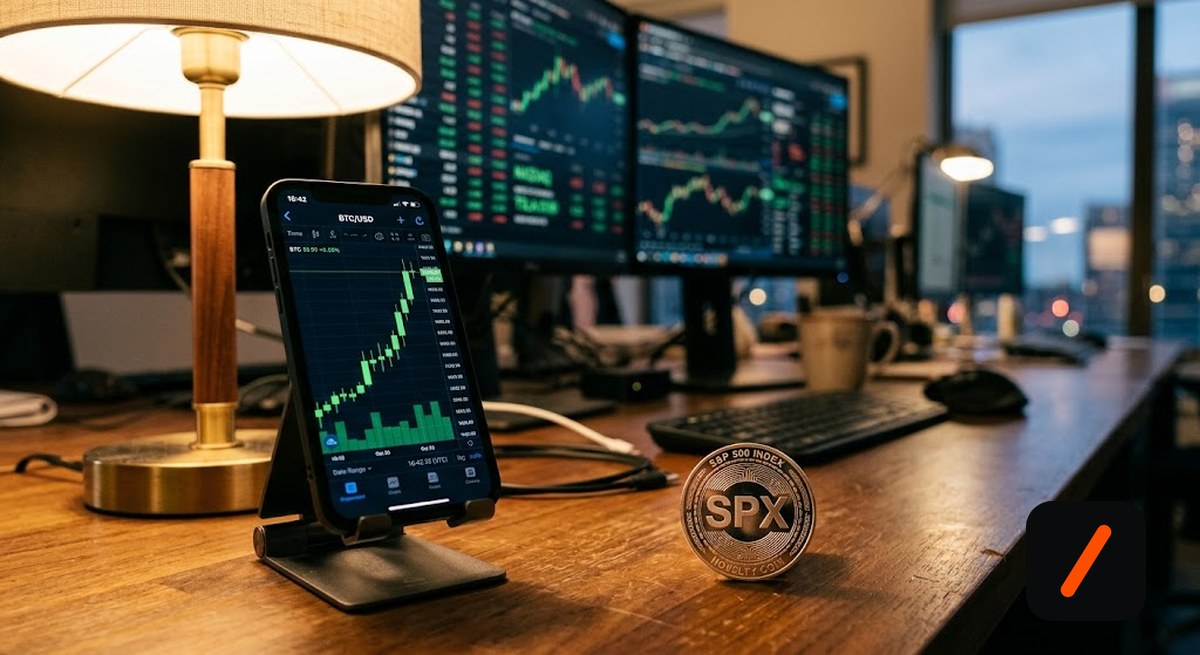
SPX6900, a memecoin built as a tongue-in-cheek rival to the S&P 500 stock index, jumped roughly 32% in a week after the project burned close to 7% of its own supply. It trades across Ethereum, Solana and Base, and its move is part of a broader rotation of speculative money back into memecoins in July 2026.
- SPX6900 rose ~32% in one week, outpacing much of the meme market during the rotation.
- The project burned close to 7% of supply, cutting circulating tokens to tighten the float.
- It is multichain, trading on Ethereum, Solana and Base rather than a single ecosystem.
- The gimmick: a meme that frames itself as beating the S&P 500, leaning on a joke about traditional finance.
What is SPX6900 and why is it moving?
SPX6900 is a memecoin whose entire premise is a joke aimed at traditional finance: it styles itself as a rival to the S&P 500, the benchmark US stock index, with a community meme about “flipping” Wall Street. Over the past week it climbed roughly 32%, helped by the project burning close to 7% of its token supply. Unlike most memecoins tied to a single chain, SPX6900 trades across Ethereum, Solana and Base, which widens its potential buyer base. The rally is not happening in isolation; it coincides with a broader return of speculative flows into memecoins, with Solana meme volumes rebounding and traders rotating between tokens.
RelatedPopcat Rides Solana's Memecoin Revival Back to Life
Does burning supply actually do anything?
Mechanically, yes; fundamentally, less than fans claim. A burn permanently removes tokens from circulation by sending them to an address no one can spend from. That shrinks the float, so a given amount of buying pressure moves the price more than it would against a larger supply. What a burn does not do is create value out of nothing: it redistributes the same total worth across fewer units, and it amplifies volatility in both directions. For a memecoin, the burn is as much narrative as economics, a signal to holders that supply is tightening, which is exactly the kind of story that fuels a momentum rally. The honest framing is that burns make price moves sharper, not safer.
What does this say about the meme market right now?
It says risk appetite is back, at least in bursts. SPX6900’s multichain reach and finance-parody branding make it a natural vehicle when traders want exposure to “the meme trade” without committing to one ecosystem. But the same market data that shows the rebound also carries loud warnings: median memecoin holding times have collapsed to around 100 seconds, and studies of thousands of launches find coordinated wallets and sniper bots capturing large chunks of supply in a token’s first moments. A 32% weekly gain is exciting and fragile in equal measure.
- Does the rotation last? Meme rallies run in fast cycles. Watch whether volume holds or evaporates within days.
- Concentration risk. Multichain does not mean decentralized ownership. On-chain holder distribution is the real tell.
- The parody ceiling. A finance-joke brand gets attention; whether it sustains a community past the rally is the question.
Who really captures a memecoin rally?
The uncomfortable truth behind moves like this is who is on the other side of the trade. On-chain research into memecoin launches has repeatedly found that automated snipers and coordinated wallets grab large portions of a token's supply in its earliest moments, faster than any person can react, then distribute into the demand that retail buyers create when a coin starts trending. Galaxy data cited across the sector puts the median memecoin holding time at roughly 100 seconds, down from around 300, which tells you these are not investments in any normal sense; they are extremely short-term momentum trades where being early and being fast is everything. A weekly chart showing a 32% gain flattens all of that into a single reassuring line, but the people who actually captured most of that move were positioned before the retail attention arrived. For a token like SPX6900, the multichain footprint widens the pool of potential buyers, which is good for liquidity and bad for anyone assuming the float is evenly held. None of this means the rally is fake; it means the structure of the market systematically favors the fastest and best-informed participants, and the story that pulls newcomers in is usually arriving after the smart money has set up. That asymmetry is the single most important thing to understand before touching this category.
RelatedMog Coin Rides a Multichain Meme Revival Higher
Our take
SPX6900 is a clean example of how a modern memecoin rally works: a sticky joke, a supply burn to tighten the float, multichain access to widen the audience, and a market in a risk-on mood to carry it. None of that is a fundamental thesis, and nobody serious pretends otherwise. Memecoins are momentum instruments where the story and the tokenomics exist to accelerate moves, not to justify them. If you are watching this space, treat the 32% as a description of volatility, not a forecast, and remember that the same mechanics that lift a token this fast can drop it just as hard.
- ReferenceCryptoSlate Solana memecoin rotation context
- ReferenceCoinGecko multichain price and supply data
Original analysis by GenZTech. Not financial advice; memecoins are extremely high risk. Source: CoinGabbar.