
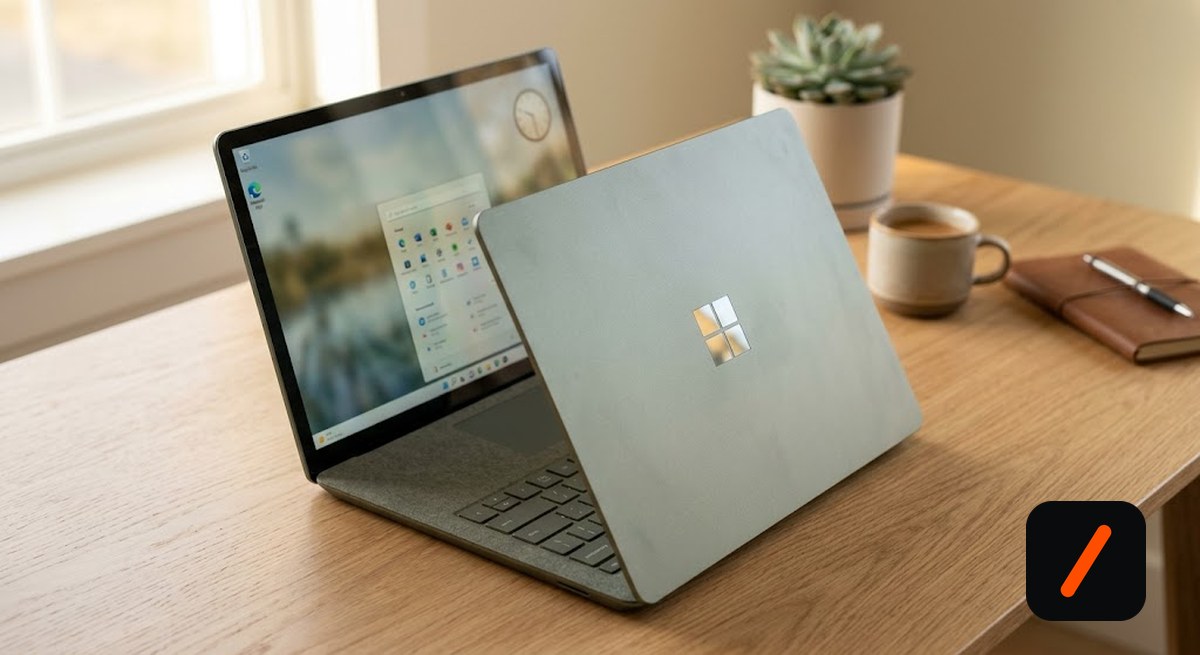
Microsoft has refreshed its flagship Surface devices around Qualcomm's new Snapdragon X2 chip. The 8th-generation Surface Laptop keeps last year's design but claims up to 58% more graphics performance and battery life of up to 20 hours on the 13.8-inch model. The updated Surface Pro gains the same silicon with up to 53% faster graphics, though its base models now cost about $500 more than their predecessors, and the keyboard is still a separate purchase.
- The chip: Qualcomm Snapdragon X2, the headline upgrade across both the Surface Laptop 8 and the new Surface Pro.
- Surface Laptop 8: same look as before, up to 58% more graphics performance, up to 20 hours battery (13.8-inch) and 19 hours (15-inch).
- Surface Pro: up to 53% faster graphics and better battery, but base models are roughly $500 pricier and the keyboard costs extra.
- The tradeoff: real performance and efficiency gains wrapped in familiar designs and, on the Pro, a tougher value proposition.
What actually changed in the Surface line?
The core change is the processor. Both the 8th-generation Surface Laptop and the updated Surface Pro move to Qualcomm's Snapdragon X2, the next step in the Arm-based silicon that now anchors Microsoft's premium Windows hardware. Microsoft's claims center on two things buyers care about most: graphics performance, up to 58% faster on the Laptop and up to 53% on the Pro, and battery life, up to 20 hours on the 13.8-inch Laptop, 19 on the 15-inch, and up to 15.5 hours on the Pro. What did not change is the industrial design. The Surface Laptop 8 looks essentially identical to its predecessor, which is either reassuring continuity or a sign of a maturing product line, depending on your point of view.
RelatedSnap's $2,195 Specs Bet AR Glasses Beat the Phone
Are the performance claims believable?
Vendor performance numbers are best-case figures chosen to flatter, so the honest answer is: probably real, probably smaller than the headline in everyday use. Generation-over-generation graphics gains of 50% or more are plausible for an Arm chip that has been iterating quickly, and the efficiency of Qualcomm's Snapdragon platform has consistently delivered the standout battery life these devices advertise. But graphics performance on a thin-and-light is measured off a modest baseline, and the tasks most Surface buyers run, browsing, documents, video calls, will feel the battery improvement far more than the GPU jump. The number to trust is the one from independent reviewers running real workloads, not the slide.
Why is the Surface Pro a harder sell?
Because the value math got worse. The updated Surface Pro delivers genuine gains, but its base models are roughly $500 more expensive than the previous generation, and Microsoft still does not include the Surface Pro Keyboard, which adds about $400. That means the real entry price of a usable Surface Pro, tablet plus keyboard, climbs meaningfully. For a device whose whole pitch is flexibility, a laptop when you need it, a tablet when you do not, pricing the keyboard as a separate near-$400 accessory has always grated, and a $500 base-price increase sharpens the complaint. The Pro is a lovely machine, but it is now asking buyers to pay a clear premium for the form factor.
| Spec | Surface Laptop 8 | Surface Pro (new) |
|---|---|---|
| Chip | Snapdragon X2 | Snapdragon X2 |
| Claimed graphics gain | Up to +58% | Up to +53% |
| Battery (claimed) | Up to 20h (13.8") | Up to 15.5h |
| Design change | Same as prior gen | Refined, familiar |
| Value note | Straightforward upgrade | ~$500 pricier base, keyboard extra |
Who should buy which?
The Surface Laptop 8 is the easier recommendation: a clean, iterative upgrade with meaningful battery and performance gains in a proven design, ideal for anyone who wants a premium Windows-on-Arm laptop and does not need a detachable screen. The Surface Pro makes sense specifically for people who genuinely use the tablet mode, artists, note-takers, travelers who want one device that flips between roles, and who accept paying a premium for that versatility. If you only ever use a Surface Pro with its keyboard attached, a traditional laptop gives you more machine for the money. The Snapdragon X2 also means checking app compatibility for any critical Windows software, though the Arm ecosystem has matured considerably.
RelatedOppo's Reno16 Puts a 200MP Camera in a Mid-Ranger
- Independent benchmarks. Reviewer numbers on real workloads will tell you how much of the 58% you actually get.
- Arm app compatibility. Snapdragon means verifying your must-have Windows apps run well natively.
- Pro pricing pushback. Whether the $500 base increase and paid keyboard dent Surface Pro demand.
- Battery in practice. The efficiency story is the strongest reason to buy; confirm it holds under real use.
Our take
This is a competent, unexciting refresh, and that is fine. The Snapdragon X2 delivers the two things that matter most in a thin-and-light, better performance and excellent battery life, and the Surface Laptop 8 packages them in a proven design at a sensible price. The Surface Pro is the frustrating one: a genuinely good device undermined by a value proposition that keeps getting harder to defend, with a higher base price and a keyboard that still costs extra. Windows-on-Arm has quietly matured to the point where these are easy machines to recommend on their merits. Just go in knowing the vendor performance numbers are ceilings, not averages, and that the Pro's flexibility now carries a real premium.
- OfficialMicrosoft Surface device specifications and pricing
- ReferenceQualcomm Snapdragon the X2 platform powering the new Surface line
Original analysis by GenZTech. Based on Microsoft's Surface announcements as of July 2026; performance figures are vendor-claimed.