
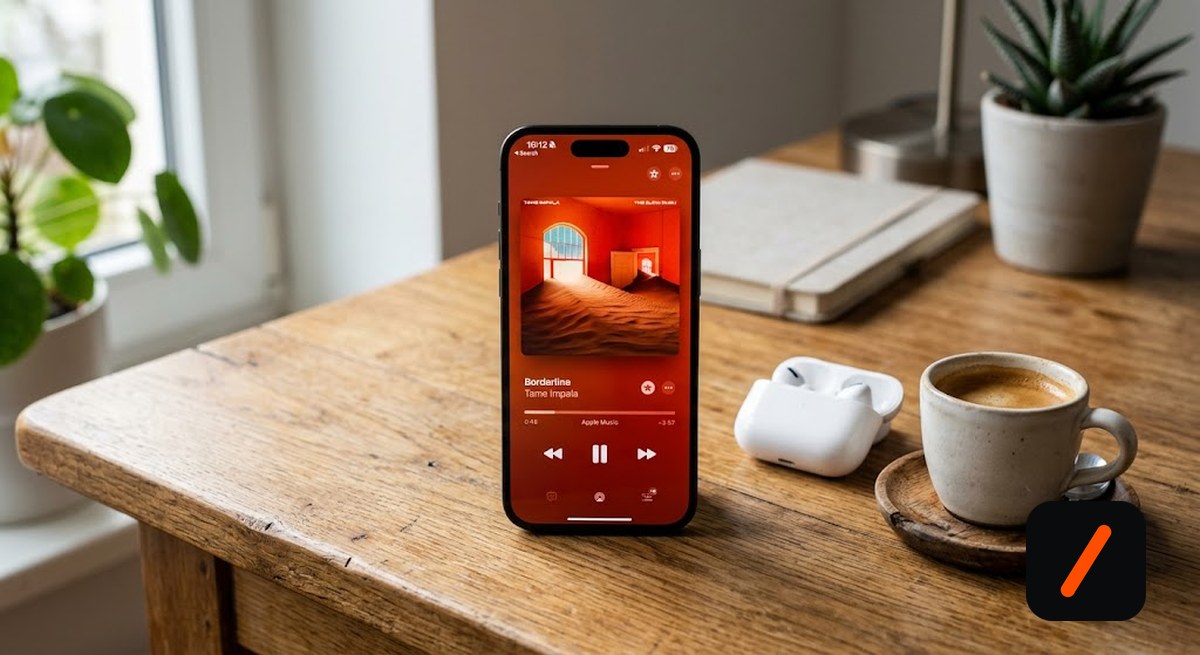
Apple raised the price of Apple Music for the first time since 2022, pushing the U.S. individual plan from $10.99 to $11.99 a month and the family plan from $16.99 to $19.99, with select Apple One bundles moving up alongside it. Apple confirmed the change on July 17 and it took effect the same day, telling several outlets the increase is a direct result of rising licensing costs. The number that matters is not the extra dollar on the individual plan. It is the $3 jump on the family plan, and the fact that Apple still lands a dollar under Spotify while doing it.
- New U.S. prices, effective July 17, 2026: Individual $10.99 to $11.99 (+$1), Family $16.99 to $19.99 (+$3), Student $5.99 to $6.99 (+$1).
- First Apple Music increase since October 2022, when the individual plan went from $9.99 to $10.99 in the service's first-ever hike.
- Applied globally the same day. In the UK the Individual plan rose to £11.99 and Family to £19.99, and select Apple One bundles also increased.
- Apple's stated reason is rising licensing costs. Even after the change, Apple Music's $11.99 individual plan is a dollar below Spotify Premium.
What exactly changed, and when?
Apple lifted the standard Apple Music subscription rates on July 17, 2026, effective immediately. In the U.S. the individual plan moved from $10.99 to $11.99, the family plan that covers up to six accounts went from $16.99 to $19.99, and the student plan rose from $5.99 to $6.99. The voice-only plan and any regional promotional pricing follow the same upward pattern.
RelatedOppo Reno 16 Lands as Memory Costs Squeeze Mid-Range Phones
This was not a U.S.-only adjustment. Apple pushed the new pricing across most of the markets where Apple Music operates on the same day. In the United Kingdom the Individual plan rose to £11.99 and the Family plan to £19.99. Apple also raised the price of select Apple One bundles, the packages that fold Apple Music together with Apple TV, Arcade, and iCloud+ storage, so subscribers who thought they were insulated by a bundle are not necessarily paying the old rate anymore. New subscribers still get their first month free, and the student plan still bundles free access to Apple TV, normally $12.99 a month on its own.
Why is Apple raising prices now?
Apple's own explanation is unusually blunt for a company that rarely explains pricing at all. In a statement provided to multiple outlets, Apple said the increase is a direct result of rising licensing costs. That points straight at the record labels.
The major music companies have spent the past two years pressing streaming services to raise their subscription fees, arguing that the $9.99 price point barely moved for a decade while inflation ran and while video services like Netflix climbed well past it. Spotify raised prices. Apple is now following, and the licensing-cost framing lets it hand the reason to the labels rather than to its own margin math. Whether the extra dollar flows through to artists or simply covers a higher wholesale rate Apple already agreed to pay is the part no press release answers.
The timing also reflects how rarely Apple touches this dial. The individual plan sat at $9.99 from the 2015 launch until October 2022, when Apple raised it to $10.99 in its first-ever increase. Nearly four years later, this is only the second time Apple Music has gone up. Compared with the annual creep on some streaming services, Apple Music has been slow to raise, which is exactly why a $3 jump on the family plan stands out.
How does Apple Music now compare to its rivals?
The competitive picture barely shifts, which is the point. Apple engineered the increase to stay under Spotify on the plan most individuals buy while closing the gap the labels wanted closed.
| Service | Individual | Family | Student |
|---|---|---|---|
| Apple Music | $11.99 | $19.99 | $6.99 |
| Spotify Premium | $12.99 | $19.99 | $5.99 |
| YouTube Music | $10.99 | $16.99 | $5.49 |
Even after the hike, Apple's $11.99 individual plan undercuts Spotify Premium by a dollar. On the family tier Apple now matches Spotify exactly at $19.99. YouTube Music remains the cheapest of the majors on paper, but it lacks the lossless audio and spatial mixes Apple ships at no extra charge, so the sticker gap is not a like-for-like one. Figures above are the standard published U.S. list prices for each service.
Who actually feels this?
Not everyone equally. The individual subscriber pays $12 more a year, which is the kind of increase most people will not notice on a card statement. The family plan is where the money is. At $19.99, a household paying month to month is now spending $36 more per year than it was on July 16, an 18% step in a single day, and family plans are the tier that carries the most people per dollar.
RelatedSamsung's Galaxy Z Fold 8 Goes Passport-Shaped July 22
Students come out best in relative terms. The plan rose only a dollar and still includes Apple TV for free, which on its own costs more than the entire student subscription. And Apple One subscribers are the group most likely to be caught off guard, because a bundle feels like a fixed all-in price until the components underneath it move. Anyone on Apple One should recheck whether the bundle still beats paying for each service separately after this round.
How has Apple Music priced over time?
- Jun 2015Apple Music launches $9.99 individual, $14.99 family.
- Oct 2022First-ever increase Individual to $10.99, family to $16.99, student to $5.99.
- Jul 17, 2026Second increase Individual to $11.99, family to $19.99, student to $6.99, plus select Apple One bundles.
- NextWhether the top Apple One tiers follow Premier and Family bundles are the likeliest next dominoes.
What it means for the market
Apple is not moving on a single subscription line. This is a Services-margin story, and Services is the segment investors watch most closely on AAPL because it carries far higher gross margin than hardware and it is where Apple is trying to prove the installed base compounds. A dollar or three per user across tens of millions of Apple Music subscribers is a real number, and because Apple is framing it as pass-through of higher licensing costs, the read is that it is defending Services margin rather than expanding it.
The quieter beneficiary is Spotify. When the biggest bundled competitor raises prices, it lifts the whole umbrella and makes Spotify's own increases easier to hold. The signal for investors is not the headline dollar, it is churn: watch whether the 18% family-plan jump nudges cancellations, and whether Apple's next earnings call frames Services growth as price-driven or subscriber-driven. Price-driven growth on a raised base is worth less than net new subscribers. This is factual analysis, not investment advice.
- The rest of Apple One. Only select bundles moved. If Premier and Family tiers follow, this becomes a Services-wide reprice, not a music one.
- Artist payouts. If licensing costs rose, the test is whether per-stream rates to artists actually tick up or the money simply covers a higher wholesale deal.
- Spotify's response. A matching or larger Spotify increase would confirm the labels, not the platforms, are setting the floor.
- Churn signals. The family plan's 18% jump is the one most likely to show up as cancellations in the next quarter.
Our take
This is a disciplined increase, not a greedy one. Apple raised the tier most people ignore by a dollar, raised the tier households actually buy by three, protected students, and still came in under Spotify on the headline plan. That is a company reading its own price sensitivity carefully. The honest caveat is the licensing-costs line: it is almost certainly true, but it is also the most convenient possible reason, because it makes the labels the villain and leaves Apple's own margin untouched in the telling. The number to hold Apple to is not the price. It is whether the artists everyone is nominally raising prices for ever see the difference.
- OfficialApple Music plans and pricing , Apple's support page listing current subscription tiers.
- StatementMusic Business Worldwide , Apple's rising-licensing-costs statement in full.
- ReportVariety , new tier prices and label context.
- ReportForbes , confirmation and international rollout.
Original analysis by GenZTech. Reporting drawn from Music Business Worldwide and Variety.