
Decentralized physical infrastructure networks pulled in roughly $150 million in on-chain revenue in a single month from real customers, paying for storage deals, compute jobs, data credits and mapping services, with some projects posting around 800% year-over-year growth. The striking part is that this happened while many DePIN token prices fell. That divergence, usage climbing as tokens sag, is the whole story of the sector in 2026. Our take: DePIN is quietly graduating from a token-emissions game into a real-revenue business, and the projects that survive the shakeout will be the ones where outside customers actually pay, not the ones with the prettiest emissions schedule.
- Leading DePIN networks generated about $150M in on-chain revenue in a single month from paying customers.
- Some projects saw roughly 800% year-over-year revenue growth even as token prices declined.
- The sector's total value sits near $9 billion, led by compute, storage, wireless and mapping networks.
- The metric that matters is real, non-token revenue: external customers paying for a service.
What is actually happening in DePIN?
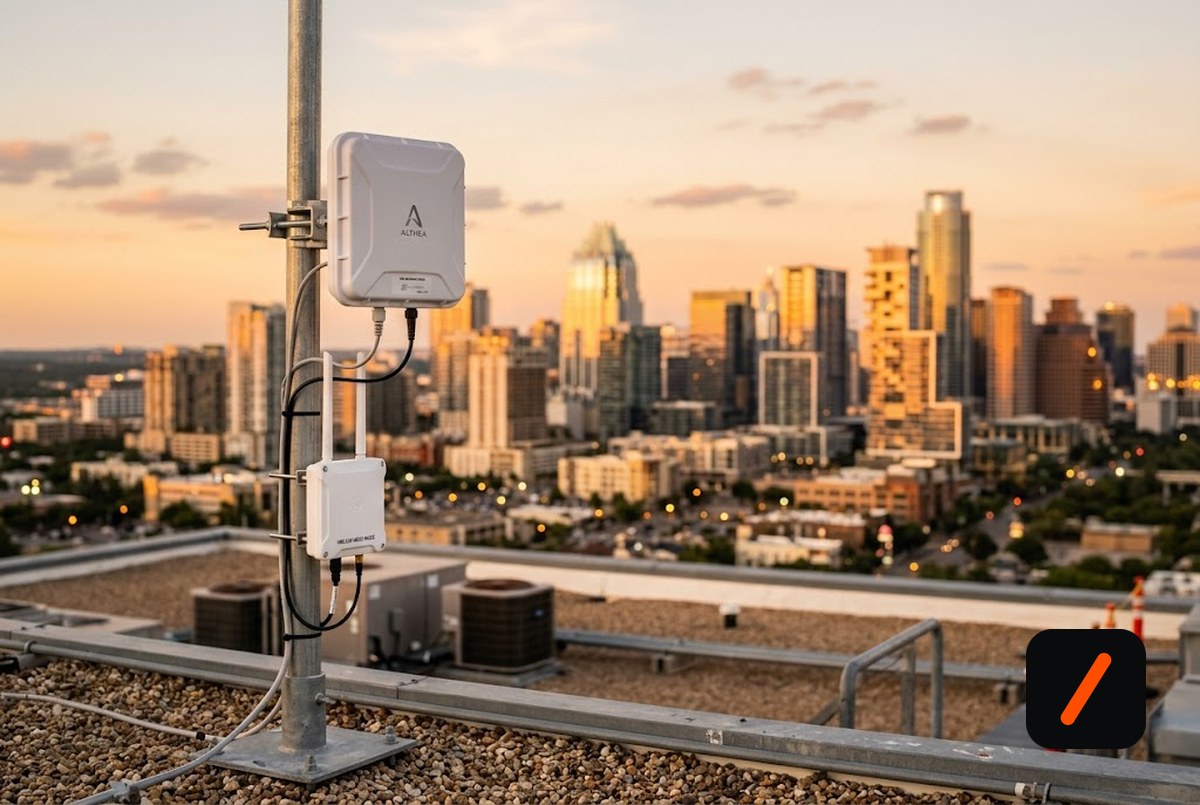
DePIN networks pay people to contribute physical infrastructure, hotspots for wireless, drives for storage, GPUs for compute, dashcams for mapping, and coordinate it all with tokens. For years the growth was driven by token emissions: contributors joined to farm rewards, and revenue was an afterthought. The 2026 shift is that the leading networks are now billing real customers for real services, and that revenue, roughly $150 million in a single month across the top projects, is verifiable on-chain. The sector's total value hovers near $9 billion, spread across compute leaders, storage networks, wireless carriers and mapping fleets.
RelatedThe DePIN subsidy problem: when rewards outrun demand
Why does the token-price divergence matter?
It separates the businesses from the speculation. When a network's revenue grows while its token falls, the market is telling you two different things: the service has real demand, but the token is oversupplied or overhung by unlocks and emissions. For an investor or a builder, the revenue line is the honest signal, because a customer paying for storage or compute does not care about the token chart. The projects with genuine external revenue can weather a bear market; the ones whose only inflow was emissions cannot.
What does it mean for the market?
The investor read is to price DePIN on paid usage, not token narratives. The clearest demand driver in the sector is AI compute, which is why GPU-rental networks have the strongest pull, followed by storage networks moving from raw capacity to paid, service-level-backed deals, and wireless networks landing carrier offload contracts that undercut traditional roaming. The signal to watch is the ratio of real revenue to token emissions: a network paying out more in emissions than it earns from customers is subsidizing its own usage, and that does not last. Networks flipping that ratio positive are the durable ones. This is analysis, not investment advice.
What are the risks?
No DePIN project is safe, and the honest list is long: token dilution that swamps revenue growth, utilization gaps where infrastructure sits idle, hardware-cost-recovery promises that overstate contributor returns, and competition from centralized incumbents with deep pockets. A network can have real revenue and still see its token bleed if unlocks outpace demand. The maturing sector rewards projects that publish real numbers and punishes those that hide behind token price.
RelatedDePIN, explained: crypto’s bet on real-world hardware
Who benefits?
Enterprises get cheaper storage, compute and connectivity from networks competing on price with cloud and telecom incumbents. Contributors with the right hardware in the right place earn real income. And the credible projects get a durable business that outlasts the emissions era. The losers are the emissions-only networks whose entire value proposition evaporates the moment rewards taper.
Which DePIN categories are leading?
The strongest pull right now is compute, specifically GPU-rental networks riding the same AI demand that has centralized cloud capacity sold out. If a startup can rent decentralized GPUs to train or serve a model for less than a hyperscaler charges, that is real, recurring, non-token revenue. Storage is the next tier, with the leading networks shifting from advertising raw capacity to selling paid deals backed by service-level guarantees, which is what enterprise customers actually need. Wireless networks have found traction in carrier offload, striking deals with mobile operators to route traffic through community-run hotspots at a fraction of traditional roaming cost. Mapping networks, meanwhile, are moving to subscription models and landing automotive and rideshare customers who need fresh road data for navigation. The common thread across all four is that the revenue comes from an external customer paying for a service, not from token emissions paying contributors to show up. That distinction is the entire investment thesis for the sector in 2026.
- Revenue vs emissions. The ratio of customer revenue to token emissions is the health metric that matters.
- AI compute demand. GPU-rental DePINs ride the same wave squeezing centralized cloud capacity.
- Published numbers. Trust networks that disclose real revenue; be wary of those that only quote token price.
- ReferenceMessari DePIN sector research and revenue data sector data
- ReferenceFalconX: DePIN protocols seeing record activity market analysis
Original analysis by GenZTech. Primary source: Messari.