
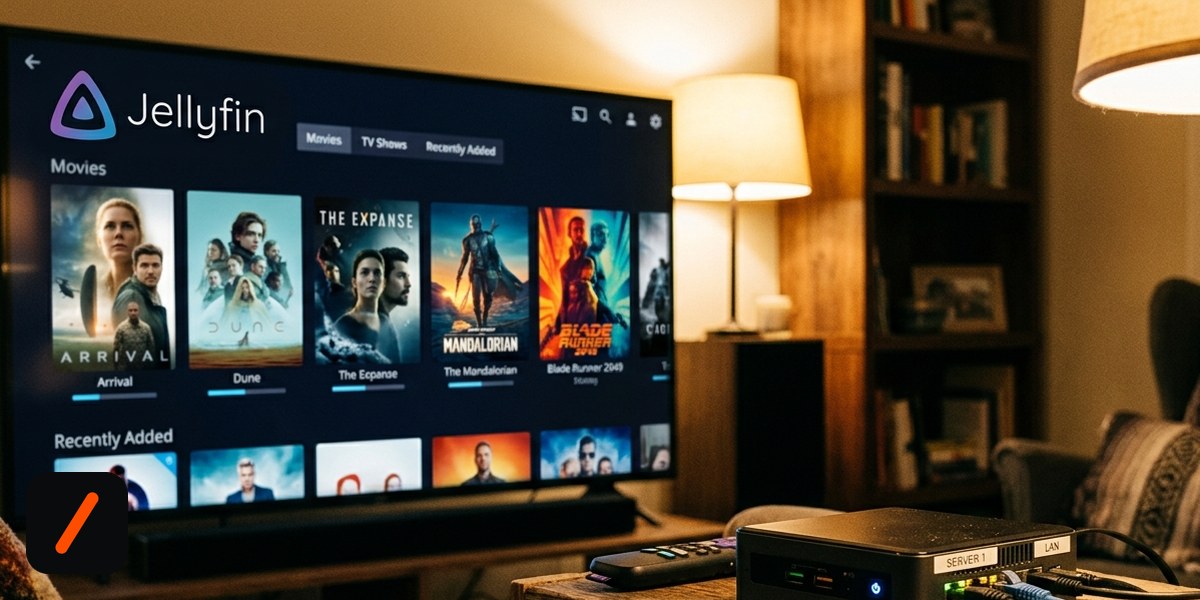
Jellyfin shipped version 12.0 on September 7, hours before this story went up, and the headline change is right there in the version number: the project just dropped the "10" it has carried since 2018. What used to be called 10.12.0 is now simply 12.0, and the release rewrites your media database on first boot, so the maintainers are telling everyone in plain terms to back up first.
- Jellyfin 12.0 drops the leading "10" from its version scheme; the next release after 10.11.x is 12.0, not 10.12.0.
- Upgrading from 10.10.7 or any 10.11.x release is supported directly, but the database schema changes and gets rewritten on first launch, so a full backup of your data and config directories is mandatory.
- Legacy /emby/ and /mediabrowser/ API routes are gone, which will break very old or abandoned third-party clients.
- Third-party plugins need a rebuild against .NET 10 to keep working.
What actually changed in Jellyfin 12.0?
The version jump is cosmetic but deliberate. Jellyfin's own release notes say the old 10.x scheme "was causing a lot of confusion amongst users about what a major release was," since the project never planned the kind of hard API break that would justify calling something version 11 in the traditional sense. Dropping the leading 10 resets expectations going forward without pretending a bigger rewrite happened than actually did.
RelatedJava 27 Ships With Post-Quantum TLS and Default G1 GC
Underneath the version number, this release is mostly about paying down debt from 10.11, which rewrote big chunks of the backend database layer earlier this year. That rewrite worked but shipped with rough edges, and 12.0 is the polish pass: faster playlist and collection handling on large libraries, a reworked recommendation engine you can configure per library (including a ListenBrainz option for music), and episode alternate versions, so a broadcast cut and an extended cut of the same episode can now sit side by side the way movie versions already could. Books and comics also get real metadata support for the first time, reading covers and details out of OPF and ComicInfo files instead of treating them as an afterthought. The "Modern" UI theme is now the default, with better filtering built in.
Why is a database migration the scary part, not the new features?
Because Jellyfin runs on hardware its users already own, often a spare mini PC or a repurposed NAS, and losing that library's metadata is a real cost, not an abstract one. The release notes are blunt about it: 12.0 changes the database schema and rewrites data in place on first boot, and a full manual backup of the data and config directories is described as "the only way back" if something goes wrong. That's a heavier warning than most point releases carry, and it reflects how much the 10.11 backend swap already asked of self-hosters this year. A second schema change in the same cycle is the kind of thing that makes admins nervous, even when the upgrade itself works cleanly, which by most early reports it does.
The practical fallout lands on three groups. Anyone still on a pre-10.10.7 install has to step through an intermediate upgrade first, since 12.0 doesn't support jumping from further back. Plugin authors have to recompile against .NET 10, so a plugin that hasn't been touched in a year or two may simply stop loading until its maintainer catches up. And any client still talking to the old Emby-compatible /emby/ or /mediabrowser/ routes, a category that mostly means very old or abandoned third-party apps, loses the ability to connect at all.
Where does Jellyfin sit next to Plex and Emby now?
Jellyfin's whole pitch has always been the fork of Emby that stayed fully open source after Emby moved to a closed, paid-premium-features model in 2019. Plex sits further along that same commercial axis, with its own cloud-connected account system and ad-supported free tier. The gap 12.0 is trying to close is performance and feature parity, areas where Plex in particular has had a lead for years thanks to its bigger engineering team and revenue.
RelatedPostgreSQL 19 Beta Makes Async I/O Actually Scale
| Project | License | Hosting | Book/comic support | Cost |
|---|---|---|---|---|
| Jellyfin 12.0 | Fully open source (GPL) | Self-hosted only | Native, added this release | Free |
| Plex | Closed source | Self-hosted, cloud-connected | Via plugins/agents | Free tier + Plex Pass |
| Emby | Source-available, restricted | Self-hosted, optional cloud sync | Native | Free tier + Emby Premiere |
- 2018Jellyfin forks from Emby after Emby introduces paid premium features
- Early 202610.11 ships a backend database rewrite functional, but with known rough edges
- Aug 202612.0 release candidate goes out early testers report a clean upgrade path
- Sep 7, 2026Jellyfin 12.0 stable ships drops the "10", requires backup before upgrade
What should self-hosters actually do this week?
Back up first, no exceptions, even if the release notes' warning feels like standard boilerplate. Copy both the data directory and the config directory somewhere off the box running Jellyfin, not just a snapshot on the same disk. Check any third-party plugins against the maintainer's changelog before upgrading; a plugin that silently stops working is a worse surprise than one that warns you up front. And if you're running an old client, a smart TV app or an ancient Kodi add-on that still speaks the Emby API, test it against a non-production instance first, because 12.0 won't be polite about routes it no longer serves.
- Plugin ecosystem health. How many popular plugins get a .NET 10 rebuild in the first two weeks will say a lot about how alive Jellyfin's third-party community still is.
- Whether the versioning reset sticks. If Jellyfin ships 12.1, 12.2 on a normal cadence without confusion, the rename did its job; if a real breaking change forces a 13.0 within months, the reset itself won't have bought much clarity.
- Book and comic adoption. This is Jellyfin's first serious attempt at competing with dedicated tools like Kavita and Komga for that use case, worth watching if it pulls users over.
Our take
Renaming a version number is easy; asking your users to trust a second database rewrite in one calendar year is the harder sell, and Jellyfin knows it, hence the blunt backup warning right in the release notes. The feature list here is genuinely useful, especially the book and comic support long-time users have asked for. But the real story is that an all-volunteer project is still shipping serious backend engineering work on a fork that exists purely because a company changed its pricing model seven years ago. That's the quiet argument for open source home media servers holding up in practice, not just in theory.
- OfficialJellyfin 12.0 release announcement jellyfin.org, Sep 7, 2026
- ReferenceJellyfin v12.0 GitHub release Full changelog and commits
- ReferenceJellyWatch: why Jellyfin is dropping version 10 Versioning change explained
Original analysis by GenZTech Team. Source: Jellyfin.org