
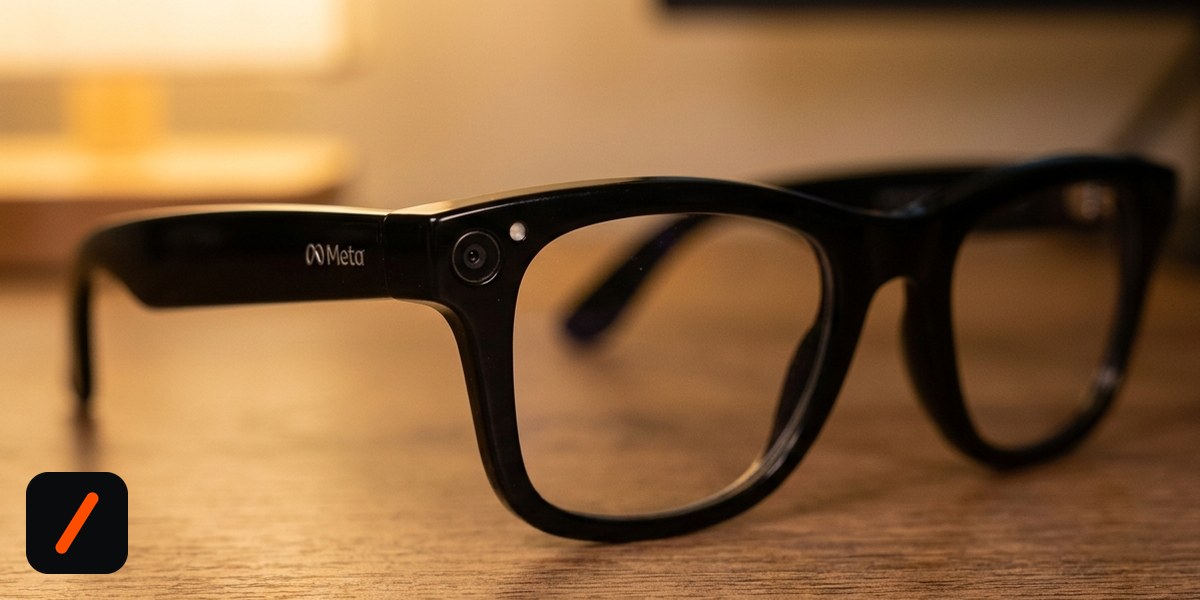
A dozen law enforcement memos obtained under freedom of information law and published by The Guardian this evening show U.S. police agencies quietly treating Meta's Ray-Ban smart glasses as a counterintelligence problem, not just a consumer gadget. The concern isn't hypothetical: a July 2025 TikTok video shot inside a South Carolina detention center, showing showers, holding cells and sleeping detainees, is the incident that set the paper trail in motion.
- The NYPD's counterterrorism bureau circulated the first memo in January 2026, calling the glasses a "security and counterintelligence" threat and ordering inspections of eyewear brought into inmate cells.
- DHS's joint counterterrorism assessment team and fusion centers in New York, Maine, Virginia, Tennessee and San Diego sent out similar warnings through the year.
- A Maine fusion center memo from June flagged the glasses' AI as a doxxing risk: point them at a badge or a patrol car and facial-recognition-adjacent features could out an officer's identity.
- ICE told staff in August the glasses count as body-worn cameras and banned them from federal workspaces outright.
What do the memos actually say?
The NYPD's January memo doesn't mince words. It tells officers to "conduct thorough inspections of all eyewear permitted within inmate cells" and warns that covert recording inside a facility "could result in a security risk if proprietary information about cell layouts, camera placements, or officer patrol/site protection routines are released." That's a specific, operational fear: not that someone is embarrassed on camera, but that a floor plan or a shift pattern ends up circulating outside the building.
RelatedNew App 'ZuckOff' Detects Meta's Camera Glasses Nearby
The Maine fusion center's memo from June pushes further into surveillance territory. Its worry is that the glasses' AI features, paired with a photo, could be used to identify an officer by name, home address or badge number, essentially doxxing through casual eyewear rather than a dedicated camera rig that would draw attention. DHS's joint counterterrorism assessment team cited the same pattern of concern across memos shared with fusion centers in New York, Virginia, Tennessee and San Diego.
Why did a TikTok video start this?
The South Carolina clip is the case study every memo seems to circle back to. Filmed with the glasses inside a detention center under federal investigation, it captured showers, holding areas and an overcrowded cafeteria. The person who posted it wrote that fellow detainees kept asking about the blinking light on the frame, not realizing it was recording. That single clip did two things at once: it showed the glasses could get footage no phone would have survived confiscation to capture, and it demonstrated that the supposed safeguard, a small LED that lights up mid-recording, is easy to miss in a crowded room.
That LED is the same one GenZTech covered in August, when Meta patched a firmware bug that let wearers cover the light mid-recording without stopping the capture. The fix closed a deliberate workaround. It did nothing about the more basic problem these memos describe: even a working, visible LED is trivial to miss on someone's face across a room.
- Jul 2025Smart-glasses video from inside a South Carolina detention center surfaces on TikTok showers, cells, sleeping detainees visible
- Jan 2026NYPD counterterrorism bureau issues its "security and counterintelligence" memo orders eyewear inspections in inmate cells
- Jun 2026Maine fusion center warns the glasses' AI could be used to dox officers
- Aug 2026ICE bars staff from wearing the glasses in federal workspaces classified as a body-worn camera
- Sep 8, 2026The Guardian publishes the FOIA'd memos first public confirmation of the internal warnings
Who actually gets watched here?
Flip the framing and the story is less about police worrying and more about who has the power to record whom. A jail cell, a traffic stop, a protest line: these are places where the person with less power usually has no recording device at all, or has it confiscated on sight. Cheap, deniable smart glasses change that math a little, which is exactly why advocates like Property of the People's Ryan Shapiro and groups like Fight for the Future have pushed back on framing this purely as a threat to law enforcement. Meta's own position, that the glasses are "designed to be noticed" and that the LED "blinks" during capture, is true and also beside the point when the room is loud, dim or crowded enough that nobody's looking at anyone's temple.
RelatedICANN Approves Wipeout of .name Domains, Inviting Hijacks
What does this mean for Meta's smart-glasses push?
Meta has spent two years positioning Ray-Ban Meta as the mainstream on-ramp to always-on wearable AI, and it has largely worked: the glasses sell well enough that Meta keeps expanding the lineup rather than treating them as a side project. A dozen law enforcement memos don't move that business on their own, but they add to a pile of separate regulatory pressure, including the EU scrutiny already following the LED-consent debate, that makes "camera on your face, indistinguishable from normal eyewear" a harder sell to institutions than to individual buyers. Expect federal agencies beyond ICE to formalize similar bans, and expect state legislators, not just Brussels, to start asking Meta pointed questions about what "designed to be noticed" actually guarantees in practice.
- More agency-specific bans. ICE's August memo is the kind of policy other federal buildings copy once it exists as a template.
- A harder look at the LED as a legal safeguard. If regulators conclude a blinking light isn't meaningful notice, Meta may face pressure to add audible or haptic cues instead.
- State-level rules on recording in detention facilities, likely drafted in direct response to the South Carolina video rather than the glasses generally.
Our take
The interesting part of this story isn't that police are nervous about being recorded. It's that the same design choice, a camera small enough to disappear into ordinary glasses, produces genuine safety concerns and genuine accountability upside depending entirely on who's wearing them and what they're pointed at. Meta built a product that is, by design, hard to notice. Law enforcement is now discovering that cuts both ways, and the memos read less like paranoia and more like an organization catching up to a piece of hardware that shipped faster than its own policy could.
- ReportingThe Guardian: "US police fear Meta smart glasses could be used to secretly record them" original FOIA memos and reporting, Sep 8, 2026
- CoverageCriminal Justice Journalists: memo text and quotes corroborating excerpts from the NYPD memo
- RelatedGenZTech: Meta closes the LED recording loophole our Aug 29 coverage of the underlying hardware safeguard
Original analysis by GenZTech, based on The Guardian's reporting on FOIA-obtained law enforcement memos.