
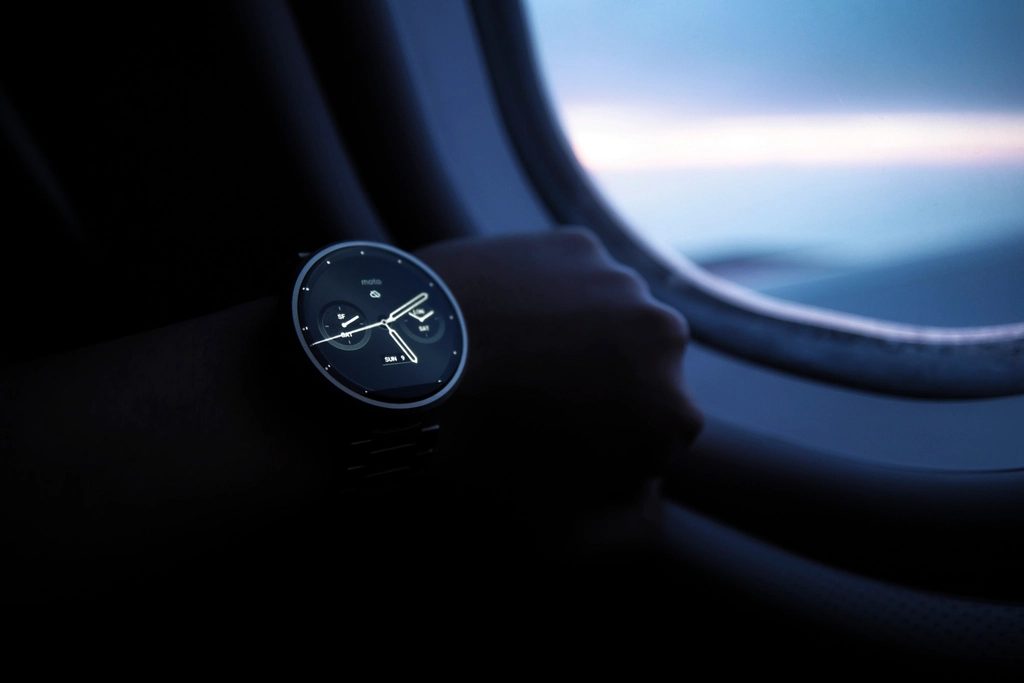
When smartwatches arrived, they were essentially a small screen on your wrist for reading notifications without pulling out your phone. That pitch was underwhelming, and many people dismissed the whole category. But smartwatches quietly evolved away from that original purpose into something more compelling, and the shift explains why a once-doubtful gadget found its footing.
The weak original pitch
The first smartwatches sold themselves as a convenience layer for your phone, glance at your wrist to see who texted, dismiss alerts, avoid digging in your pocket. It was a minor convenience that did not justify the cost or the bother of another device to charge, and it left the watch dependent on the phone it was meant to complement. As a reason to exist, "notifications, but on your wrist" was never strong enough to win over skeptics.
RelatedSnap's $2,195 Specs Bet AR Glasses Beat the Phone
The pivot to health
The transformation came when smartwatches leaned into something a wrist device is uniquely suited for: continuously sensing your body. Sitting against your skin all day, a watch can track activity, heart rate, sleep, and a growing range of health signals in a way no phone in your pocket can. This turned the watch from a notification accessory into a personal health and fitness device, a category where it offers genuine, distinctive value rather than a minor convenience. The wrist, it turned out, was the right place for sensors, not just alerts.
Why the wrist is the point
The reason this works is that the watch is always on you, against your body, all day and often all night. That constant, intimate contact is exactly what continuous health monitoring requires, and it is something no other device you own can match. A phone is in your pocket or on a table; a watch is on your skin. That single fact is what gives the smartwatch a real purpose, it can observe things about you continuously that nothing else is positioned to observe.
From luxury to health tool
As the health capabilities deepened, the smartwatch's identity shifted accordingly. Features that can flag potential health issues, encourage movement, and reveal patterns in sleep and activity moved the device from gadget toward something closer to a personal health companion. For many owners, the health and fitness functions, not the notifications, are now the reason they wear one. The category found its justification in being a body sensor first and a phone accessory second.
RelatedHandheld Gaming PCs Are Having a Moment
Why it matters
The smartwatch's evolution is a lesson in finding a technology's real purpose rather than its obvious one. Launched as a minor convenience and widely doubted, it became valuable by leaning into the one thing its position on your wrist made uniquely possible: continuous insight into your body. That pivot from notifications to health is why a once-questionable gadget endured, and a reminder that a product often succeeds not by doing what it was first sold for, but by discovering what it is actually best at.
The next frontier is health features that move from tracking to genuinely useful early warning, flagging potential problems a person would otherwise miss. As those capabilities deepen and earn medical credibility, the watch's identity as a health device, rather than a phone accessory, will only become more pronounced.
Analysis by GenZTech.