
The conversation about AI hardware fixates on GPUs and their processing power. But a quieter component is just as essential and far scarcer: high-bandwidth memory, or HBM. It is one of the main bottlenecks deciding how fast modern AI can run, and the scramble for it is reshaping the entire supply chain. Understanding HBM explains why AI chips are so expensive and so hard to get.
The memory bottleneck
A processor is only as fast as its ability to feed itself data. You can have an enormously powerful chip, but if it spends its time waiting for data to arrive from memory, all that power sits idle. This "memory wall", the gap between how fast a processor can compute and how fast memory can supply it, is one of the oldest problems in computing, and AI makes it acute. Large models involve moving staggering amounts of data, so the speed of memory often matters more than the raw speed of the processor.
RelatedHuawei, Cambricon Hike AI Chip Prices as HBM Squeeze Bites
What makes HBM different
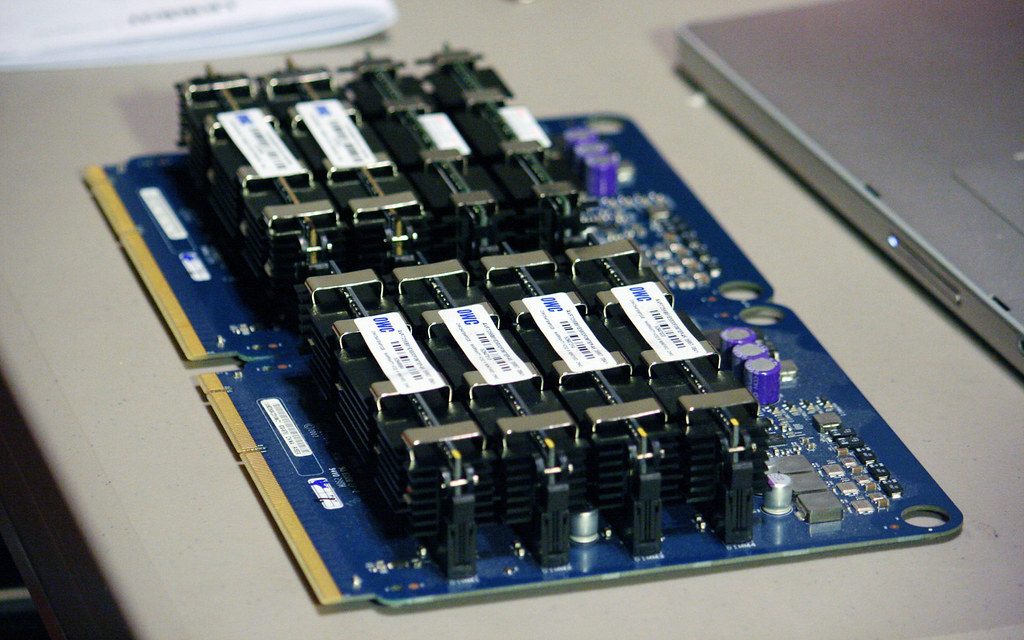
Regular computer memory sits in sticks some distance from the processor, connected by a relatively narrow path. HBM takes a different approach: memory chips are stacked vertically into dense towers and placed right next to the processor, connected by an extremely wide data path. Stacking the memory and widening the connection lets enormous quantities of data flow between memory and processor at once. The result is bandwidth far beyond conventional memory, exactly what a data-hungry AI chip needs to stay fed.
Why it is so hard to make
That stacked, tightly integrated design is also why HBM is difficult and expensive to produce. Building reliable towers of memory chips and bonding them precisely next to a processor is a demanding manufacturing feat, achievable by only a handful of companies. The packaging that combines the memory and the processor is itself a bottleneck. So supply is constrained not just by demand but by the sheer difficulty of making the stuff, which is why it stays scarce even as everyone rushes to buy it.
The supply-chain squeeze
Because the most powerful AI accelerators depend on HBM, and because so few suppliers can make it, HBM has become one of the tightest chokepoints in technology. The companies racing to build AI infrastructure are competing for a limited pool of it, which drives up prices and ripples outward. When the most profitable buyers in the world soak up the supply of a hard-to-make component, everyone downstream feels the squeeze, part of why memory costs have been climbing across the board.
RelatedAMD buys Taalas, betting on AI models etched into silicon
Why it matters
HBM is a reminder that AI's progress is not just about clever models or fast processors, it runs on a physical supply chain with real chokepoints. The component deciding how fast a model can run is often the memory feeding the chip, not the chip itself, and that memory is genuinely hard to produce at scale. As long as HBM remains scarce and expensive, it will be one of the quiet forces shaping the cost, availability, and pace of the entire AI buildout.
Analysis by GenZTech.