
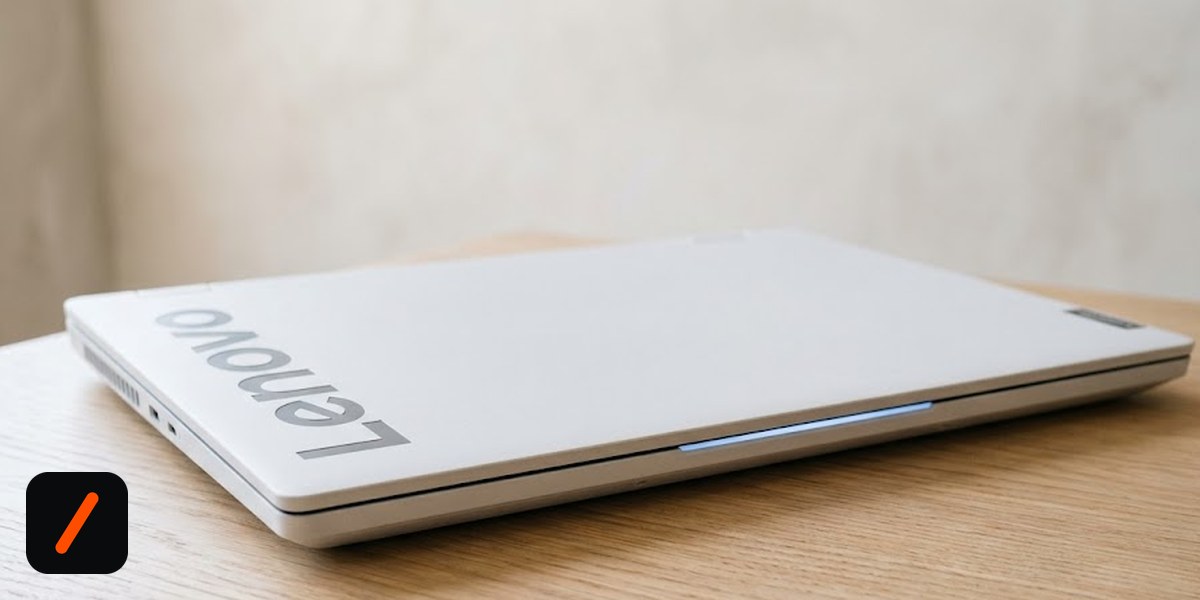
Marketing renders of Lenovo's first three Googlebooks leaked on Friday evening, and they answer the question that mattered most about Google's new laptop platform: it is not only a laptop platform. Alongside two conventional clamshells in different sizes, Lenovo is preparing a detachable tablet with a kickstand, a stylus and a Googlebook-branded keyboard folio. Android Headlines published the imagery hours ago, ahead of a fall launch that Google has confirmed but not dated.
Some quick context for anyone who missed May. Googlebooks are Google's Android-based replacement for the ChromeOS laptop story, built around Gemini rather than the browser, running an operating system that leaked under the internal name Aluminium OS. Google showed the concept at I/O with an unidentified laptop and named five partners: Acer, ASUS, Dell, HP and Lenovo. Until tonight nobody outside those companies had seen finished hardware.
RelatedMeta's Slim Project Phoenix Headset Leaks Ahead of Connect
What is actually in the leaked images?
Three devices, all in a stark matte white, all wearing a light strip Google calls the glowbar, lit blue in every shot. The Lenovo wordmark sits on the lower left of the palm rest instead of the lid, which is a small detail with a large implication: the cover is being kept clean for the Googlebook identity rather than the manufacturer's.
The two clamshells differ mainly in size and I/O. Both carry a protrusion along the top edge of the lid, the same camera hump design language as the Lenovo Chromebook Plus 14. The larger model has speaker grills flanking the keyboard, a USB-A port, USB-C, a headphone jack and an illuminated power button on the right edge, with a second audio jack, another USB-C and what looks like either HDMI or a second USB-A on the left. The smaller one drops the side grills entirely and shows only USB-C and a headphone jack on the right. Retaining a full-size USB-A port on a 2026 premium laptop is a choice, and a telling one about who Google thinks buys these.
The 2-in-1 is the surprise. It has a built-in kickstand, a pill-shaped housing next to the rear camera that holds its own glowbar, dual speaker cutouts on each side feeding a Dolby Atmos four-speaker setup, and a magnetic strip along the top edge for the stylus, which looks like Lenovo's Tab Pen Pro 2. The detachable keyboard folio carries Googlebook branding and a trackpad. Lenovo also appears to have built a matching mouse with its own light strip.
Why does a tablet in this lineup matter?
Because it settles an argument about what Googlebooks are for. Read the May announcement literally and the pitch was premium laptops with Gemini wired into the shell, including a feature called Magic Pointer that fires a contextual Gemini prompt when you wiggle the mouse. That reads as a ChromeOS successor aimed at the same clamshell market.
A detachable changes the framing. Android already runs the best tablet software Google has, and the reason Android tablets have historically stalled is that the desktop half was missing: no real windowing, no proper file handling, no terminal. Aluminium OS is the piece that fixes that, and once it exists, a tablet that becomes a laptop is the obvious hardware for it. Google is not just replacing the Chromebook. It is finally shipping the convertible Android has been circling since the Pixel Slate died in 2019.
It also puts Lenovo in an unusual position. The company sells Windows laptops, Chromebooks, Android tablets and now Googlebooks, with the 2-in-1 sitting uncomfortably close to its own Tab Plus and Yoga lines. That overlap is a pricing problem before it is a product problem.
| Platform | Googlebook (Aluminium OS) | ChromeOS | Android tablet | Windows on ARM |
|---|---|---|---|---|
| Base OS | Android | Linux + Chrome browser | Android | Windows 11 |
| App story | Play Store, native Android | Web first, Android bolted on | Play Store, phone-shaped | x86 emulation |
| AI layer | Gemini in the shell | Gemini added later | Gemini app | Copilot |
| Detachable in launch lineup | Yes, confirmed by this leak | Rare, mostly abandoned | Yes | Yes |
| Ships | Fall 2026 | Shipping, winding down | Shipping | Shipping |
What is still missing from the picture?
Everything that decides whether these are good. No chipset, no RAM or storage tiers, no screen sizes, no battery figures, no prices and no date beyond "fall". The images are marketing renders, so even the port list carries a caveat: renders get simplified, and one of the left-edge cutouts on the larger clamshell could be HDMI or could be a second USB-A.
Silicon is the interesting gap. Aluminium OS is Android, which points at Arm, and the obvious candidates are a MediaTek part like the Chromebook Plus 14 uses, a Snapdragon X-class chip, or a Tensor variant. Google has said nothing. Whichever it is will set the ceiling on how well the desktop mode handles real multitasking, and that single spec will do more to decide these machines' reputation than the glowbar will.
RelatedSnap's $2,195 Specs Bet AR Glasses Beat the Phone
Price is the other unknown, and the market is not helping. Memory pricing has been brutal through 2026, and a premium white 2-in-1 with a four-speaker Atmos array, an active stylus and a keyboard folio does not read as a 400 dollar Chromebook replacement. If Google is aiming at the segment its own renders imply, these compete with the iPad Pro and the Galaxy Tab S series, not with school carts.
How did we get here?
- May 12, 2026Android's desktop OS leaks in video form virtual desktops, a terminal, windowing, under the name Aluminium OS
- May 2026Google reveals Googlebooks as a premium category built on Gemini Acer, ASUS, Dell, HP and Lenovo named as partners
- Jul 31, 2026Android Headlines publishes marketing renders of three Lenovo devices two clamshells and a detachable 2-in-1, first finished hardware seen
- Fall 2026First Googlebooks ship specs, silicon and pricing still unannounced
Who should care right now?
Anyone holding off on a Chromebook purchase, first. If Aluminium OS is where Google's laptop attention goes, buying a new ChromeOS device this quarter means buying into a platform whose successor has already been shown. Google has committed to ChromeOS updates, but attention is a finite resource and it has visibly moved.
Android developers second, and with more urgency. A launch lineup that includes a detachable with a stylus and a trackpad means large-screen and pointer input stop being optional polish. Apps that break at desktop window sizes, ignore keyboard shortcuts or assume touch-only input will look broken on the flagship hardware of Google's new category. The large-screen guidelines have been there for years, largely ignored, and fall is the deadline that finally has teeth.
- The chip. MediaTek, Snapdragon or Tensor decides whether desktop mode feels like a laptop or a stretched tablet. Nothing else in the spec sheet matters as much.
- Whether the other four OEMs also ship detachables. If Acer, ASUS, Dell and HP stay clamshell-only, Lenovo's 2-in-1 is an experiment. If they follow, it was the plan.
- Pricing against the iPad. The Atmos array and the Tab Pen Pro 2 stylus put this in Apple's bracket. Google has never won that bracket.
- What happens to the Chromebook line. Watch whether Lenovo keeps refreshing the Chromebook Plus 14 after these ship, or quietly lets it ride out its update window.
Our take
The renders look good, which is genuinely worth saying about a Google hardware category on day one. White with a single blue accent is a real design position rather than a defensive one, and moving the maker's logo off the lid tells you Google intends Googlebook to be the brand people say out loud.
The risk is not the hardware. It is that Google has now attempted the premium Android large-screen device roughly four times, and the pattern each time was decent industrial design attached to software that was not ready and apps that were not updated. Aluminium OS looks like a more serious answer than the Pixel Slate got. The leak tells us Lenovo believes in it enough to build three devices and a mouse. Whether the third-party app ecosystem shows up by fall is the part no render can settle.
- ReportFirst Googlebooks from Lenovo leak: two sizes and a 2-in-1 detailed port and design breakdown of the renders
- ReportAn early look at Lenovo's inaugural Googlebooks confirms the Dolby Atmos four-speaker array and the branded mouse
- ReferenceAndroid's desktop OS leaks with windowing, virtual desktops and a terminal the May Aluminium OS video leak that set up this hardware
- ReportLenovo's first Googlebooks have leaked Engadget's writeup, published as the images surfaced
Original analysis by GenZTech, written hours after the renders surfaced on the evening of July 31. Images first published by Android Headlines, via Engadget.