
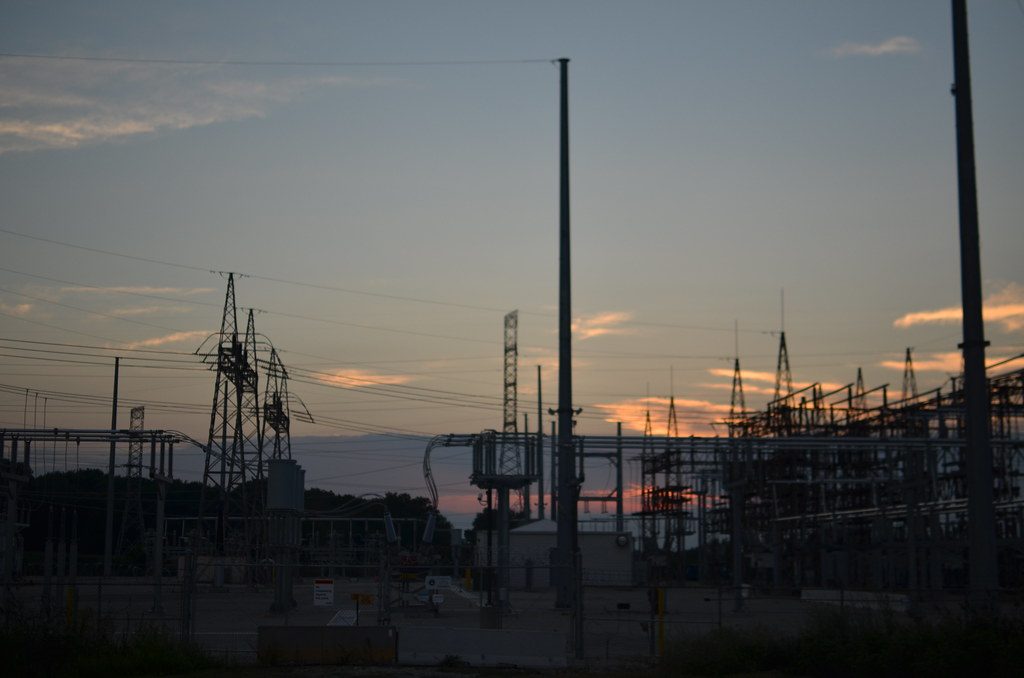
The AI boom looks like a story about software, but underneath it is a story about electricity. Training and running large AI models requires staggering amounts of power, concentrated in data centers that are growing faster than the grids around them. The result is a quiet but serious strain on electricity systems that were not designed for this kind of demand.
Why AI is so power-hungry
AI computation is enormously energy-intensive. Training a large model means running thousands of specialized chips at full tilt for weeks, and serving that model to millions of users means running huge fleets of those chips continuously afterward. Each chip draws significant power and throws off significant heat, which then takes still more power to cool. A modern AI data center can consume as much electricity as a small city, and the industry is building many of them.
RelatedNvidia's LPU Bets Inference Needs Its Own Silicon
A demand surge the grid did not plan for
For years, electricity demand in many developed regions was flat or slowly growing, and grid planning assumed it would stay that way. The sudden appetite of AI data centers breaks that assumption. Adding the equivalent of many small cities' worth of demand in a short span, often clustered in specific regions, stresses infrastructure that takes years to expand. Power plants, transmission lines, and substations cannot be built as fast as data centers can, so the demand arrives before the supply.
The ripple effects
This mismatch ripples outward. In areas where data centers cluster, the new demand can push up electricity prices and compete with existing users for limited capacity. Utilities and grid operators scramble to add generation and transmission, and the question of who pays for those upgrades, and whether ordinary ratepayers end up subsidizing them, becomes contentious. The strain is not abstract; it shows up in bills, in delayed connections, and in regional power planning.
The cooling and water angle
Power is not the only resource at stake. All that electricity becomes heat, and removing it requires cooling systems that often consume large amounts of water as well as more power. In regions already short on water, the demands of AI data centers add another layer of competition for a scarce resource. The footprint of running AI is broader than the electricity meter alone suggests.
RelatedInfineon Acquires C2i to Solve AI Power Delivery
What the industry is doing about it
The response is a scramble on several fronts: building near cheap or abundant power, investing in new generation including renewables and nuclear, and pushing hard on efficiency so each unit of computation uses less energy. Whether efficiency gains can keep pace with surging demand is an open question, because historically, making computing cheaper has tended to increase how much of it we do, not decrease total consumption.
Why it matters
The strain AI puts on the power grid is one of the most concrete and underappreciated consequences of the boom. It connects the abstract progress of AI to physical limits, electricity, infrastructure, water, that cannot be scaled overnight. As AI keeps growing, energy is becoming one of its central constraints, and how the grid adapts will shape not just the cost of AI but the cost of power for everyone connected to the same wires.
Analysis by GenZTech.