
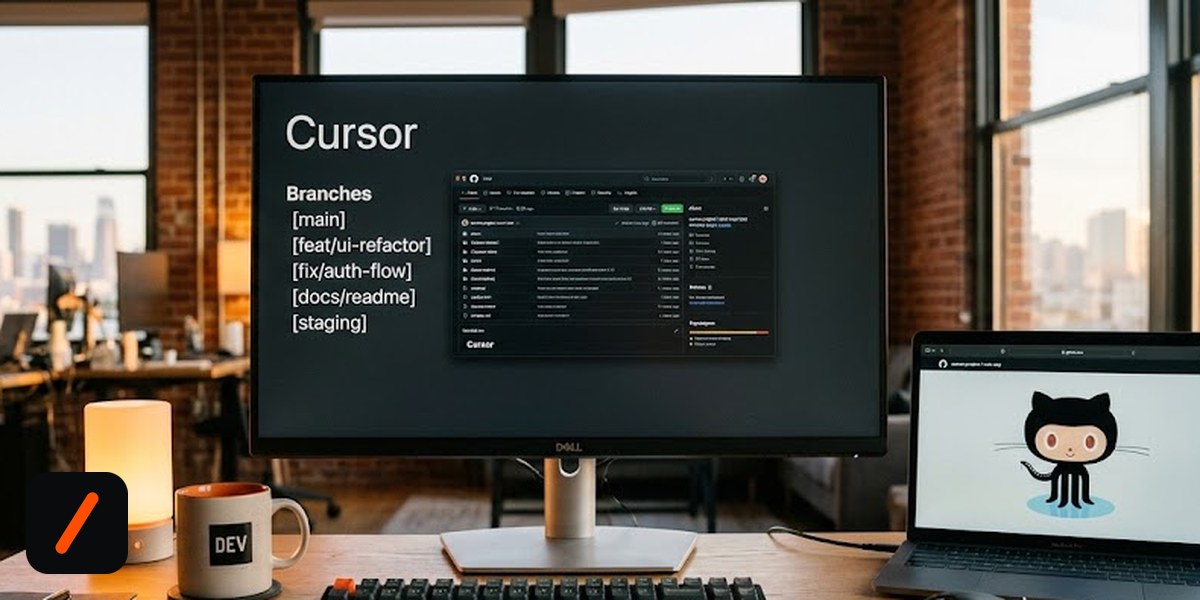
Cursor spent three years being the smartest way to edit code that lived somewhere else. On August 17, 2026, that changed. Anysphere shipped Origin, a code hosting service built directly into Cursor, which means a repository can now live inside the editor instead of on GitHub.
- Origin rolled out in early beta on August 17, 2026, live on every paid plan except enterprise orgs that opt out. Pricing for hosting itself hasn't been disclosed.
- New repos get a URL under cursor.com/codebase/[name], push through a dedicated CLI, and can sit alongside GitHub-hosted repos in the same account.
- Repos that started on GitHub keep GitHub as source of truth. Pushes still land there first, and two-way pull request sync mirrors comments between the platforms within seconds.
- The launch landed the same morning GitHub was mid-outage, its seventh incident in fifteen days, though Cursor's schedule was locked in weeks before that happened.
What actually shipped
Origin is a git host living inside the Cursor product. Click "+New," name a repository, and Cursor spins up a hosted codebase at a fixed URL: cursor.com/codebase/your-team-name. Push through a dedicated CLI. Anyone with read or write access to a synced repo can open it without a separate invite. Pull requests get a timeline of commits, checks and changed files, plus review threads that sync both ways: comment in Cursor and it posts to GitHub, react on GitHub and it lands back in Cursor within seconds.
RelatedSpaceX Closes $60B Cursor Deal, Folds It Into SpaceXAI
Anysphere paired that with prepackaged integrations for Vercel, Depot and Buildkite, plus CI through existing GitHub Actions workflows, so a repo moving onto Origin doesn't rebuild its pipeline from scratch. For repos that started on GitHub, GitHub keeps its status as source of truth: pushes still route there first, and Origin syncs around it rather than replacing it.
Why does Cursor want to own the host at all?
For three years Cursor's pitch sat on top of somebody else's infrastructure. You wrote code in Cursor, the agent edited it, and the system of record, permissions and webhooks belonged to Microsoft. Owning the host removes that dependency and a layer of latency: an agent checking a branch no longer round-trips to an external API with its own rate limits and uptime record. That mattered on launch day. GitHub was mid-6-hour, 42-minute global outage that morning, its seventh incident in fifteen days, and every editor built on top of it inherited that downtime. A codebase hosted inside Cursor isn't subject to someone else's incident report.
The part most coverage skipped: who reads the merge
Most write-ups treated Origin as a GitHub clone with an AI editor bolted on. The more interesting choice: who it's built for. Anysphere describes agents as primary collaborators, not humans reviewing a diff after the fact, and PR state, checks and conflicts are structured as data an agent can query and act on directly, not a page a person scrolls through first. A background agent can answer a question about a repo, make a change and push a branch without a human ever opening a PR view.
That's also where the lock-in sits. A GitHub-hosted repo keeps GitHub as its source of truth because moving an established repo's canonical home is disruptive; webhooks, permissions and history all point at one URL. A repo created fresh inside Origin starts life with Cursor as that source of truth. The longer a team builds new repos there, the more of its history and review state becomes native to Cursor's platform rather than portable away from it. Editors swap out in a weekend. Commit history doesn't move that easily.
Who does this actually affect, and what's next?
Not much changes yet for a team that keeps every repo on GitHub: Origin syncs around existing repos, and a reviewer who never opens Cursor still sees every comment land normally. The bigger effect lands on new projects and small teams starting from zero, for whom "+New" inside Cursor is now a real alternative to a detour through github.com. Enterprise orgs that want none of it can opt out entirely, which suggests Anysphere expects the strongest resistance from companies with existing GitHub Enterprise contracts. Pricing is the open question: hosting is a new cost center with no published number yet, and what it costs will show whether Origin is a loss-leader meant to lock teams in or a revenue line of its own.
RelatedZeroth Raises $73.6M for Humanoid Robots, Ant Leads
What it means for the market
The company launching Origin is no longer an independent startup. As GenZTech covered on August 16, SpaceX closed its $60 billion acquisition of Anysphere, putting Cursor inside Elon Musk's group of companies rather than running as a standalone venture-backed business, and a company backed by SpaceX's balance sheet can subsidize a cheap hosting beta far longer than a startup burning its own runway could.
The company most exposed is Microsoft, which owns GitHub and has treated it as the default home for software development since 2018. GitHub doesn't report standalone revenue, but it's the backbone Microsoft's own Copilot business sits on, and Origin targets developer attention and repository ownership away from it. GitLab, the one public pure-play comparable under ticker GTLB, isn't a direct target here, but any sign AI-native tools can pull developers off GitHub matters to how investors price GitLab's own moat. The signal for investors is whether new repos created inside Cursor actually stay there once beta pricing ends, and whether GitHub's incident count, seven in fifteen days as of the 17th, keeps handing rivals a reliability argument. Neither Anysphere's real hosting costs nor GitHub's response are public yet.
| Cursor Origin | GitHub | GitLab | |
|---|---|---|---|
| Who hosts the code | Cursor (Anysphere), new as of Aug 2026 | Microsoft, since 2018 | GitLab Inc., SaaS or self-hosted |
| Agent-native review | Built around agents as primary reviewers | Copilot layered onto human-first PRs | AI features layered onto human-first MRs |
| Two-way PR sync | Yes, mirrors to GitHub within seconds | Not applicable, is the source | Not applicable, is the source |
| CI support | GitHub Actions, plus Vercel, Depot, Buildkite | GitHub Actions, mature marketplace | GitLab CI/CD, mature and self-host friendly |
| Ecosystem maturity | Early beta, days old | 13+ years, largest dev platform | Over a decade, public since 2021 |
| Pricing transparency | Undisclosed | Public tiered pricing | Public tiered pricing |
- Pricing reveal. The number will show whether Origin is a loss-leader or a real business line.
- Retention past beta. Whether repos created fresh inside Origin stay there once billing starts, or migrate back to GitHub.
- GitHub's reliability streak. Seven outages in fifteen days makes a reliability pitch land; watch whether Microsoft responds publicly.
- Enterprise opt-out rate. How many large orgs turn Origin off says more about real demand than the launch notes do.
Our take
Origin is a bigger deal than "Cursor added git hosting" makes it sound. Every previous AI coding tool, Cursor included, has had to accept GitHub's model of a pull request and build around it. Owning the host means Anysphere can redesign what a merge looks like around an agent doing the reading, without asking anyone's permission. The two-way sync back to GitHub is a genuinely useful bridge, worth crediting since it means nobody has to choose on day one. But bridges carry less weight over time, not more, and the more repos start life natively on Origin, the less that sync arrow will matter five years out.
- OfficialOrigin: code hosting, Cursor changelog , launch notes and feature list
- AnalysisVentureBeat: Cursor launches Origin as GitHub outage exposes an opening , market context on timing
- CoverageSiliconANGLE: Cursor launches Origin to compete with GitHub , launch-day reporting
- BenchmarkGenZTech AI Coding Leaderboard , our independently-checked model rankings
Original analysis by GenZTech. Source: Cursor changelog