
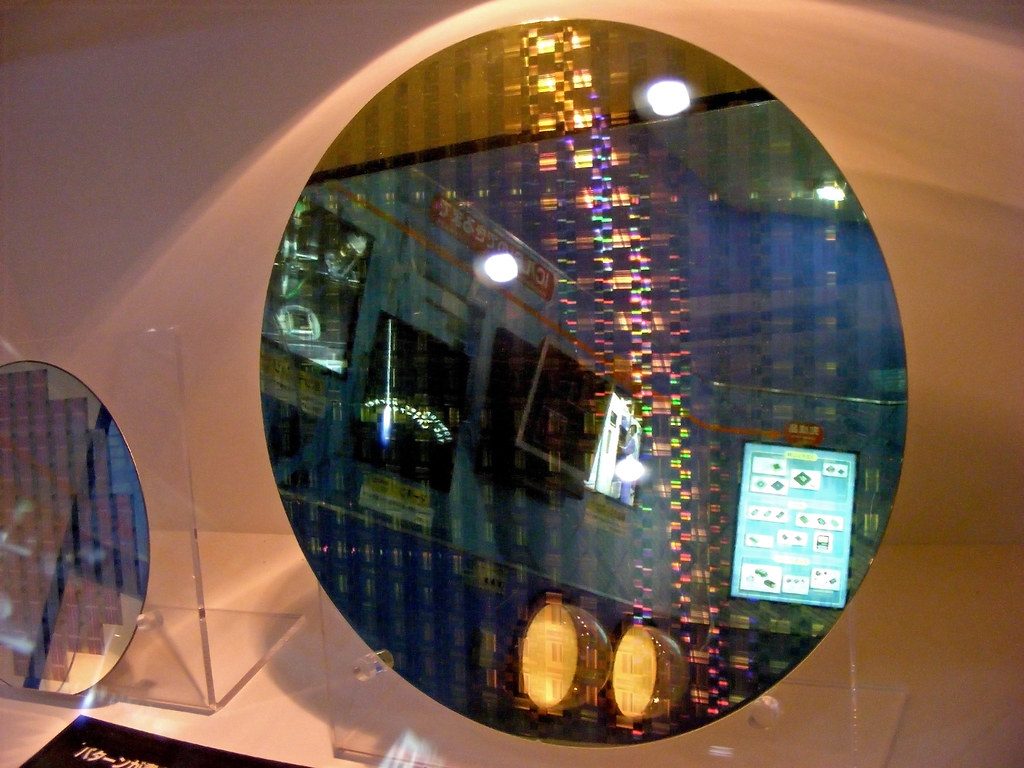
Every new flagship chip arrives with a smaller number attached, 5nm, 3nm, and onward, presented as obvious progress. Most people assume the number is a physical measurement of something on the chip. It is not, at least not anymore. Understanding what "3nm" actually means cuts through a layer of marketing that has quietly detached from physics.
What the number used to mean
Originally, the "nanometer" figure described a real physical dimension, roughly the size of the smallest features the manufacturing process could print, like the length of a transistor's gate. Smaller features meant you could pack more transistors into the same area, and more transistors meant more capable chips. So the shrinking number was a genuine, literal measure of progress, and chasing it drove the industry for decades.
RelatedTSMC Hikes Wafer Prices as Its Foundry Grip Tightens
Why it stopped being literal
As manufacturing advanced, the relationship between the marketed number and any single physical dimension broke down. Modern transistors are intricate three-dimensional structures, not flat features you can describe with one length. The "3nm" label no longer corresponds to an actual 3-nanometer measurement of anything specific on the chip. It has become a process-generation name, a marketing label for a manufacturing node, more than a ruler reading. Different manufacturers' "3nm" processes are not even directly comparable.
What it does still signal
The number is not meaningless, though. A smaller-labeled node generally still represents a real generational improvement: more transistors packed into the same space, and usually better energy efficiency and performance per transistor. So when a chip moves to a smaller node, it genuinely tends to be denser and more efficient than the one before, you just should not read the figure as a literal size. It is a proxy for "newer, denser process," not a measurement.
Why density is the real story
The metric that actually matters is transistor density, how many transistors fit per unit of area, because that is what determines how much capability and efficiency a chip can have. The industry markets nodes by name, but engineers care about density and power characteristics. This is also why progress is getting harder and more expensive: squeezing features ever smaller runs into stubborn physics, and each new node costs vastly more to develop and build than the last.
RelatedOpenAI's First Chip, Jalapeno, Targets Cheaper Inference
Why it matters
Knowing that "3nm" is a label, not a tape-measure reading, makes you a sharper reader of chip news. The smaller number still usually means real progress in density and efficiency, but the marketing has outrun the literal meaning, and rival "3nm" processes can differ significantly. The honest way to read a node number is as a generational signpost, newer and denser than the last, rather than a precise statement about the size of anything inside the chip.
This is also why comparing chips by node name across manufacturers is misleading. One company's "3nm" and another's are different processes with different real-world characteristics, named for marketing parity rather than measured equivalence. The honest way to compare chips is by what they actually deliver, performance, efficiency, and density in real workloads, not by which marketing number happens to be smaller.
Analysis by GenZTech.