
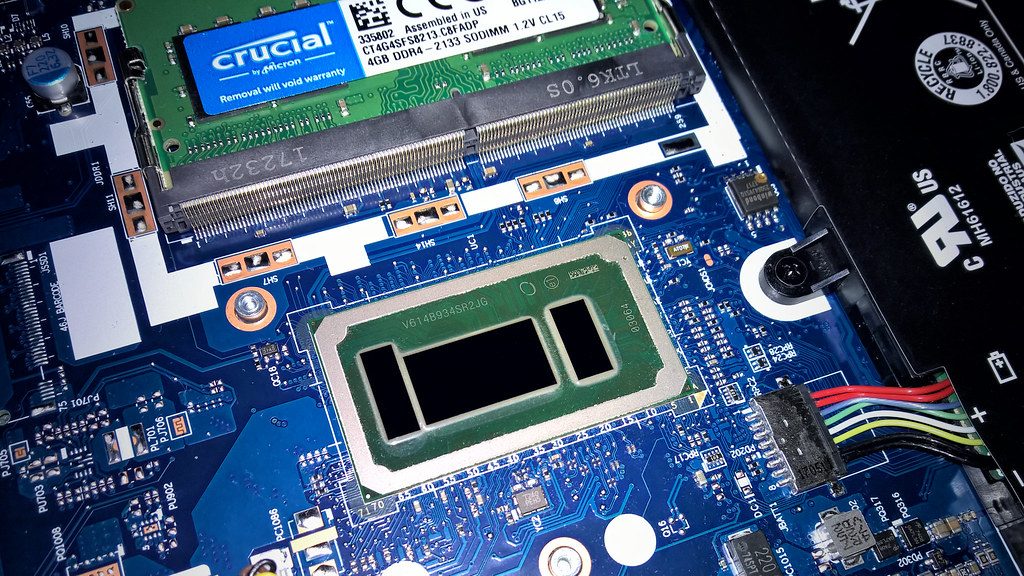
The laptop is quietly changing instruction sets. Apple proved an ARM chip could be faster and cooler than the x86 processors it replaced; now Qualcomm is dragging Windows down the same road. In 2026, ARM-based machines are on track for up to roughly 30% of all PCs shipped, and the reason is boring and decisive: performance per watt. The same efficiency that let ARM win the phone lets a laptop run all day, stay cool, and often go fanless — advantages x86 has spent years unable to match.
- Apple's 2020 switch to ARM (the M1) is complete; its M-series still sets the performance-per-watt bar.
- Qualcomm's Snapdragon X2 Elite (CES 2026) — up to 18 cores, an ~80-TOPS NPU, ~20-hour battery — makes Windows-on-ARM genuinely competitive.
- ARM is projected at up to ~30% of all PCs shipped by end-2026 (Canalys); Windows-on-ARM specifically is nearer 8–10%.
- The one real holdout is software: x86 emulation and app compatibility, improving but not universal, is what keeps x86 alive.
Why performance per watt changed everything
x86 was built for a world with a wall socket; ARM grew up in phones, where every milliwatt is rationed. That heritage shows up as efficiency — more work per watt of power and per degree of heat. In a laptop that compounds into the things people actually feel: all-day battery, no throttling under load, thin fanless designs, and instant wake. Apple's M1 made the point undeniable in 2020 by beating Intel's best laptop chips while sipping power, and the M-series has held that lead since. Qualcomm's pitch for Windows is the same physics, and with the X2 Elite the gap to Apple has narrowed to single digits.
RelatedWhat an NPU Is, and Why Your Laptop Suddenly Has One
| Platform | Apple M-series | Snapdragon X2 Elite | x86 (Intel / AMD) |
|---|---|---|---|
| Instruction set | ARM | ARM | x86-64 |
| Perf-per-watt | Best in class | Strong (near Apple) | Behind, improving |
| NPU (AI) | ~38 TOPS (M4) | ~80 TOPS | ~50 TOPS (Lunar/Panther Lake) |
| OS & apps | macOS, native | Windows, some emulation | Windows/Linux, all native |
| Battery life | Excellent | Excellent | Good |
| Wins for | Mac buyers | Thin-and-light Windows, AI PCs | Compatibility, gaming |
What still holds ARM back on Windows
Not silicon — software. Windows carries three decades of x86 applications, and anything not recompiled for ARM runs through emulation, which costs performance and occasionally breaks. Microsoft's translation layer has improved a lot, and the biggest apps now ship native ARM builds, but the long tail — niche enterprise tools, older utilities, some games with kernel-level anti-cheat, specialised drivers — is exactly where compatibility bites. Apple sidestepped this with a tightly controlled transition and a superb translator (Rosetta 2); Windows, with its sprawling open ecosystem, cannot dictate the same march. That friction, not efficiency, is the real brake.
The road from a Mac experiment to a market shift
- 2020Apple M1. The Mac's ARM transition begins and proves the efficiency case.
- 2021–2023Apple Silicon completes. The whole Mac line moves to M-series; x86 Macs end.
- 2024Snapdragon X Elite + Copilot+ PCs. Windows-on-ARM gets its first genuinely competitive chip and a marketing push.
- 2025ARM reaches ~13% of PCs. Adoption climbs; app compatibility keeps improving.
- Jan 2026Snapdragon X2 Elite. Up to 18 cores and an ~80-TOPS NPU narrow the gap to Apple.
- 2026Up to ~30% of PCs (projected). Windows 10 end-of-life refresh and AI-PC demand accelerate the shift.
Is x86 finished?
No — and predicting its death is a good way to be wrong. x86 still has the vast majority of the installed base, near-perfect app compatibility, and the gaming ecosystem, and Intel's Lunar and Panther Lake and AMD's recent parts have clawed back a lot of the efficiency gap that made the M1 look magical. The realistic 2026 picture is not replacement but coexistence: ARM taking the thin-and-light, long-battery, AI-PC segment where efficiency sells, while x86 holds compatibility- and performance-sensitive niches. The direction of travel favours ARM; the timeline is measured in years, not quarters.
- Windows-on-ARM app compatibility. The single variable that decides how high ARM's Windows share climbs. Emulation is good; "good enough for everyone" is the bar.
- New ARM PC entrants. Nvidia and MediaTek are reportedly targeting ARM PCs — more competition would break Qualcomm's Windows monopoly and push prices down.
- Apple's next move. The M5 generation keeps the efficiency ceiling moving, forcing everyone else to chase.
- The enterprise refresh. Windows 10's end of life is pushing a hardware cycle; how much of it lands on ARM is the swing factor.
Our take
ARM is eating the laptop not because of a marketing cycle but because of thermodynamics: efficiency is the one advantage that shows up in every metric a laptop buyer cares about, and ARM has it structurally. Apple already ran this play to completion; Windows is now a few years into the same arc, gated almost entirely by software compatibility rather than chip performance. Betting against x86 outright is still premature — its ecosystem is enormous and its efficiency is improving — but the trend line is not ambiguous. The question stopped being whether ARM belongs in laptops and became how fast Windows can drag its software with it.
- SiliconQualcomm Snapdragon X Series — X2 Elite specs
- BenchmarkNotebookcheck — X2 Elite analysis — independent efficiency testing
- MarketCanalys — ARM PC share projections
- AppleApple silicon (Mac) — the M-series line
Original analysis by GenZTech. Figures approximate, current as of July 2026.