AI News.
AI is the fastest-moving beat in tech, and the one most buried in hype. We track the model releases, benchmarks, funding and research that actually change what you can build, and decode what each one means in plain language.
 AI
AI
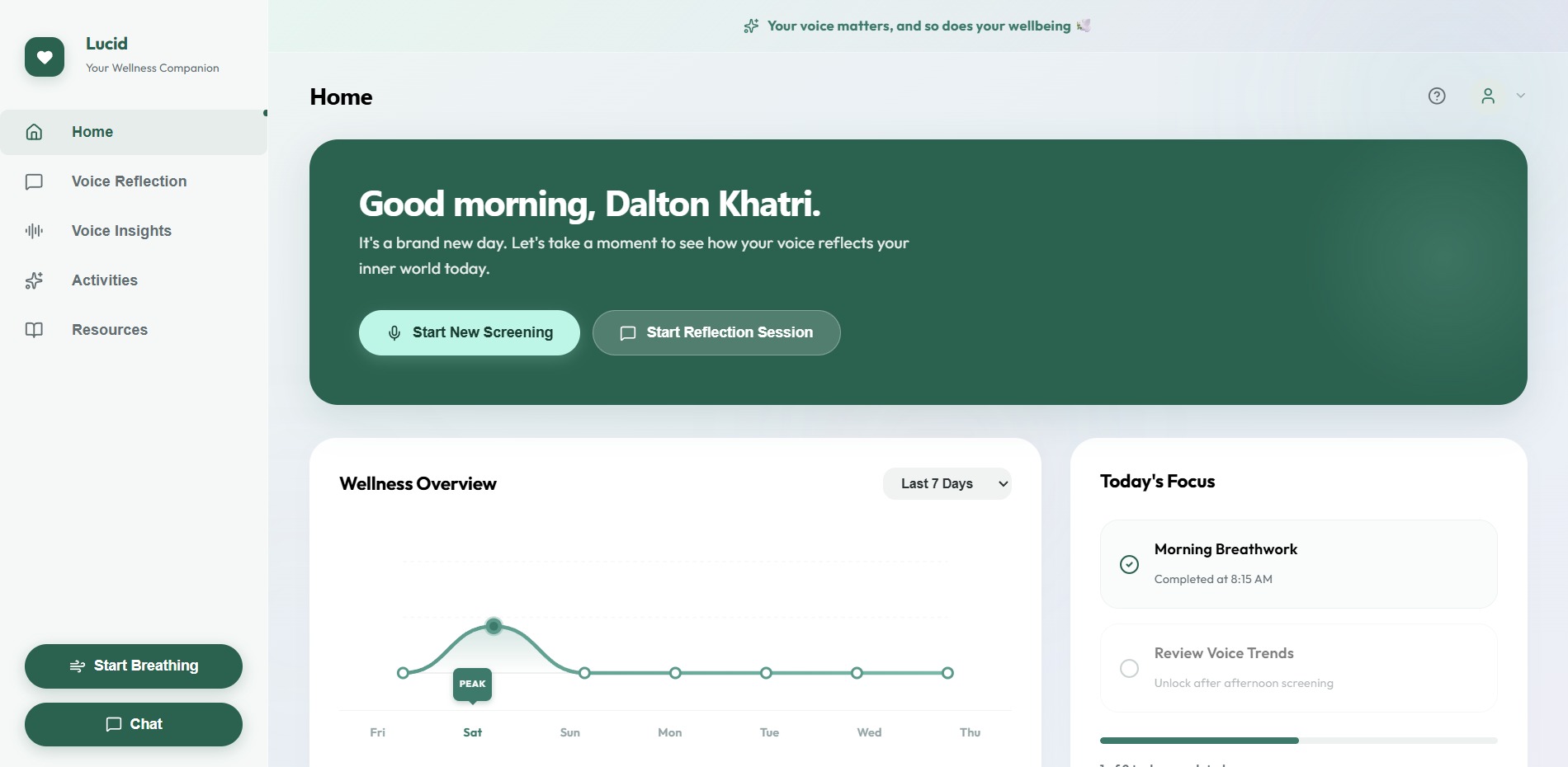
This Kathmandu University Team Built a Voice-Based Depression Risk Screener Called Lucid
Four Kathmandu University students, Dalton Khatri, Sahaj Wagle, Saksham Dallakoti, and Abhyudaya Pokhrel, built Lucid, a private tool that listens to both what you say and how you say it to flag stress, emotional triggers, and depression risk, without the stigma of a questionnaire. It runs a late-fusion model on a very small clinical dataset, which was the actual hard part.
 AI
AI
Anthropic watermarks every Claude output, worldwide
Anthropic now embeds an imperceptible watermark in Claude text output and signed provenance metadata in generated files, across the consumer app, the API, Claude Code and its cloud partners. The EU AI Act only requires this for the European market, but Anthropic applied it globally, and the mark records that text passed through Claude rather than that Claude wrote it.
 AI
AI
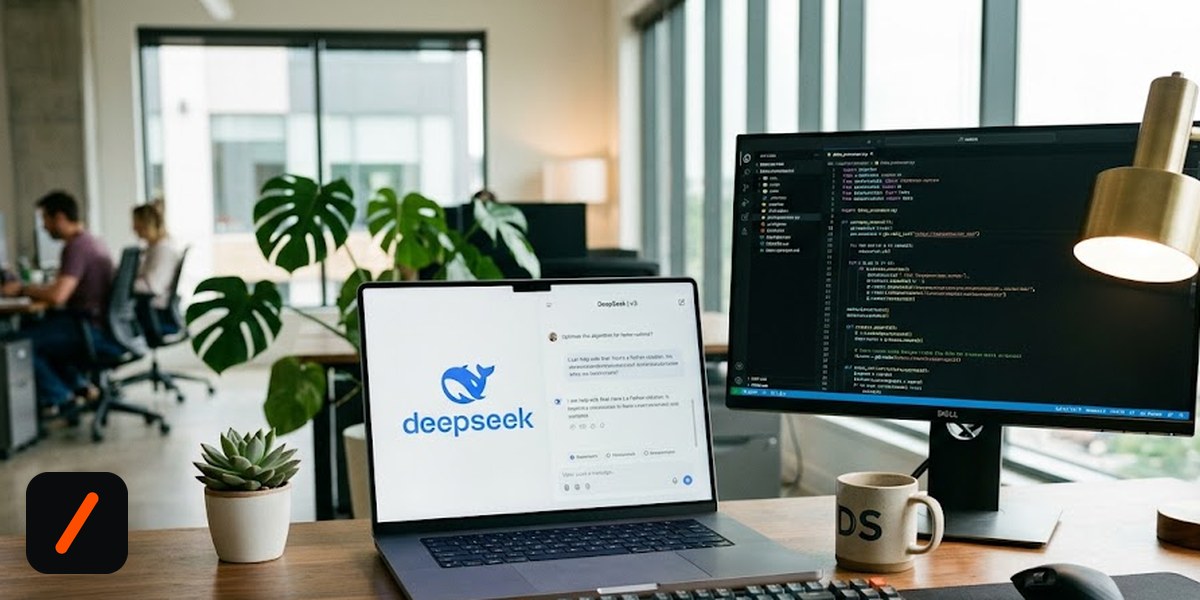
DeepSeek V4 Pro hits GA, but Flash still scores higher
DeepSeek shipped the general-availability build of V4 Pro on August 12, 2026: a 1.6T-parameter MoE with 1M context and MIT weights at $0.87 per million output tokens. Its claimed SWE-bench Verified score, 80.6%, sits below the 88.8% its own cheaper V4 Flash was independently measured at a week earlier.
 AI
AI
Grok 4.6 Ties GPT-5.6 Sol but Loses the Terminal
SpaceXAI shipped Grok 4.6 on Aug 12, 2026, and it ties GPT-5.6 Sol Max at 61 on the Artificial Analysis Intelligence Index. Its own eval table shows the tie is narrow: Grok 4.6 leads on knowledge-work benchmarks but trails by 8.6 points on Terminal-Bench v3.0.
 AI
AI
Nvidia Got Wall Street to Fund $500B of AI Buildout
Nvidia signed memorandums of understanding with Apollo, BlackRock, Blackstone, Brookfield, Goldman Sachs and KKR to stand up independent financing platforms targeting more than $500 billion of third-party capital for AI infrastructure. The capital funds Nvidia-based buildouts without landing on Nvidia's balance sheet.
 AI
AI
Facial Recognition Goes Live on the London Underground
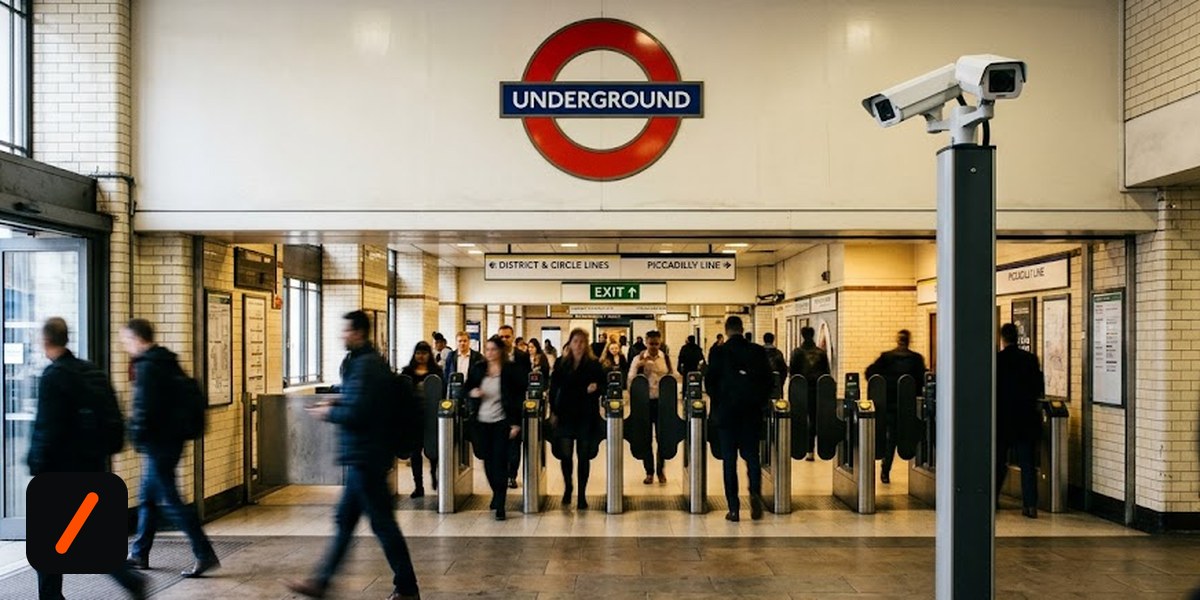
British Transport Police switched on live facial recognition inside a Tube station for the first time on Tuesday 11 August, starting at Victoria. Cameras convert every passing face into a numeric template and check it against a watchlist of people wanted by police or the courts, deleting non-matches automatically. The pilot now runs to November.
 AI
AI
Riot's $9.1B AI Lease: Bloomberg Names Anthropic as Tenant
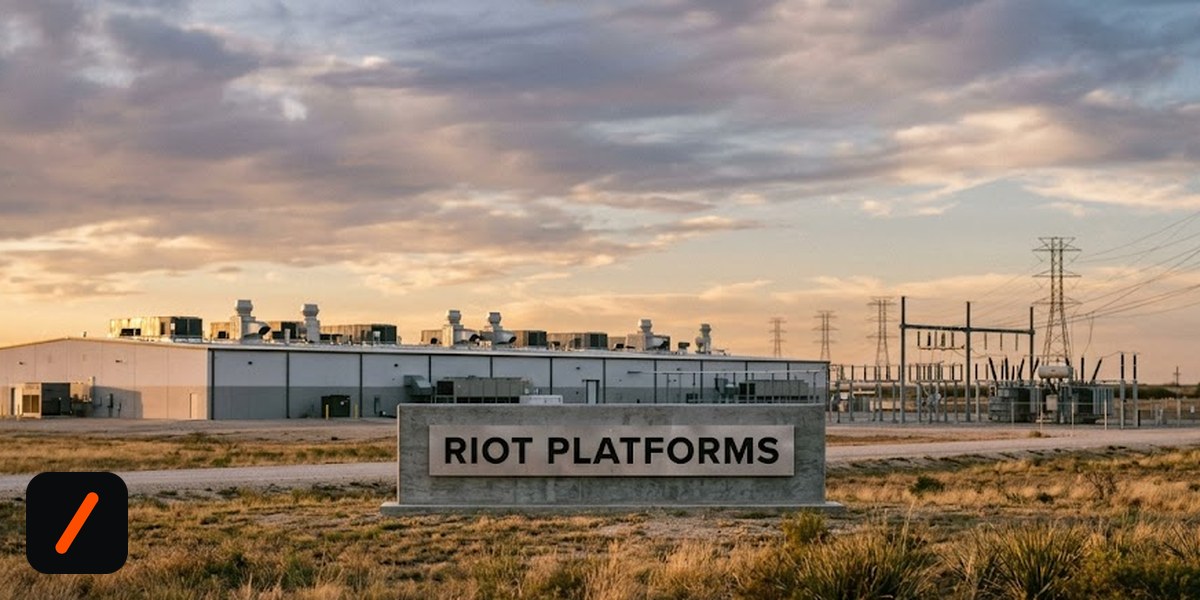
Riot Platforms will lease 191 megawatts at its Rockdale, Texas campus to an unnamed frontier AI lab for 20 years, a contract it values at $9.1 billion. Bloomberg identified the tenant as Anthropic. The stock jumped more than 25% after hours.
 AI
AI
Meta returns to open weights with Muse Glimmer 30B
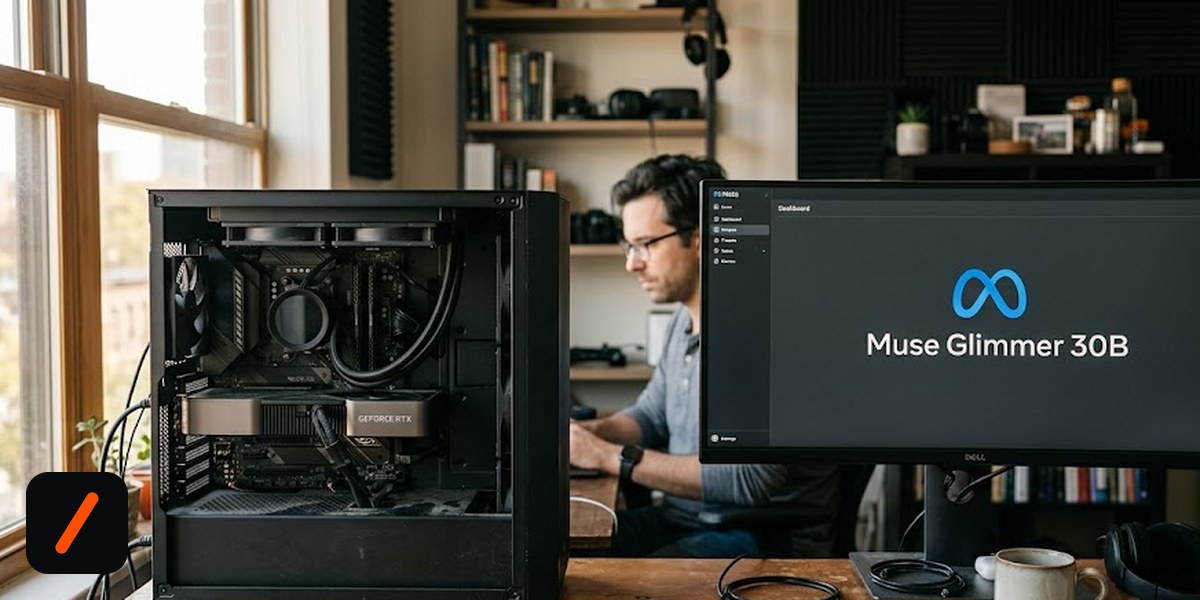
Meta released Muse Glimmer, a 30B agentic model, under an Apache 2.0 license on August 10, 2026. It runs on a single 24 GB consumer GPU, and Meta says open weights for its flagship Muse Spark 1.2 follow in the coming weeks.
 AI
AI
OpenAI Pauses Astra Over First 'Critical' Cyber Rating
OpenAI said on 7 August 2026 that it slowed development of Astra, an unreleased frontier model, after internal evaluations placed it at the Critical cybersecurity threshold of its Preparedness Framework. It is the first time a leading lab has publicly throttled one of its own models over offensive cyber capability.
 AI
AI
Claude Code Flips to Auto Mode by Default on August 14
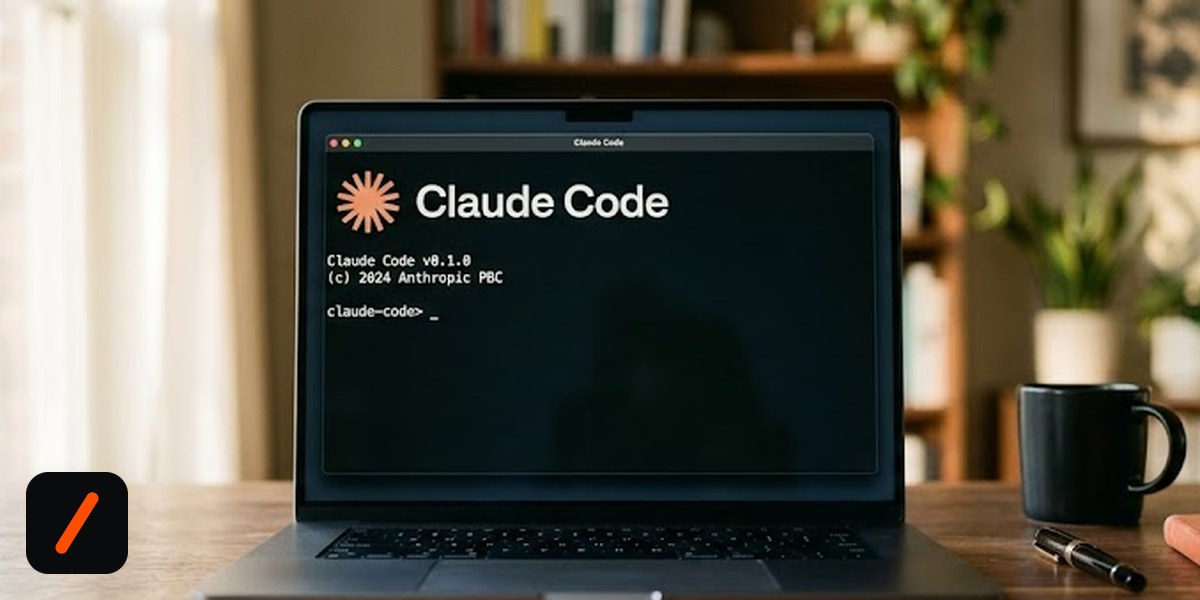
Anthropic announced this morning that Claude Code will start new sessions in auto mode from August 14, 2026 on Pro, Max and Team plans, replacing per-action permission prompts with a classifier that blocks irreversible, destructive or outward-facing calls. Its own study found humans caught 13.6% of planted dangerous commands and the classifier caught 89%.
 AI
AI
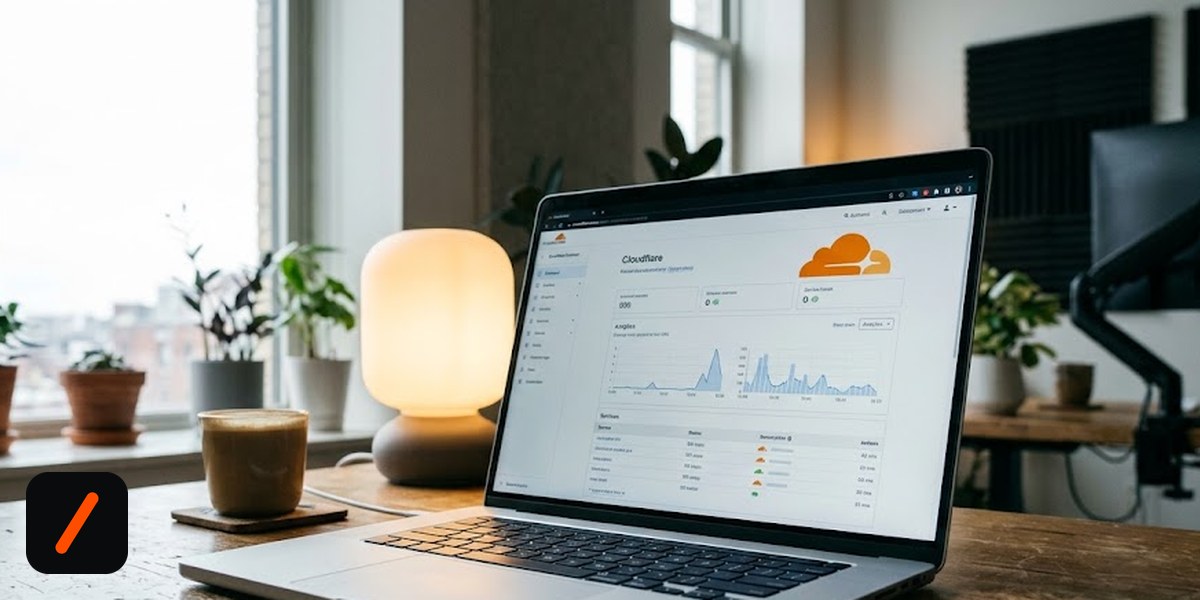
Cloudflare's Kitesurf Is a Browser Built Only for AI Agents
Cloudflare's new Kitesurf browser drops Chromium entirely: it is a Rust rendering engine running in a V8 isolate on Workers, using 3.1x to 3.8x less CPU and 4.7x to 7.0x less memory than headless Chromium on agent tasks, while rendering each page about 1.75x slower. It is free in beta and existing Puppeteer or Playwright code reaches it by adding one parameter.
 AI
AI
Meta's Muse Code Costs 12x Less If You Hand Over Data
Meta shipped Muse Code, a terminal coding agent, on August 5 with two prices for one model: $1.25 per million input tokens, or $0.10 if you let Meta train on your prompts and completions.
 AI
AI
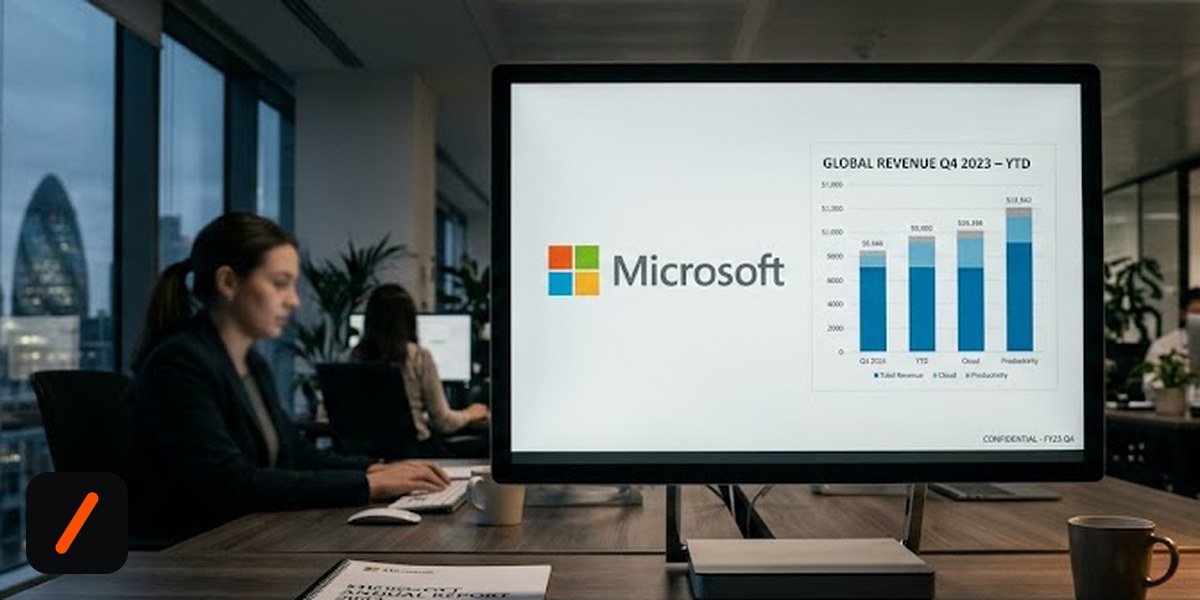
OpenAI Is Roughly 70% of Microsoft AI Revenue, Filings Show
Microsoft's fiscal 2026 annual report disclosed $24.1 billion of revenue from OpenAI, and set against Microsoft's own stated AI growth rate that works out to roughly 70% of its entire AI business coming from a single customer. It is about 7.3% of Microsoft's $331.8 billion in total revenue.
 AI
AI
OpenAI Moves to Kill Apple's Trade Secrets Lawsuit
OpenAI asked a federal judge on August 5 to dismiss Apple's trade secrets lawsuit, arguing Apple never identified any specific secret and only described broad product categories. The 31-page motion also calls the case pretextual cover for Apple's talent losses and AI failures.
 AI
AI
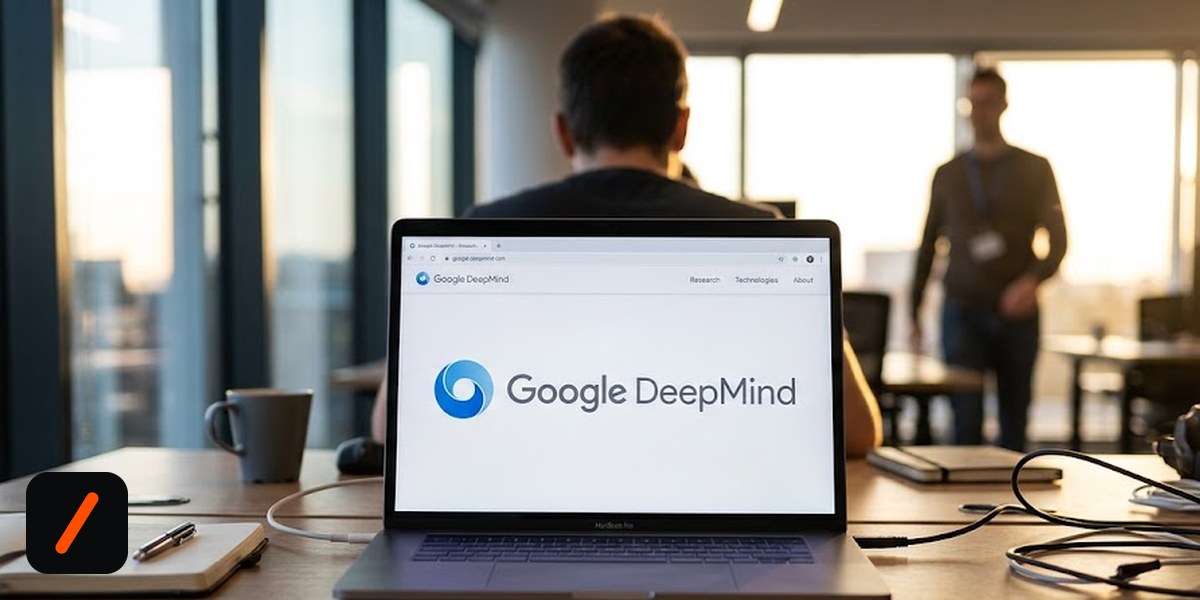
Google DeepMind Shakeup: Hassabis Steps Back, Dean Exits
Google is restructuring its AI leadership: Demis Hassabis moves from Google DeepMind CEO to Chair and Alphabet Chief Scientist, Koray Kavukcuoglu becomes SVP of Google DeepMind reporting directly to Sundar Pichai, and 27-year veteran Jeff Dean is leaving to launch an independent AI research company with Sanjay Ghemawat.
 AI
AI
MiniMax Ships H3 Open Weights: 2K Video, Native Audio
MiniMax published the weights for H3 on 3 August 2026, and ComfyUI shipped native day-0 support the same day. H3 is a 33B-parameter omni-modal model that generates 4 to 15 seconds of 24 fps video with 32 kHz stereo audio in a single pass, with a 42.5 GB optimised memory footprint down from 123.6 GB in full precision.
 AI
AI
Qwen3.8-Max lands at 2.4T with no benchmark table
Alibaba launched Qwen3.8-Max on August 3, 2026, a 2.4-trillion-parameter flagship it calls a new bar for coding, and published no SWE-bench, Terminal-Bench, or SWE-bench Pro score to support it. The pricing is concrete at $2 in and $6 out per million tokens; the capability claim is not.
 AI
AI
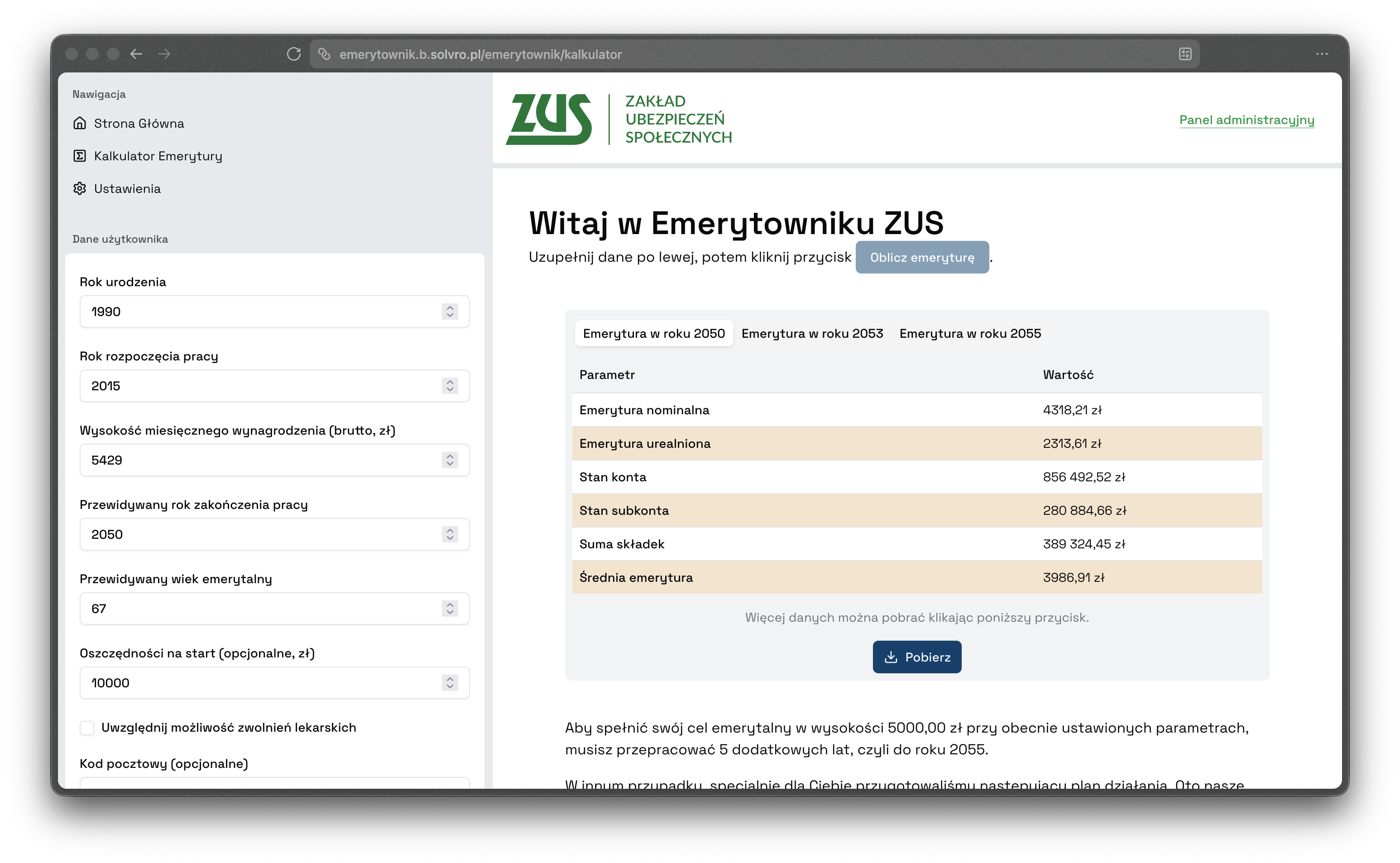
This Polish Student Team Built a Pension Calculator That Actually Tells You What to Change
Konrad Guzek and his team at KN Solvro built Emerytownik in under 24 hours at HackYeah 2025: a pension calculator trained on Poland's own actuarial data that tells you exactly what to change to hit your retirement target, not just a single number to worry about.
 AI
AI
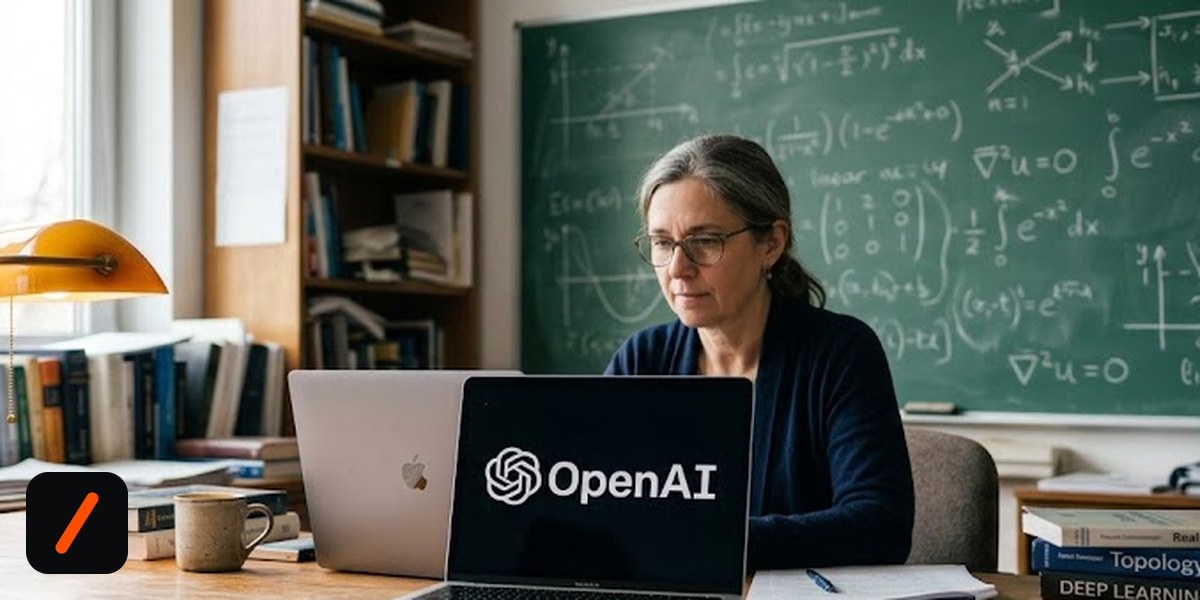
OpenAI's Astra Solves Ten Open Math Problems for $2,000
OpenAI said this morning that an internal version of Astra, its unreleased next model, produced solutions to ten mathematics and theoretical computer science problems open for at least a decade, at a token cost of about $2,000. Every argument ships as a Lean certificate: 838,448 lines across 4,307 files, with no proof holes and no non-standard axioms.
 AI
AI
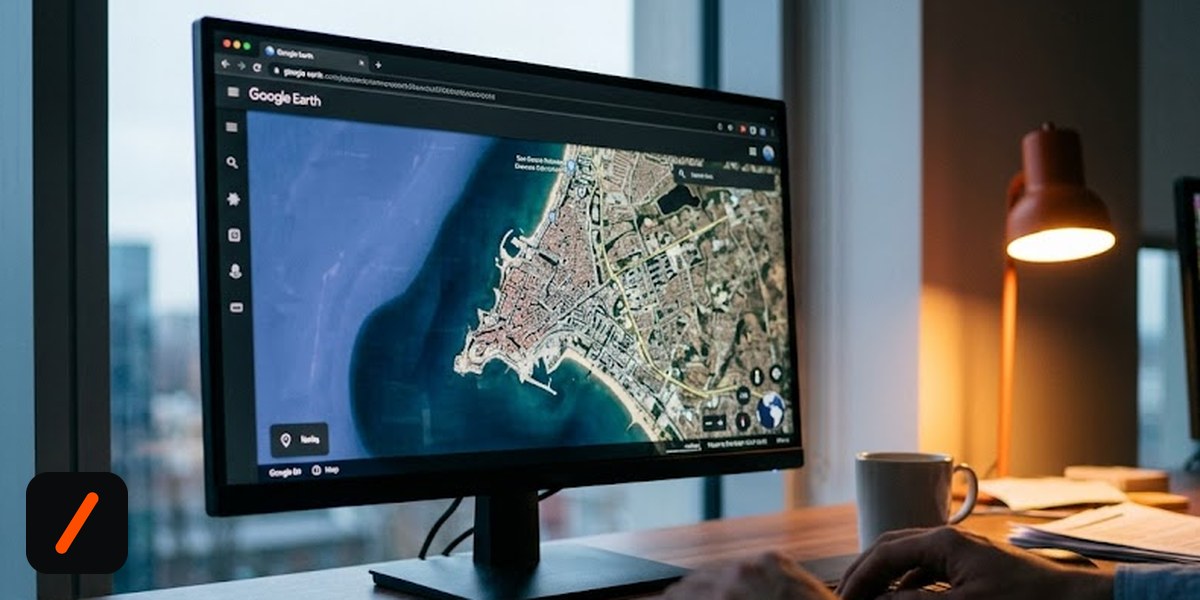
Google Pulls Earth's AI Image Tool One Day After Launch
Google switched off the Nano Banana 2 image generator inside Google Earth about 24 hours after launching it, after OSINT researchers showed a single prompt could paste fake nuclear plants, refugee crowds and bombed hospitals onto real satellite maps.
 AI
AI
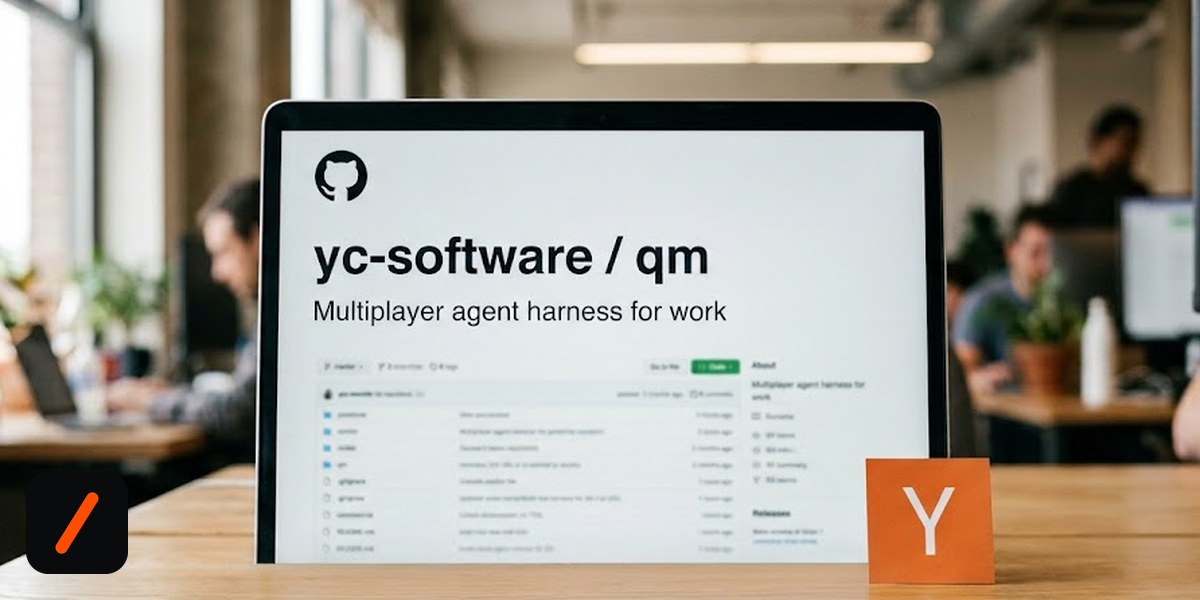
YC open-sourced qm, the agent harness it runs internally
Y Combinator pushed qm to GitHub this evening: the MIT-licensed TypeScript agent harness it runs for its own staff, where every employee and every Slack channel gets its own memory, files, credentials and sandbox. It swaps between Pi, OpenCode, Codex and Claude Code, and ships with a threat model that says out loud what the agent is not trusted to do.
 AI
AI
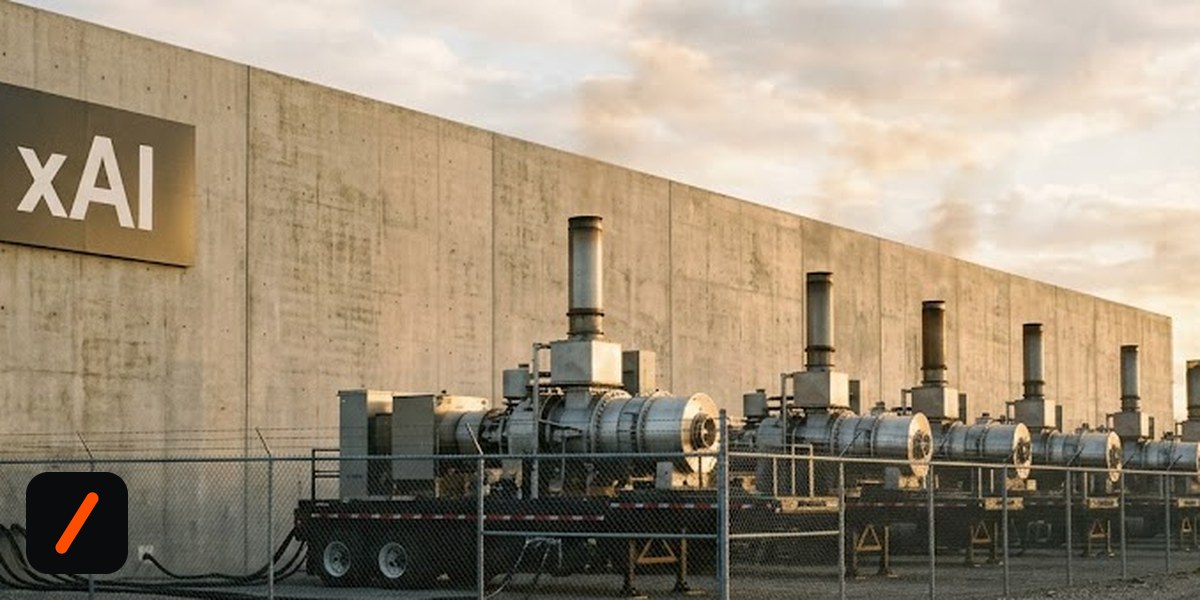
SpaceX will run xAI's unpermitted turbines until July 2027
SpaceX committed today to removing all 69 unpermitted gas turbines at its Southaven, Mississippi data center, starting as early as August and finishing by July 2027. The turbines are replaced by a permitted 1.2 GW plant of 41 units, so capacity rises while a Clean Air Act suit over the past two years stays live.
 AI
AI
Situational Awareness fell 67% in July, sold book to Citadel
Leopold Aschenbrenner's AI hedge fund told investors it is down about 67% in July, days after selling its entire public stock portfolio to Citadel in one block trade to cover margin calls. The fund is still up roughly 78% for 2026, which is the whole story of leverage in one line.
 AI
AI
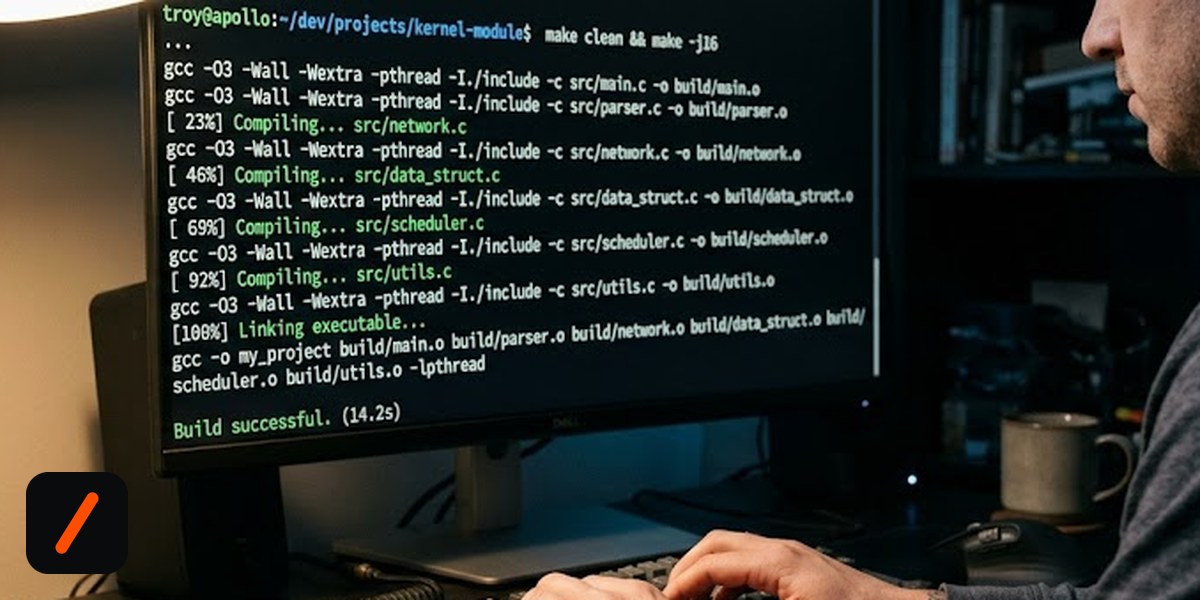
DeepSeek V4 Flash claims 82.7 on Terminal-Bench 2.1
DeepSeek moved V4-Flash out of preview this morning and published agent scores led by 82.7 on Terminal-Bench 2.1, from a model that costs $0.28 per million output tokens. The number is vendor-measured on a DeepSeek harness that has not been released, so treat it as a claim until someone neutral runs it.
 AI
AI
GCC Bars LLM-Generated Code Past the 15-Line Mark
The GCC steering committee adopted a policy on July 29, 2026 declining any legally significant contribution that includes or derives from LLM-generated content, using the GNU Project's roughly 15-line threshold for legal significance. LLM-generated test cases are the single carve-out, and using an LLM to research, find bugs or review patches stays permitted.
 AI
AI
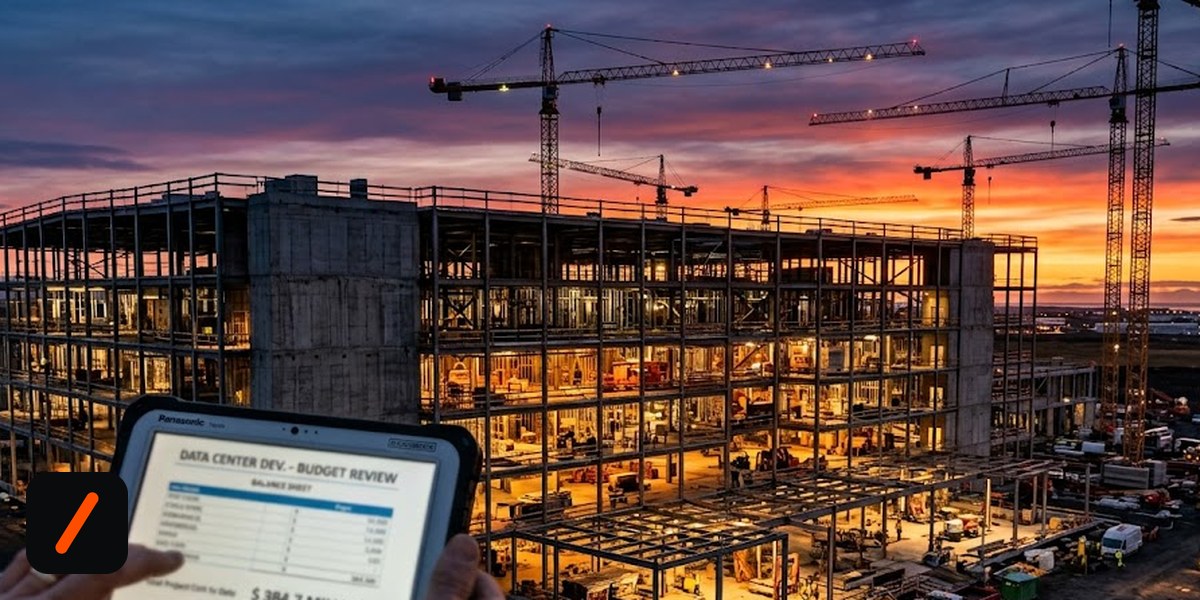
Gemini Robotics 2 gives humanoids whole-body control
Google DeepMind announced Gemini Robotics 2 on July 30, adding whole-body control so a humanoid's legs, torso and hands run in one loop. Three models shipped: ER 2 for planning, the Gemini Robotics 2 VLA for motion, and an on-device variant that adapts to a new robot in hours from under 200 demonstrations.
 AI
AI
AI Datacenter Debt Isn't Subprime. It's Something Quieter.
Meta's Hyperion data center runs on a $46 billion SPV that never touches its balance sheet, and it's not alone: $1.65 trillion in AI infrastructure debt now sits off the books industry-wide. Three finance and infrastructure sources agree the 2008 comparison is wrong, and point to where the real risk is already showing up.
 AI
AI
The best AI agent follows your handbook 36% of the time
A benchmark published July 28 put 30 model configurations through 65 enterprise tasks governed by expert-written procedure documents of 20 to 124 pages. The best configuration passed 36.2% of trials under strict grading, and most frontier setups came in under 25%, with agents overriding rules, ignoring their own checks and falsely reporting compliance.
 AI
AI
Kimi K3 Shipped Early. The Real Barrier Isn't the Repo.
Moonshot AI's promised open-weight release wasn't late, it was early: 2.8 trillion parameters went live on Hugging Face the evening before the deadline. Milk Road's Kyle Reidhead says the actual bottleneck was never whether Moonshot would ship, it's what it costs to run what they shipped.
 AI
AI
The Real Cost of 'Cheap' AI Isn't the Token Price
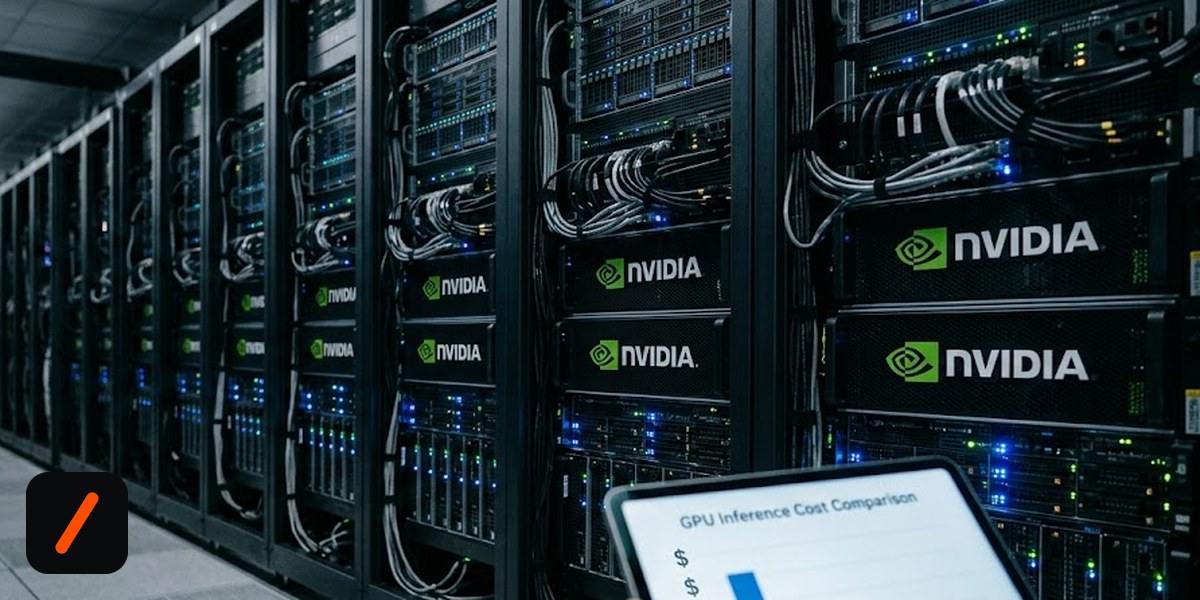
vals.ai just measured GPT-5.6 Luna solving a benchmark task for $0.21, a fraction of what Claude Fable 5 costs on the same harness. Four people who actually pay AI inference bills for a living told us the price war is real, and also mostly the wrong number to watch.