Hardware News.
The chips, GPUs and data-center hardware underneath the AI boom, explained without the spec-sheet jargon. We cover new silicon from Nvidia, AMD, Intel, Apple and the custom-ASIC challengers, and why each launch matters for cost, performance and who wins.
 Hardware
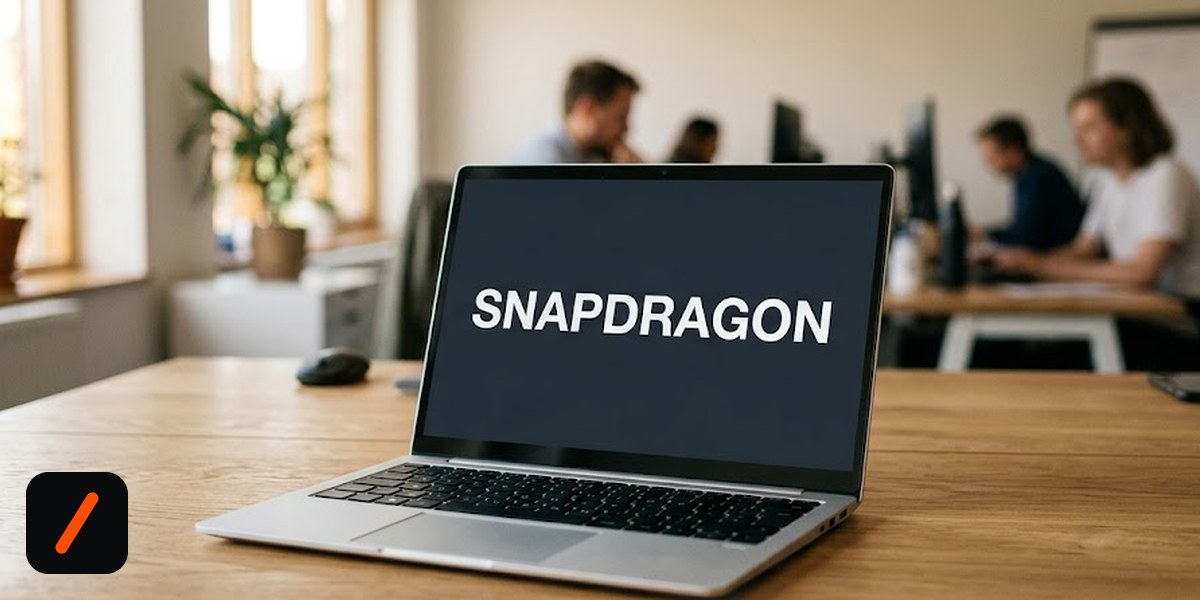
Snapdragon C specs land, minus the plugged-in benchmarks
Qualcomm published a full Snapdragon C spec sheet for the first time on August 13, 2026: an 8-core Kryo CPU peaking at 3.0 GHz single-core and 2.0 GHz multi-core, 2 MB of total cache, an Adreno GPU at 900 MHz, and a Hexagon NPU with no TOPS figure attached. Every performance claim against Intel's N250 was measured on battery, and Qualcomm published nothing for plugged-in performance.
 Hardware
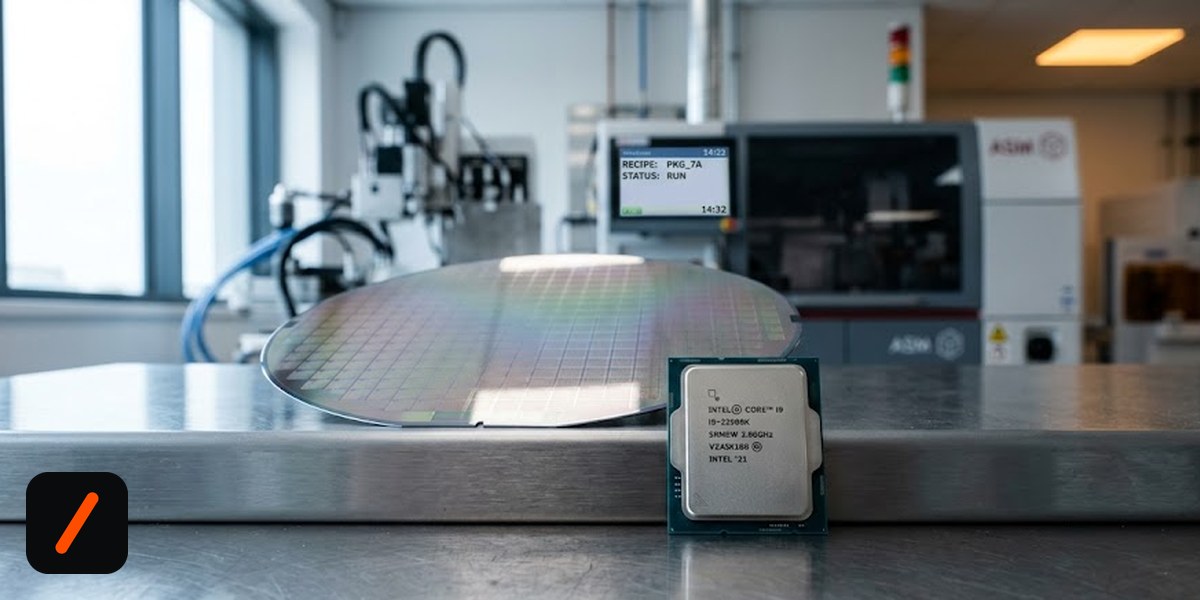
Intel's $15B Stock Sale Bets on Packaging, Not CPUs
Intel is raising $15 billion in new stock, and its own list of priorities puts advanced packaging and external wafers ahead of CPUs. Selling equity rather than debt is deliberate: it protects the investment-grade rating Intel says it wants to keep.
 Hardware
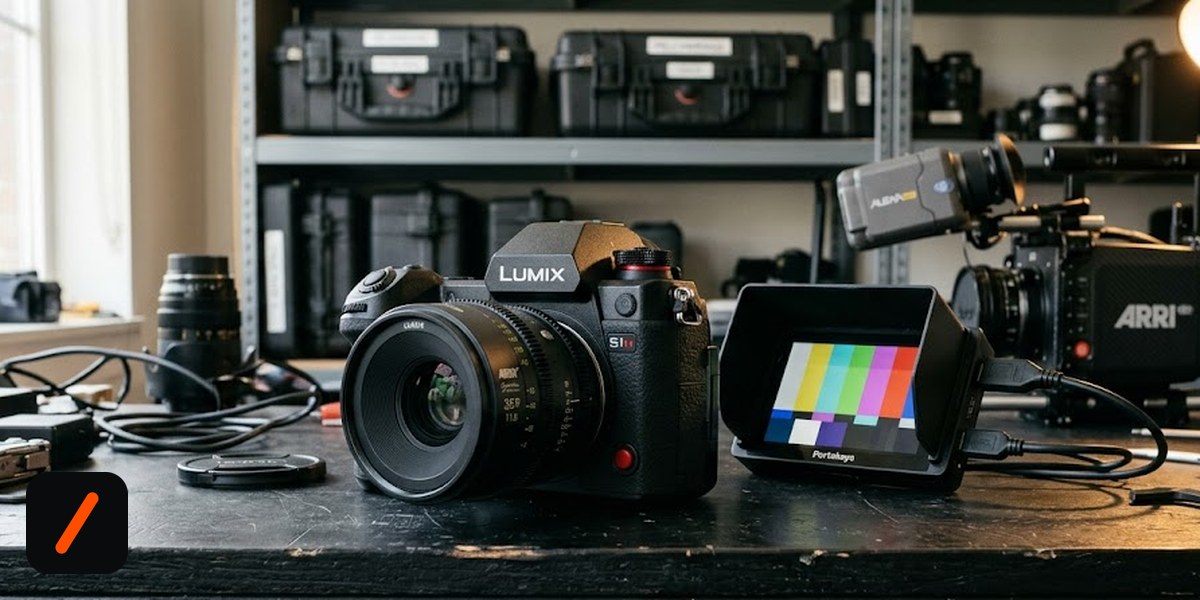
Japan Court Kills RED's Compressed RAW Patent
Japan's IP High Court upheld the invalidation of RED's compressed RAW video patent JP 5231529 on 30 June 2026, ending a challenge Panasonic filed in 2022. Sony, Apple and Nikon all attacked the same patent family and failed. Nikon, which bought RED in 2024, lost this one defending it.
 Hardware
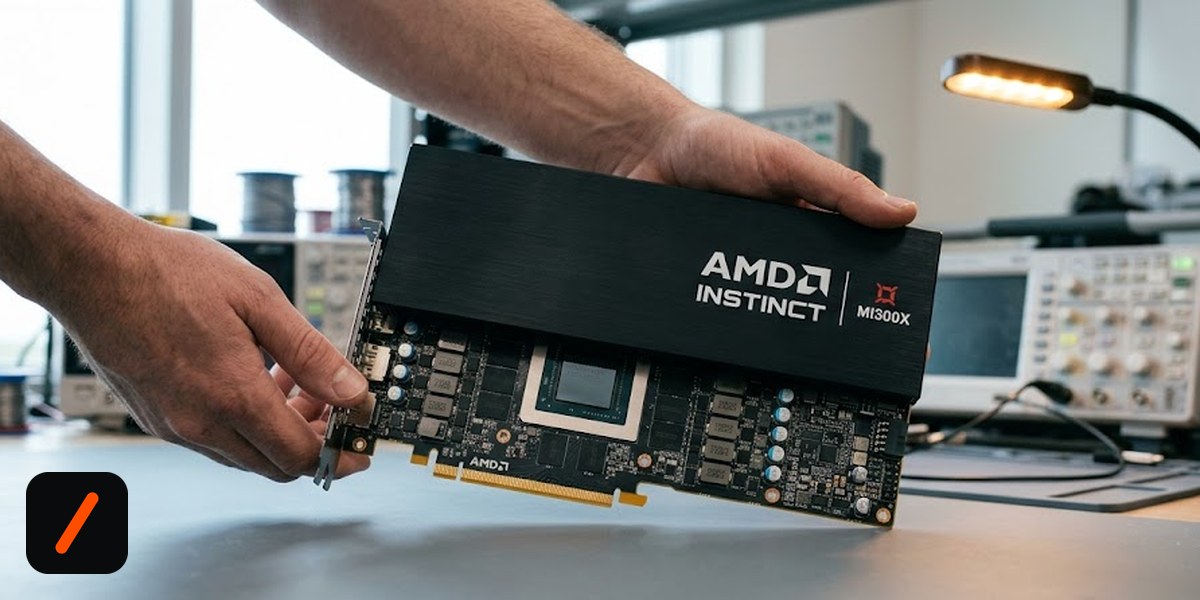
AMD buys Taalas, betting on AI models etched into silicon
AMD is acquiring Toronto startup Taalas, which builds chips with AI model weights etched directly into the silicon instead of streamed from HBM. AMD plans to pair them with its Helios racks so GPUs handle prompt processing while Taalas parts generate tokens, with the deal expected to close in Q4 2026.
 Hardware
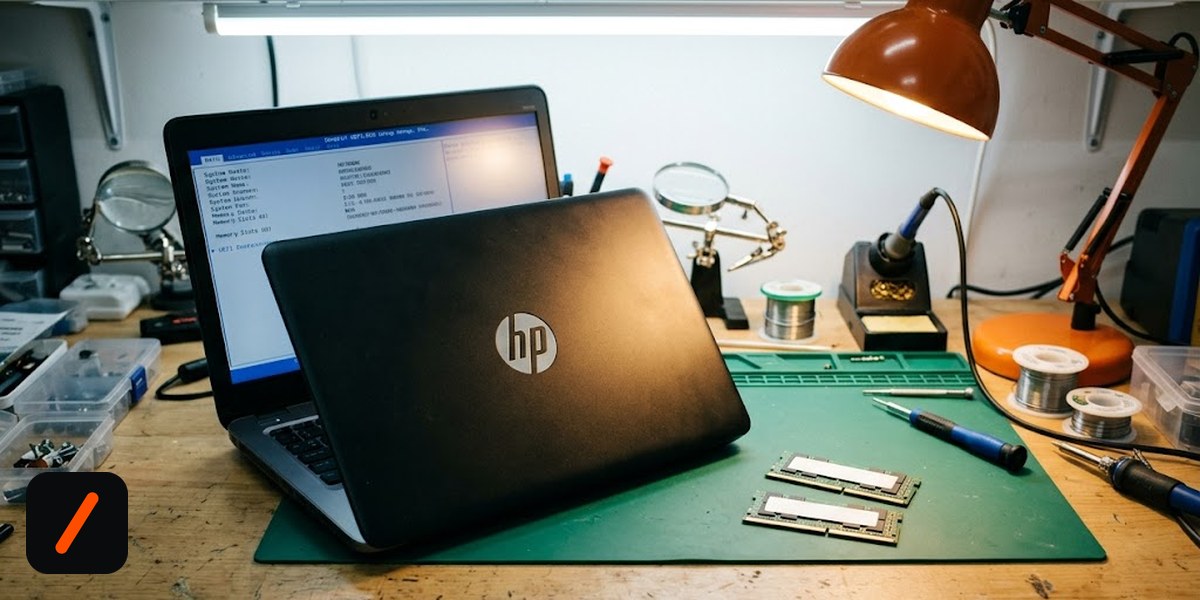
Chinese DRAM Quietly Ships Inside HP and Asus Laptops
HP, Asus and Acer have qualified DRAM from China's CXMT and started shipping it in notebooks sold outside the United States, because AI data centres are absorbing roughly 70% of 2026 memory output.
 Hardware
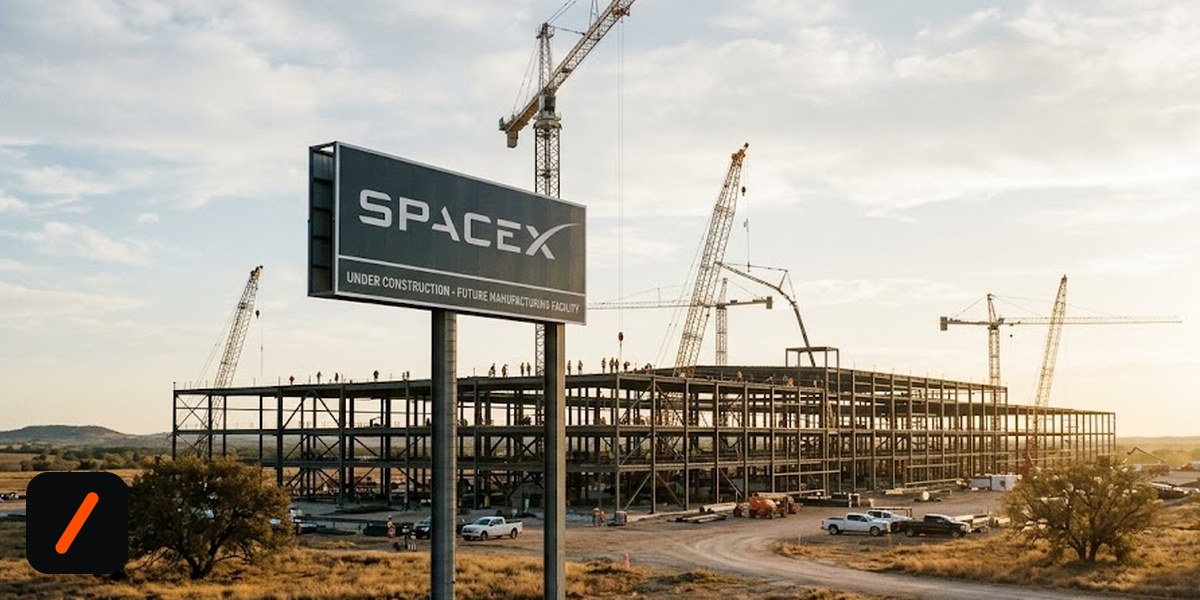
Tesla and SpaceX Commit $16.8B to Terafab Chip Plant in Texas
SpaceX and Tesla confirmed this morning they will spend $16.8 billion to start building Terafab, a semiconductor plant in Grimes County, Texas that makes logic, memory, packaging and test under one roof. It is the first tranche of a plan that a May filing valued at up to $119 billion.
 Hardware
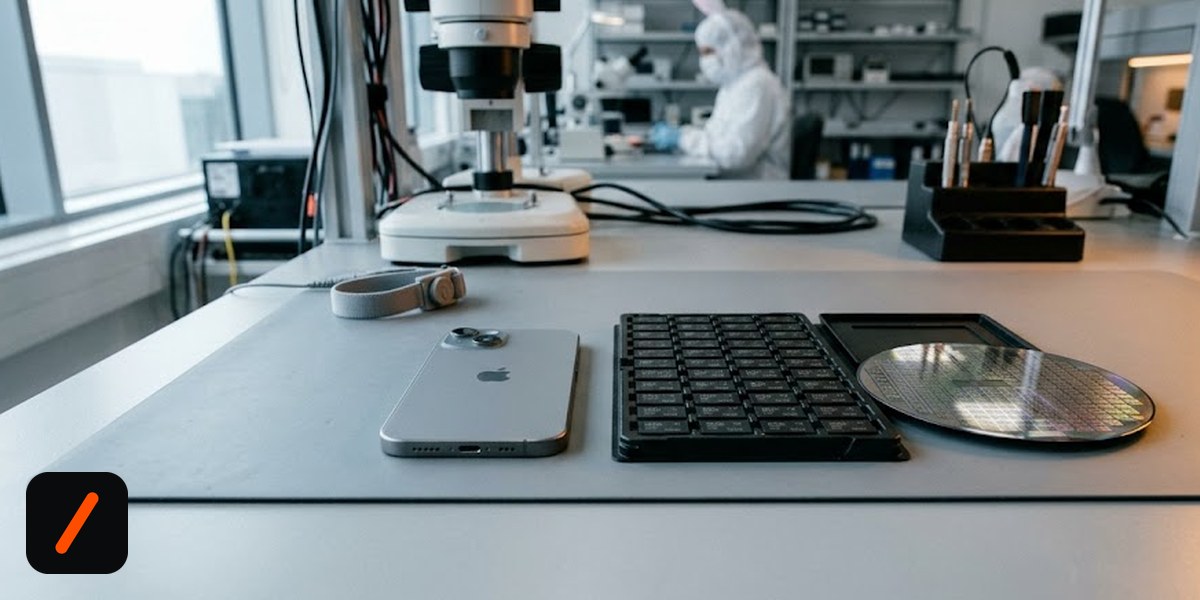
$1B of iPhone 18 Pro Chips Are Stuck Waiting on DRAM
Roughly $1 billion of finished A20 Pro processors is sitting at TSMC unable to be packaged, because Apple's new WMCM process fuses the chip and its memory in a single step and the DRAM has not arrived. The iPhone 18 Pro launches in under six weeks.
 Hardware
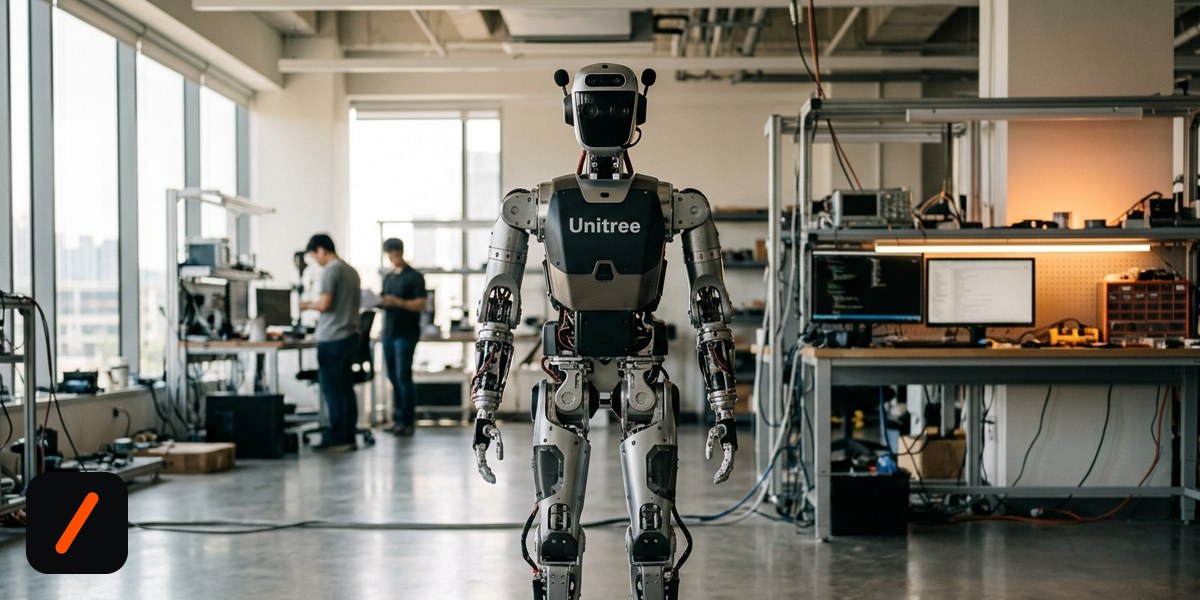
FCC Bans Chinese Humanoid Robots, Beijing Threatens Payback
The FCC added foreign-made humanoid and quadruped robots to its Covered List on July 29, blocking new imports. China, which holds roughly 85% of the global humanoid market, threatened countermeasures the next day.
 Hardware
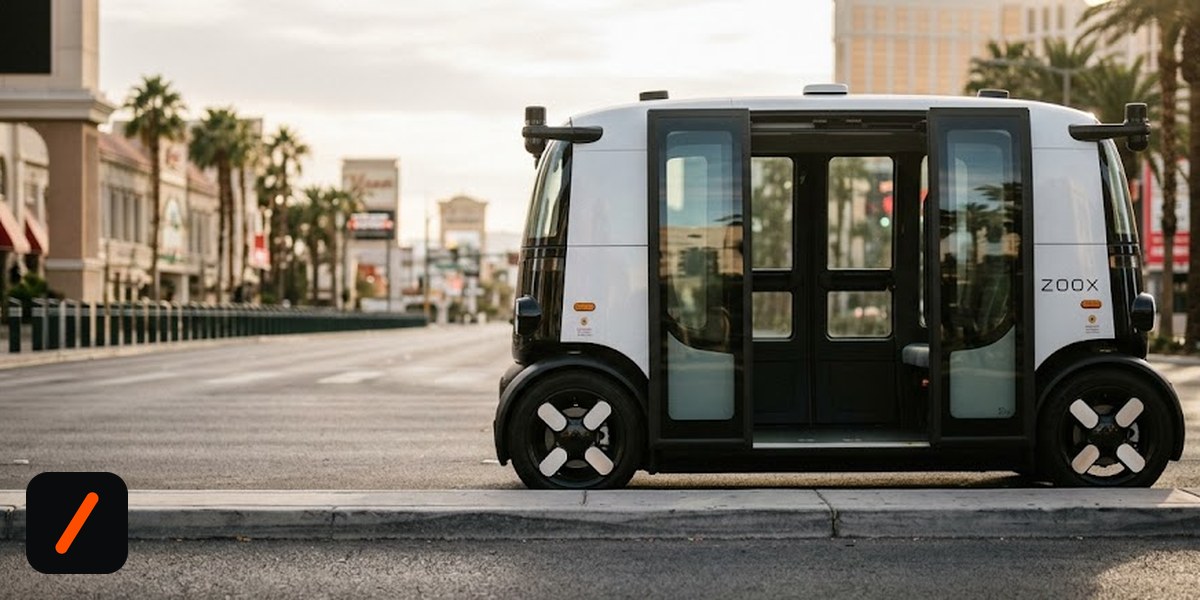
Zoox clears NHTSA for paid robotaxi rides, capped at 2,500
NHTSA granted Zoox the first commercial Part 555 exemption ever issued for a purpose-built robotaxi, clearing the Amazon-owned company to charge fares in a pod with no steering wheel or pedals, starting in Las Vegas next month. The grant caps deployment at 2,500 vehicles a year for two years, roughly a quarter of what Zoox's own factory was built to produce.
 Hardware
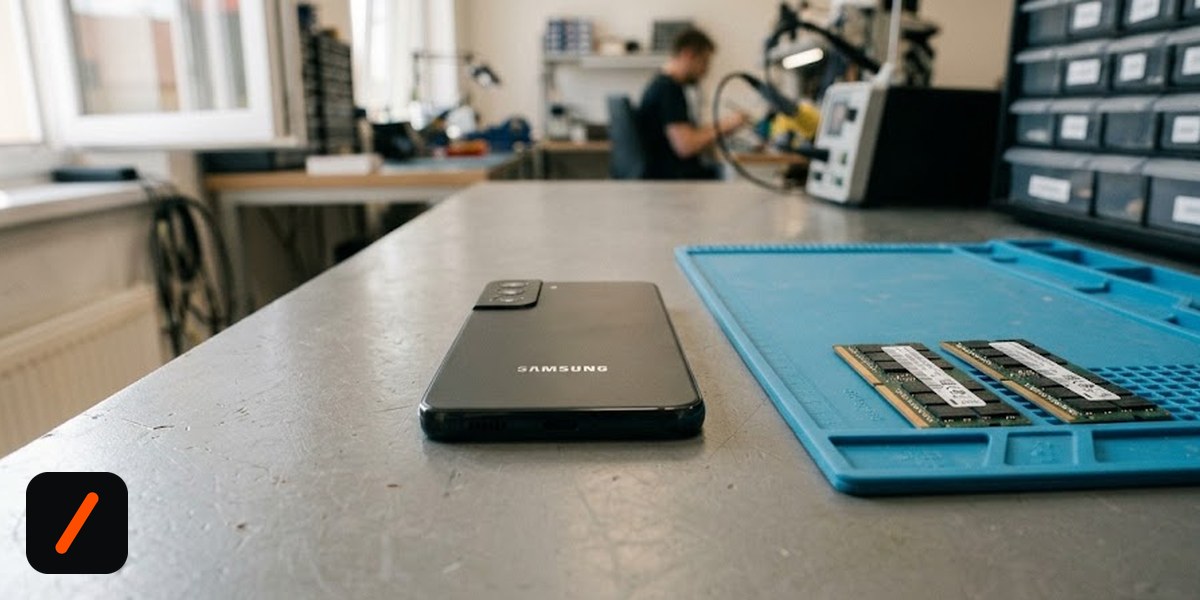
Samsung's phone arm posts its first ever operating loss
Samsung's MX mobile division posted an operating loss of about KRW 800 billion (roughly $544 million) in Q2 2026, its first ever, while the same company's memory business set records and group profit hit an all-time high of KRW 89.5 trillion. Soaring DRAM and NAND prices are the reason, and budget phones broke first.
 Hardware
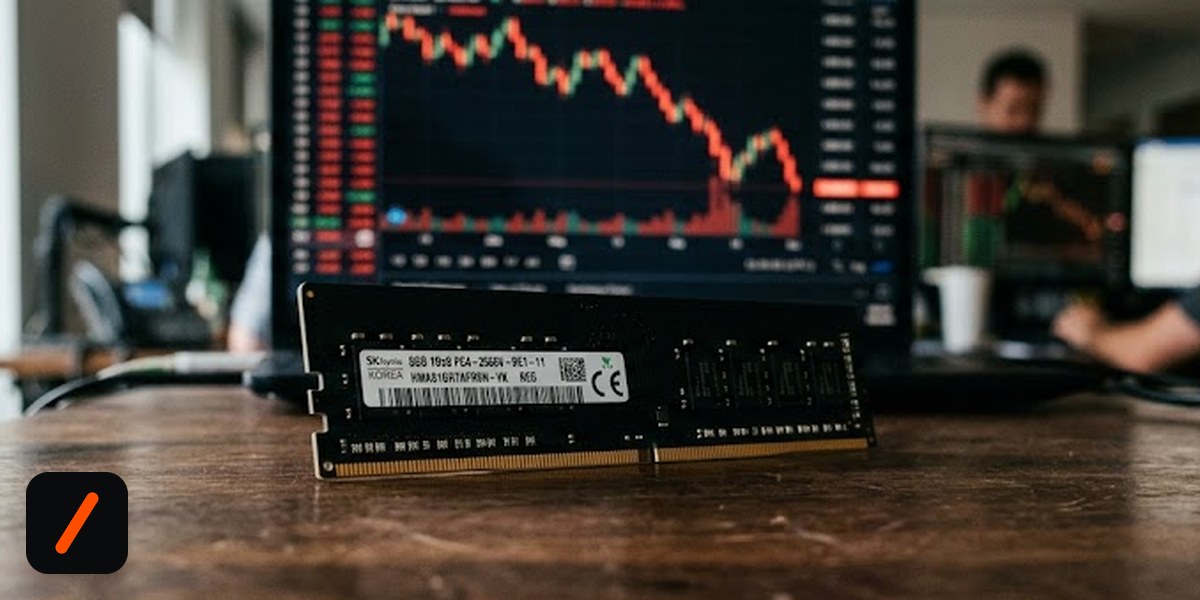
SK Hynix Set a Profit Record and the Kospi Crashed Anyway
SK hynix reported the best quarter in its history on Wednesday morning in Seoul, 79.3 trillion won of revenue at a 76% operating margin, and still landed about 5.7% below consensus. Korean chip stocks fell hard enough to halt the whole market for the second session in a row.
 Hardware
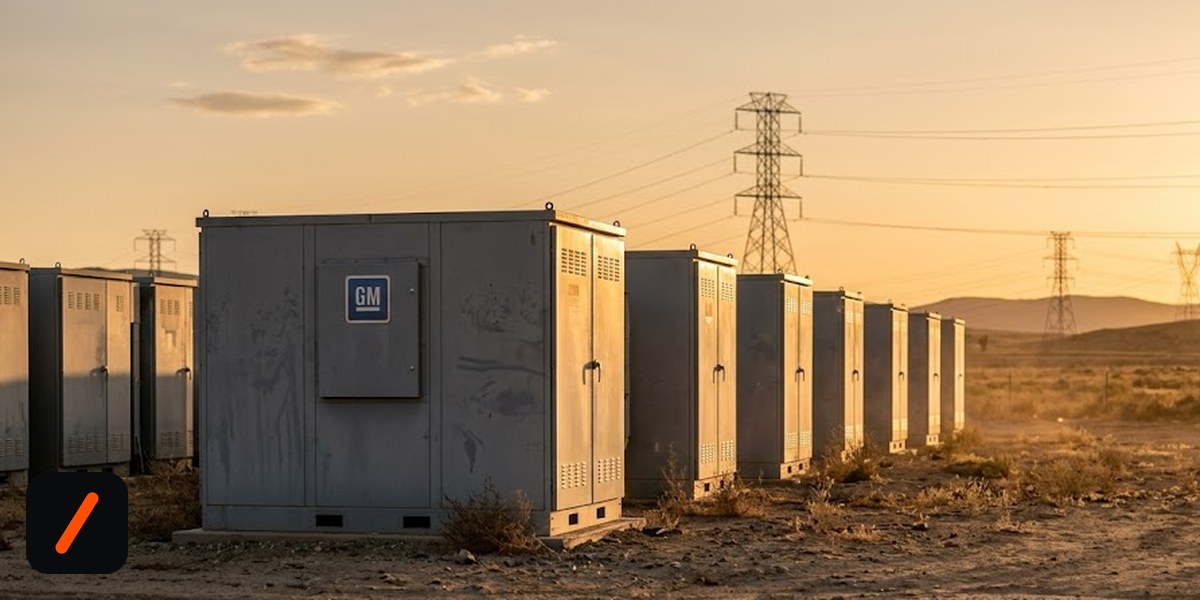
GM Backs Sodium-Ion for the Grid, Not for Its Cars
GM and Peak Energy are building a $71 million, 4 GWh sodium-ion factory near Sacramento for grid storage only. The cells lose to lithium iron phosphate on density and per-cell cost, but claim 20,000 cycles, 96% round-trip efficiency and no cooling loop at all.
 Hardware
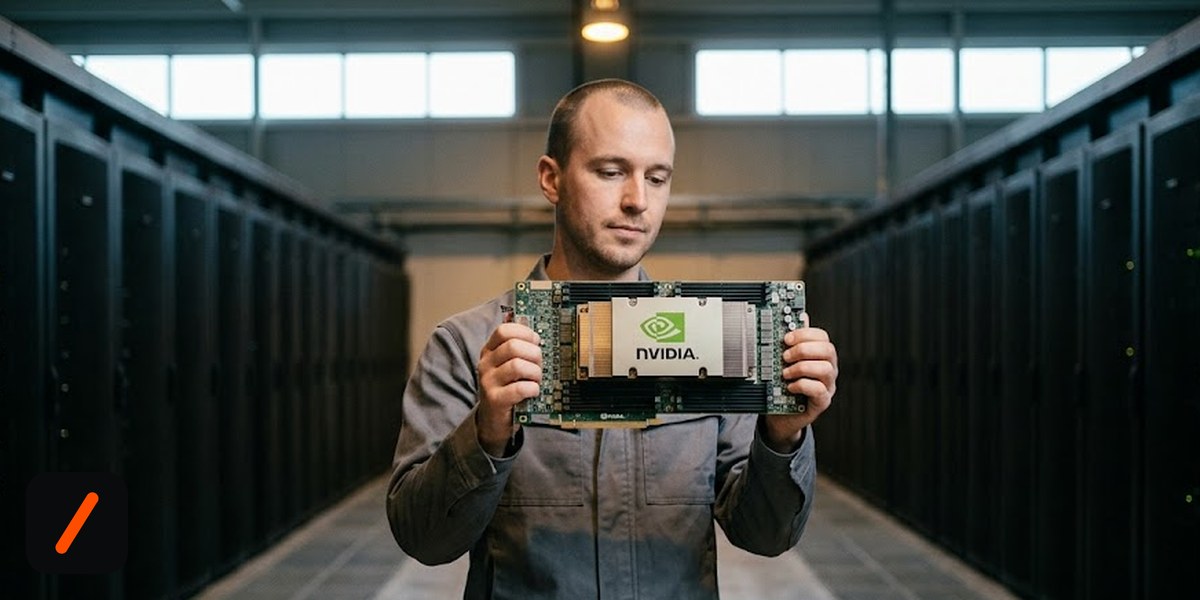
NVIDIA and SK Group Unveil $500B Korea AI Buildout
NVIDIA and SK Group announced a $500 billion-plus AI infrastructure initiative on July 24, 2026. Most of it bundles earlier commitments, but one number is new: SK Telecom will build a 2 gigawatt AI factory on Vera Rubin chips and HBM4 memory, with the first site due online in 2027.
 Hardware
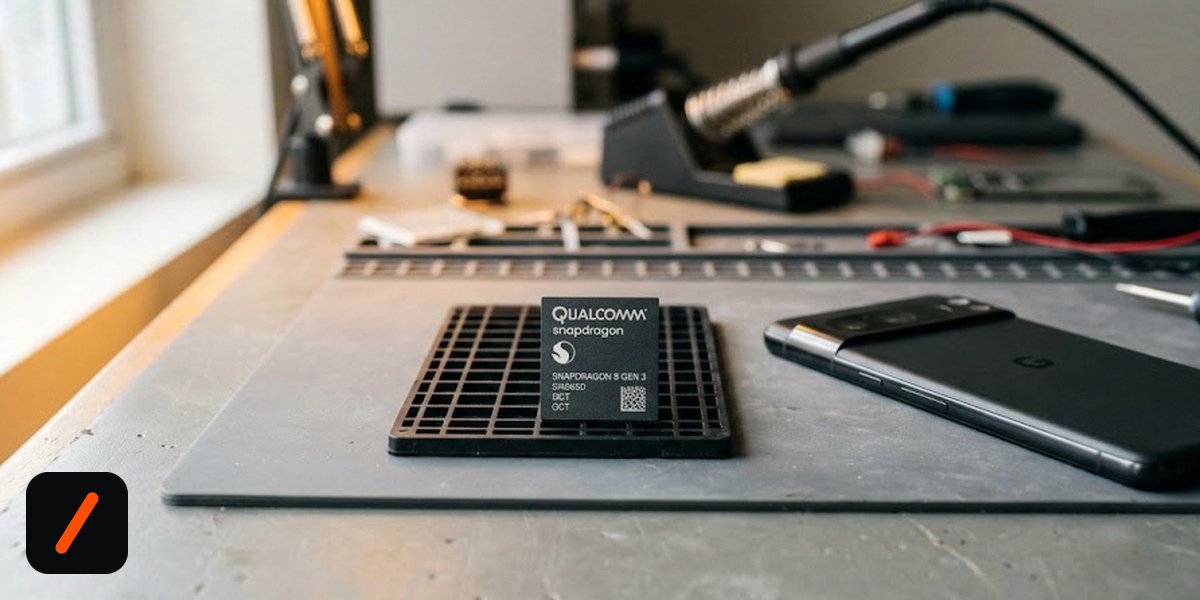
Qualcomm Hikes Chip Prices by Double Digits From September 1
Qualcomm told customers in a Friday letter that Snapdragon prices rise by a double-digit percentage for anything shipped after September 1, blaming supplier costs it can no longer absorb as AI data centers drain the memory market.
 Hardware
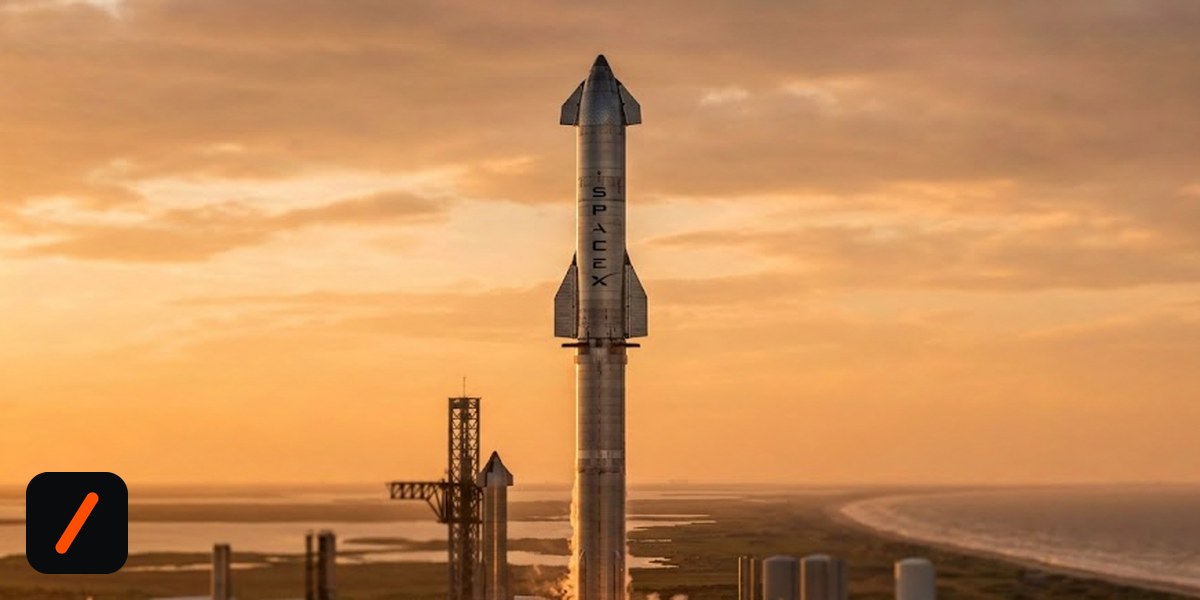
Starship Flight 13 Deploys First V3 Starlink Satellites
SpaceX flew Starship for the 13th time on Friday evening and, for the first time, released Starlink V3 satellites in space. The upper stage hit its main goals, deploying 20 test satellites and splashing down in the Indian Ocean, while the Super Heavy booster relit fewer engines than planned on its landing burn.
 Hardware
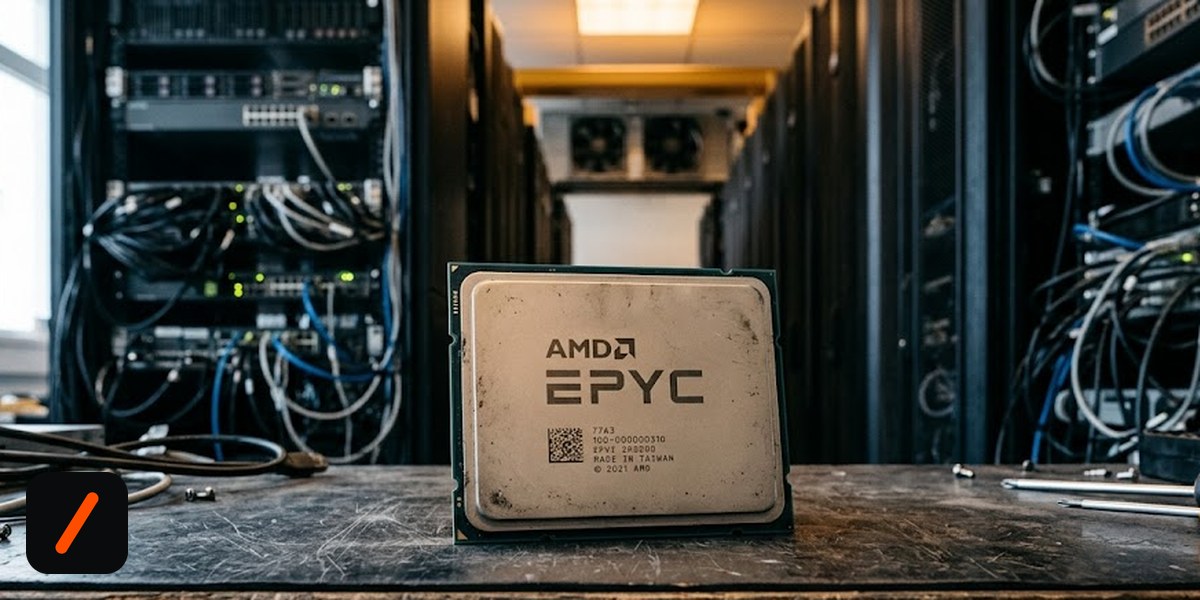
AMD Names Zen 7 and Zen 8, Locking Its Server Plan to 2030
AMD confirmed Zen 7 EPYC chips codenamed Florence, Ferrara and Fidenza for 2028 and a Zen 8 part called Ravenna for 2030, disclosed at Advancing AI 2026. Florence is the first AMD server chip publicly tied to ACE, the AI instruction set AMD and Intel specified together.
 Hardware
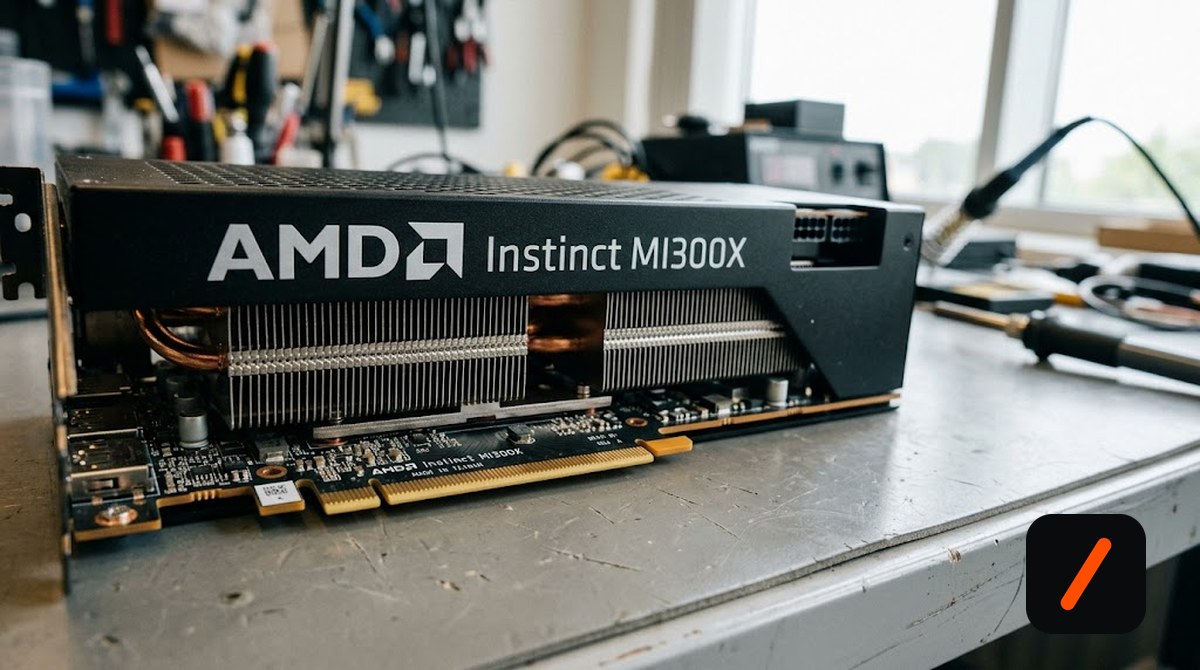
AMD Bets Up to $5B on Anthropic for 2GW of MI450 GPUs
AMD will make a strategic equity investment of up to $5 billion in Anthropic, and Anthropic will deploy up to 2 gigawatts of Instinct MI450 Series GPUs in AMD Helios racks starting in the first half of 2027. The structure is the news: with OpenAI, AMD gave the customer equity. Here AMD is buying it.
 Hardware
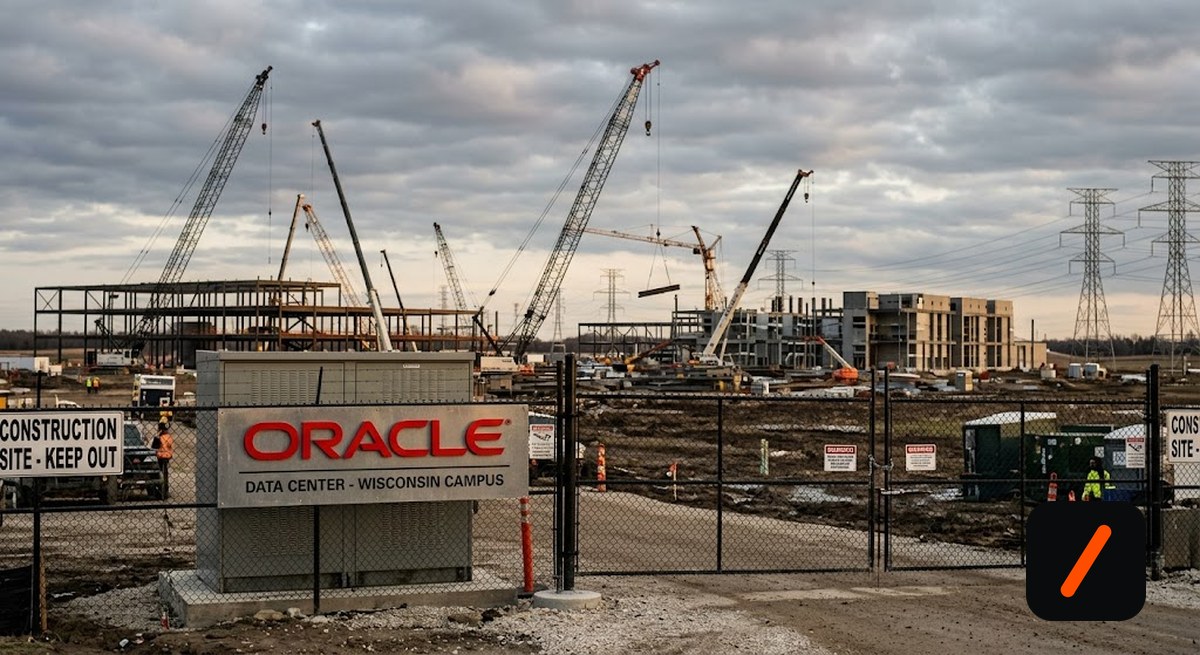
Oracle's Wisconsin AI Campus Now Needs $7B in Collateral
Wisconsin regulators confirmed on Monday they will not loosen the credit rules covering Oracle's Port Washington data center, leaving Oracle facing a collateral requirement it estimates above $7 billion and roughly $100 million a year to carry.
 Hardware
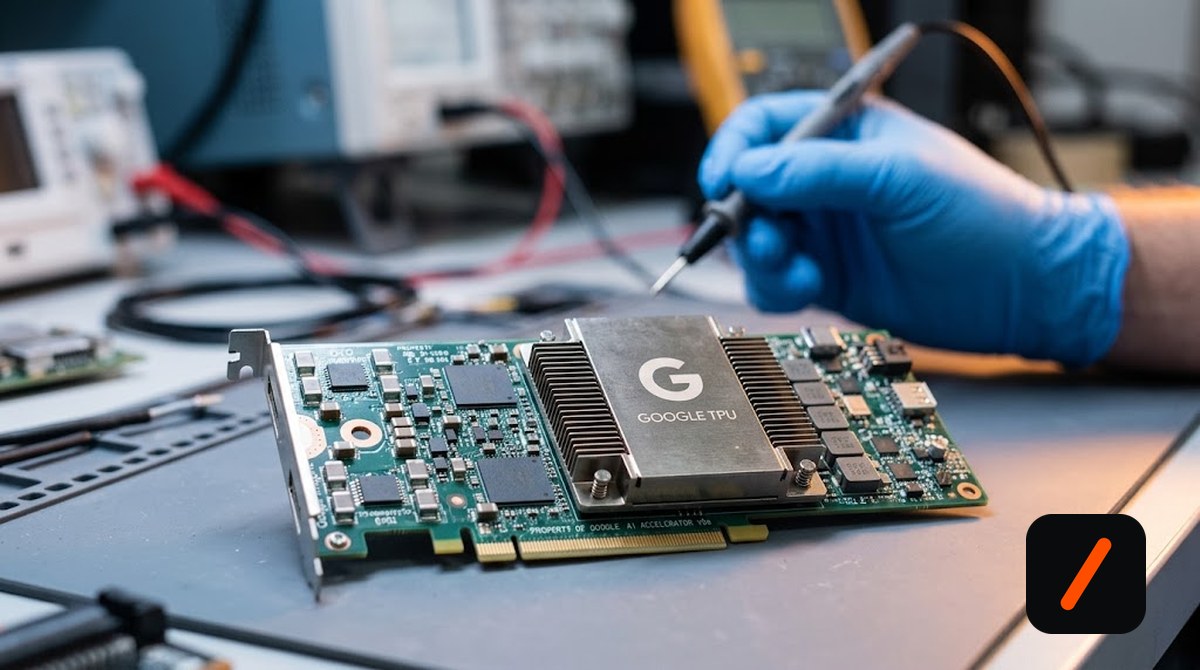
Google's Frozen v2 Chip Bakes Gemini Into the Silicon
Google is designing a custom server chip, reported on July 20 and known internally as Frozen v2, that bakes Gemini directly into silicon. It could be six to ten times more efficient than Google's current custom accelerators at serving AI tokens per watt, with deployment possible as soon as 2028.
 Hardware
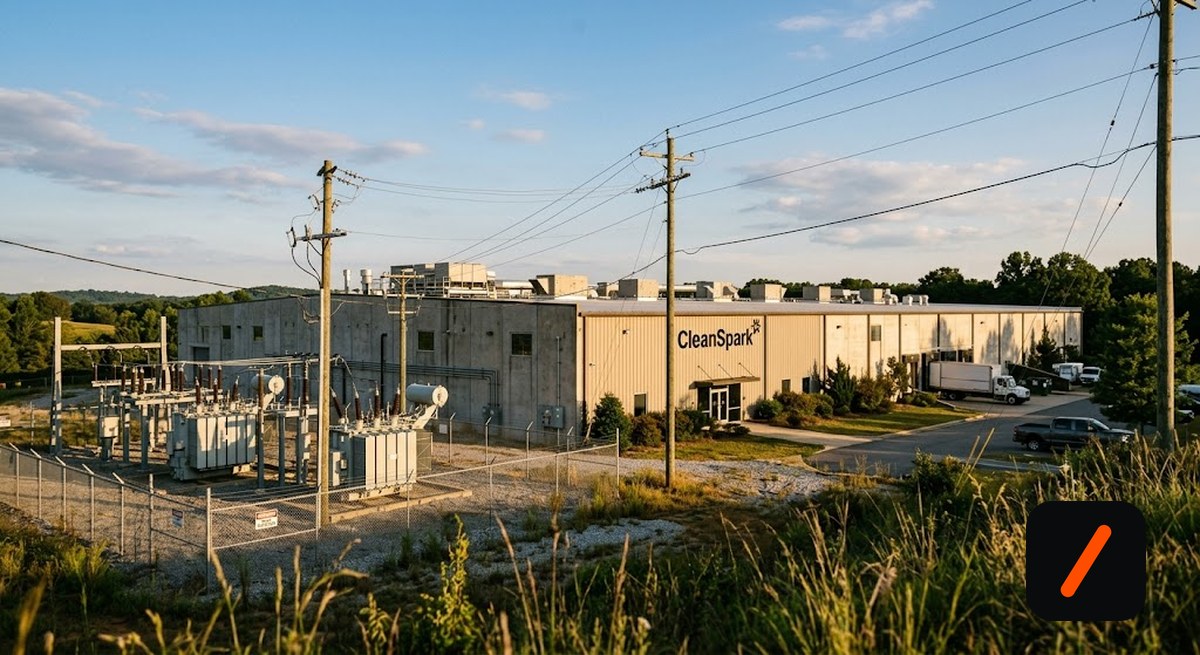
CleanSpark Trades Bitcoin Mining for a $6.6B Lease
CleanSpark signed a 20-year triple-net lease worth $6.6 billion in contracted revenue for 175 MW at its Sandersville, Georgia campus, converting a bitcoin mining site into AI data center capacity and turning a volatile miner into a contracted landlord.
 Hardware
Apple Briefly Passed Nvidia as Biggest Company
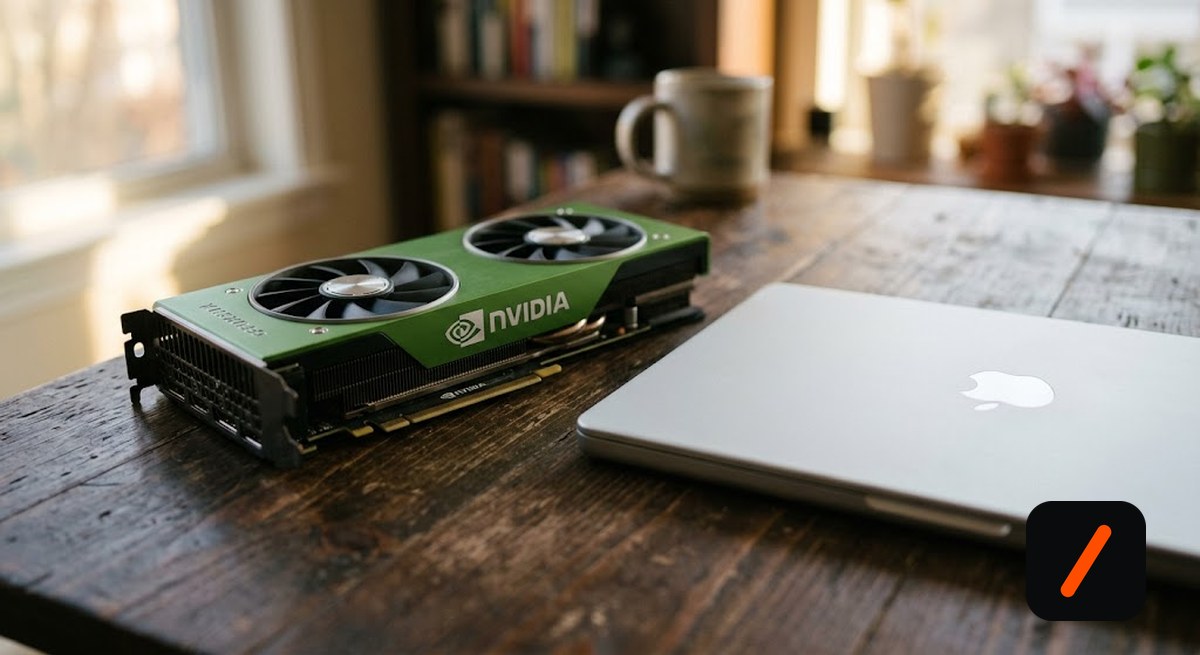
Apple briefly overtook Nvidia as the world's most valuable company on July 17, 2026 before Nvidia clawed the title back by the close. The crossover matters because it prices Apple's refusal to spend on AI infrastructure as discipline rather than weakness.
 Hardware
TSMC Adds $100B to Arizona as Capex Guidance Jumps
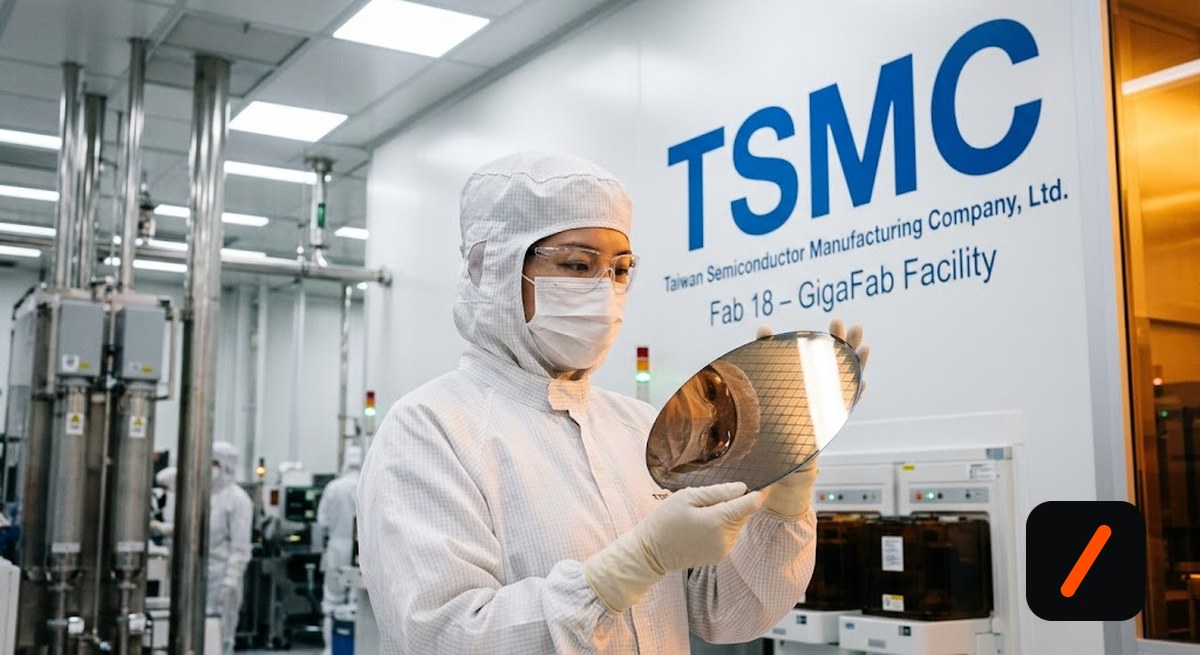
TSMC reported record Q2 net income of NT$706.56 billion, up 77.4% year over year, and CEO C.C. Wei committed another $100 billion to Arizona for at least four more 2nm-and-below fabs, lifting total US investment to $265 billion. The surprise was capex: 2026 guidance jumped to $60-64 billion from $52-56 billion.
 Hardware
ASML Raises 2026 Guidance Again as EUV Orders Surge
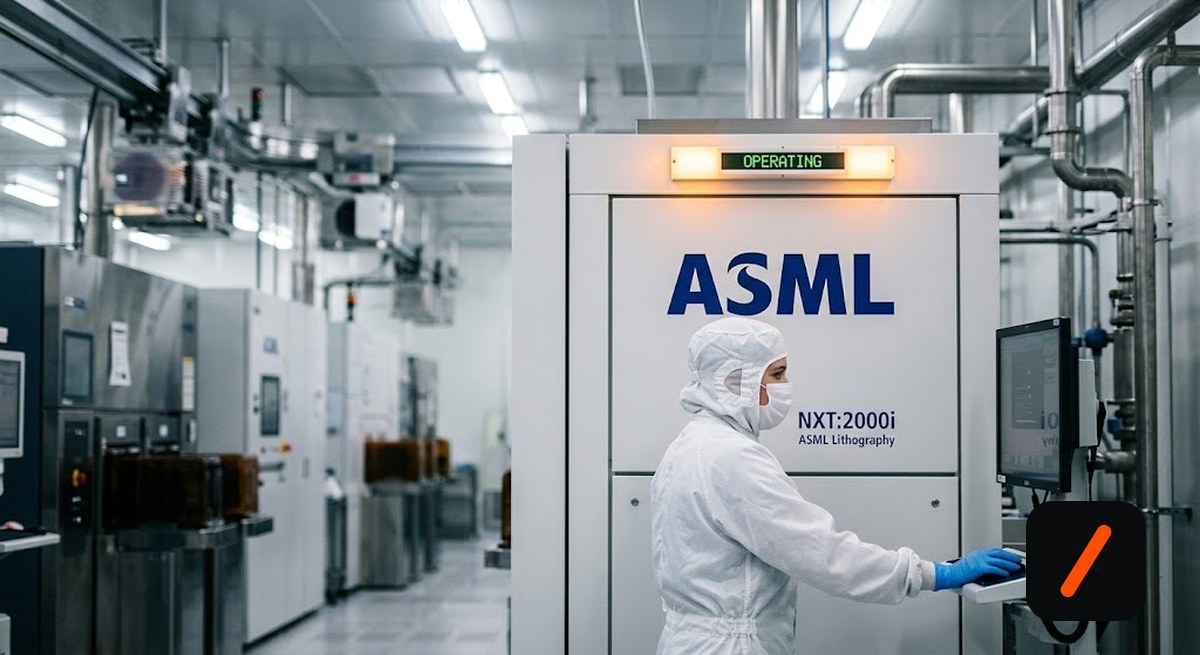
ASML posted Q2 net sales of 9.3 billion euros and raised full-year 2026 guidance to 43-45 billion euros, up from 36-40 billion, the second raise this year. It is also expanding 2027 EUV capacity by 30%, which is the number that actually matters.
 Hardware
Apple Commits $30B to Broadcom Custom Silicon to 2031
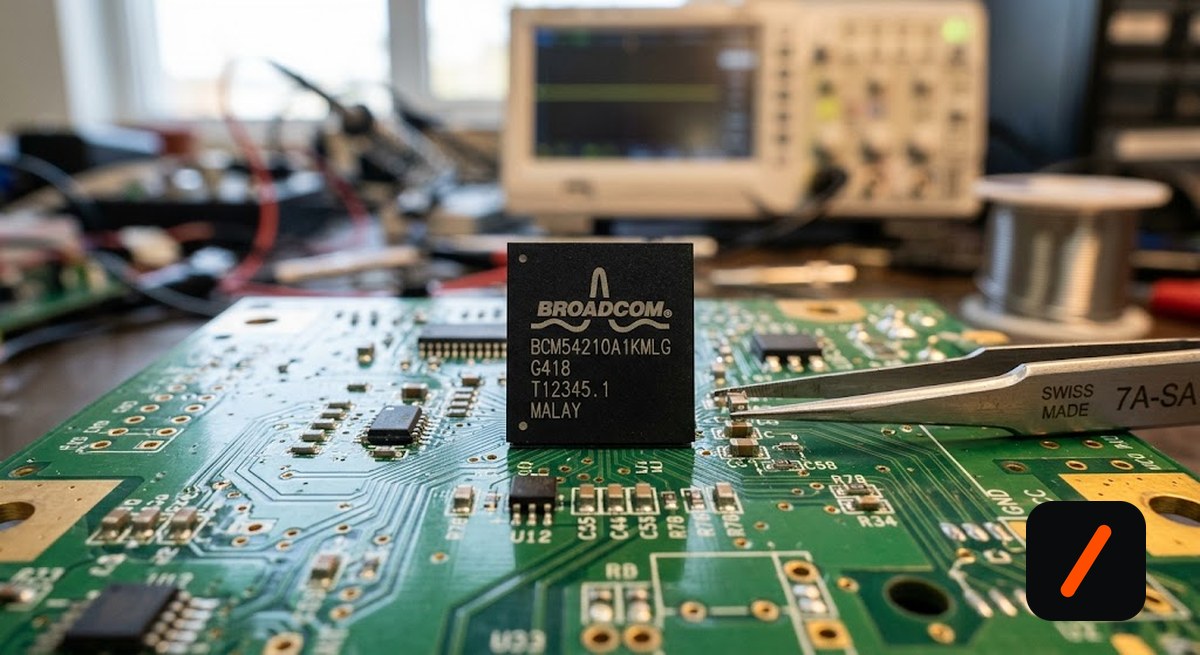
Apple committed more than $30 billion to Broadcom to co-design custom silicon and wireless connectivity chips through 2031, and Broadcom will spend $1.5 billion expanding its Fort Collins, Colorado plant to supply the RF and wireless parts Apple depends on.
 Hardware
AMD's Zen 6 EPYC 'Venice' Lands July 22 With 256 Cores
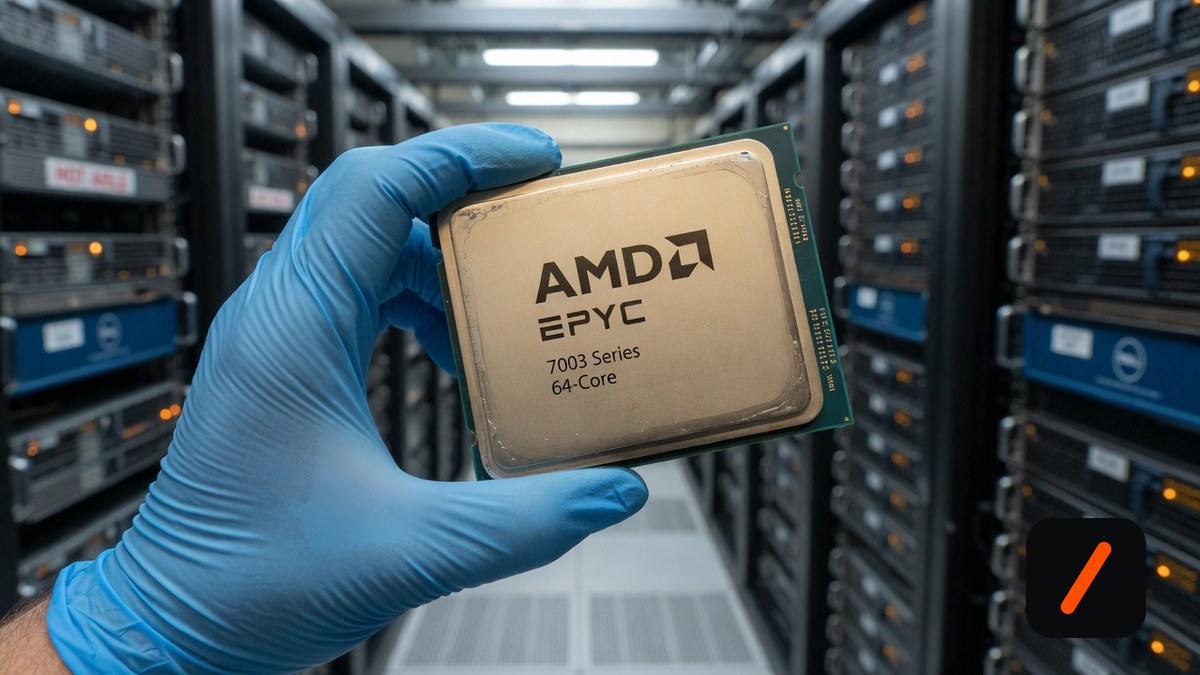
AMD confirmed its first Zen 6 chips, the EPYC 'Venice' server line, launch July 22 to 23 at Advancing AI 2026, topping out at 256 cores on TSMC's 2nm node with a new chiplet package, SP7 socket and 16-channel memory aimed at AI data centers.
 Hardware
NAVER, NVIDIA Build Gigawatt Sovereign AI in Korea
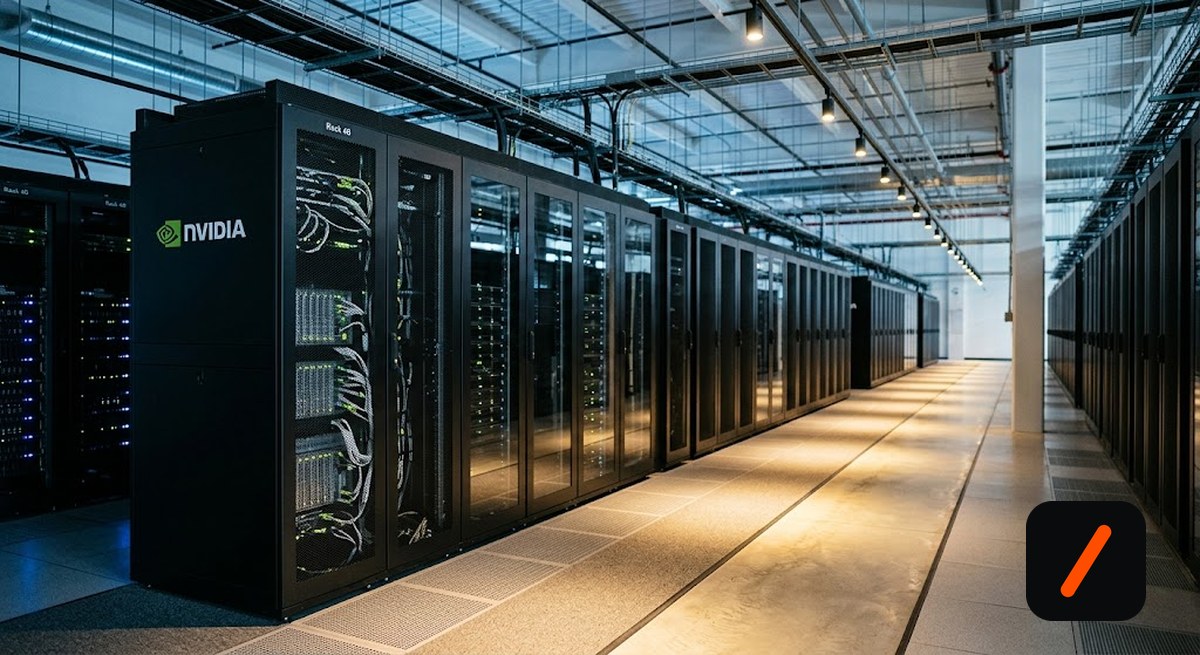
NAVER will expand its sovereign AI infrastructure on NVIDIA DSX, starting at 55 megawatts and scaling toward gigawatt capacity to power next-gen HyperCLOVA X models and a Korean AI agent platform.
 Hardware
New York Orders First US Data Center Moratorium
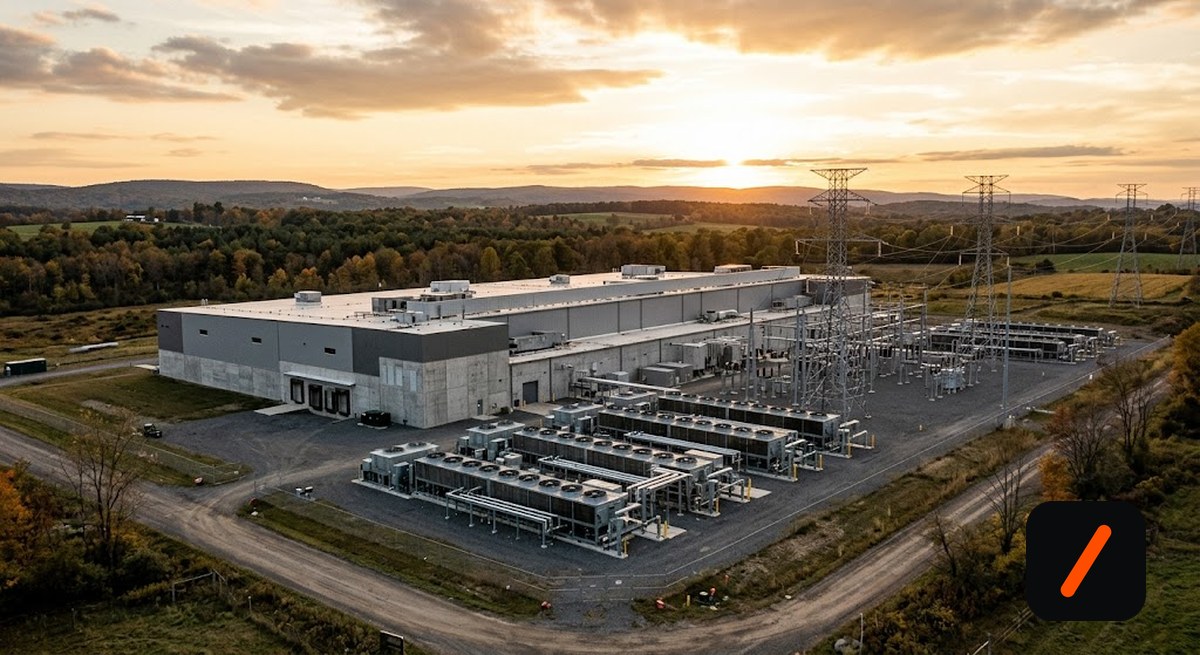
New York became the first state to freeze new AI data centers: Gov. Kathy Hochul signed an executive order on July 14, 2026 pausing environmental permits for facilities of 50 MW or more for up to a year while the state writes new energy, water, and cost rules.
 Hardware
SK Hynix HBM4 Warning Triggers Record Memory-Stock Selloff
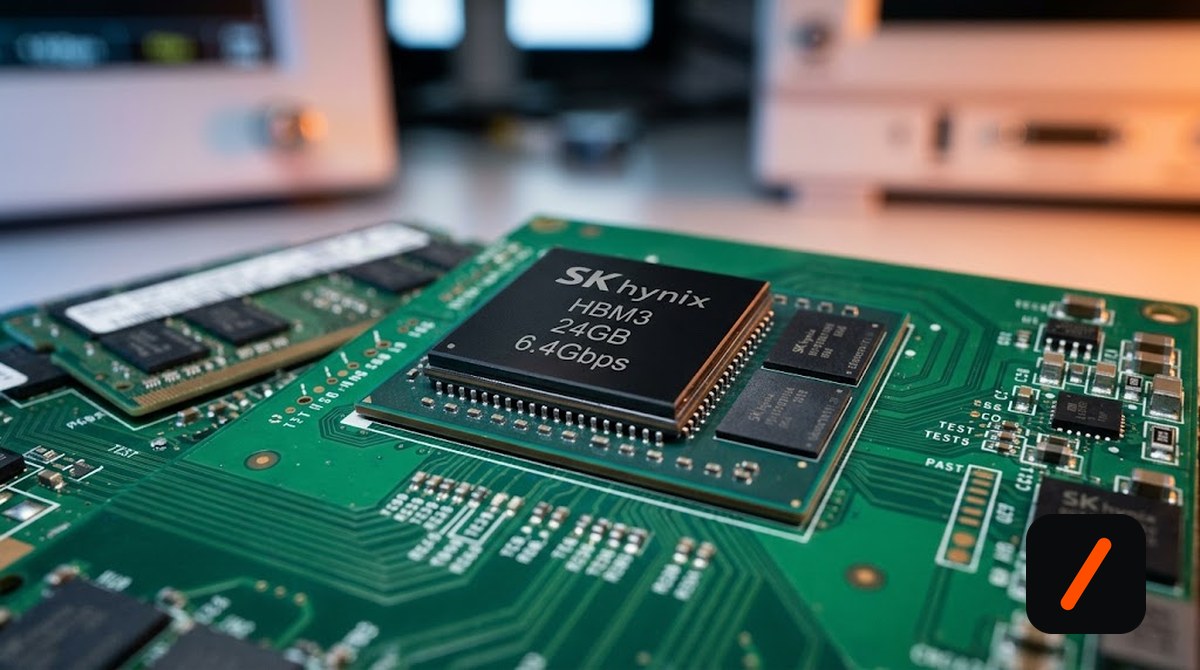
A brokerage note pegging SK Hynix's Q2 profit 8% below consensus, citing slower HBM4 shipments, sent SK Hynix down 15% in its worst single-day drop ever and dragged Micron, SanDisk, and Western Digital down about 6% in sympathy on July 13, 2026.
 Hardware
SK hynix and NVIDIA Sign Multi-Year Deal for Vera Rubin Memory
SK hynix and NVIDIA have signed a multi-year partnership to co-develop memory for the Vera Rubin platform, Vera CPUs, RTX Spark, and Jetson Thor, locking in HBM supply for NVIDIA's next three GPU generations.
 Hardware
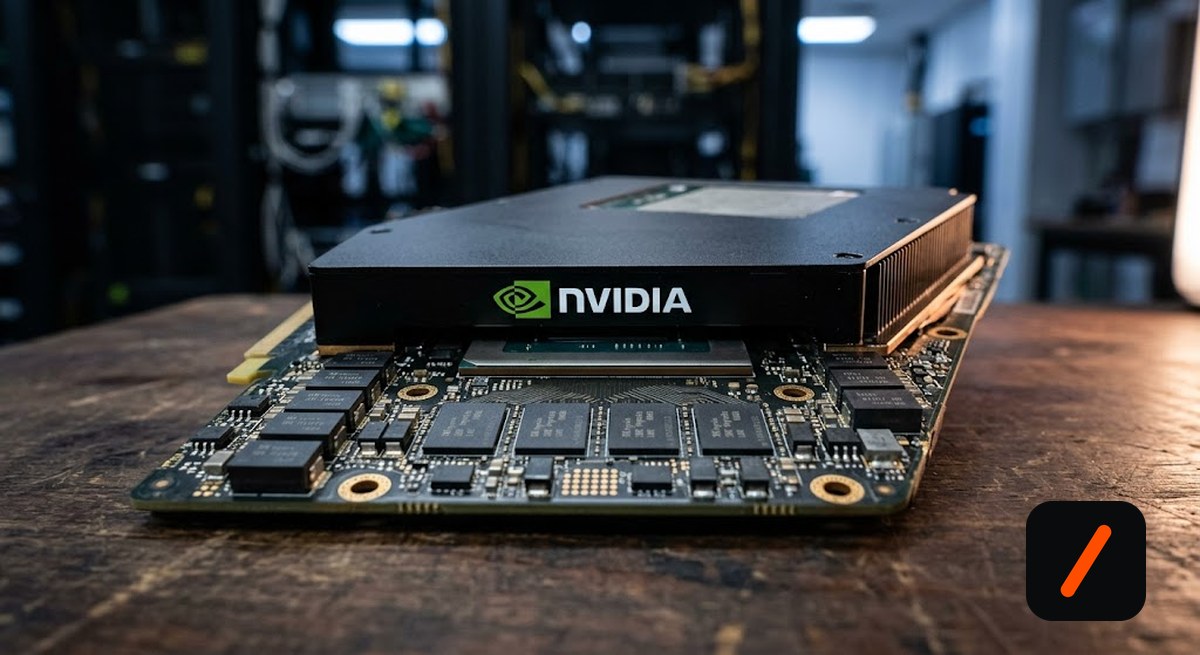
Nvidia's LPU Bets Inference Needs Its Own Silicon
Nvidia unveiled a Language Processing Unit, a chip class purpose-built for LLM inference rather than training, signaling that the company sees the money moving from building models to serving them and wants to own that layer before rivals like Groq and Cerebras do.